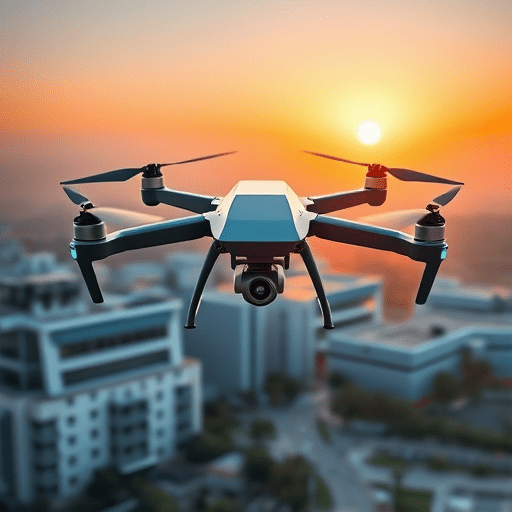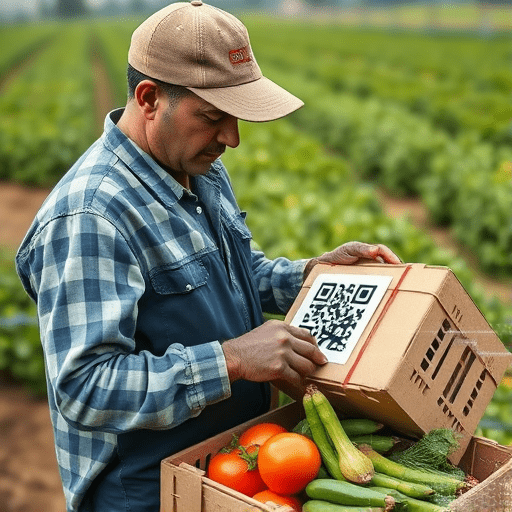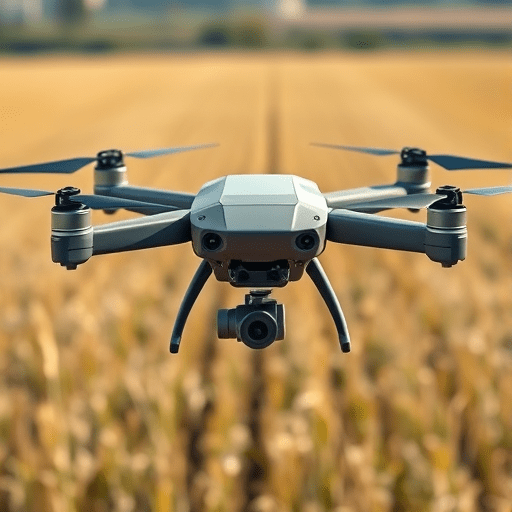
In 2026, the convergence of 5G, affordable drone platforms, and advanced AI is reshaping how packages reach the most remote corners of the globe. Deploy low‑cost 5G drones for last‑mile delivery is no longer a futuristic dream—it’s an actionable strategy that rural logistics operators can adopt today to cut costs, reduce delivery times, and improve service reliability. This guide walks you through the technology stack, regulatory landscape, and practical steps needed to launch a sustainable drone delivery program in rural settings.
Why Rural Logistics Still Struggles
Rural areas face a unique set of challenges: long distances between delivery hubs, sparse road networks, limited last‑mile infrastructure, and a higher per‑delivery cost due to low volume. Traditional ground vehicles often run on tight schedules, yet the network’s sparse nature forces them to cover large empty miles. Even with vehicle‑tracking and route optimization, the logistics cycle remains sluggish, and customers experience extended delivery windows.
Emerging delivery drones promise to cut the distance between a distribution center and the end‑customer to a fraction of a kilometer—often a direct line‑of‑sight flight that avoids congested roads entirely. However, until recently, the lack of reliable connectivity and the high price tag of commercial UAVs kept this solution out of reach for small operators.
How 5G Makes Drone Delivery Practical
5G’s ultra‑low latency (<10 ms) and high throughput (up to 10 Gbps) are critical for real‑time flight control, obstacle avoidance, and live video streaming—essential for autonomous drone navigation in rural landscapes where GPS signal quality can vary. The new Cell‑Edge architecture also ensures consistent coverage even in sparsely populated areas, thanks to lightweight, low‑power base stations that can be deployed on demand.
- Real‑time AI inference: 5G edge nodes can run object‑detection models directly on the network, allowing drones to identify drop zones and avoid obstacles without sending raw data back to a central server.
- Dynamic spectrum sharing: Rural networks can allocate dedicated bands for drone traffic, minimizing interference with existing broadband services.
- Massive Machine Type Communications (mMTC): Enables fleets of up to 500 drones to communicate simultaneously, simplifying fleet management.
Low‑Cost Drone Platforms: What “Affordable” Means in 2026
The cost of drone platforms has dropped dramatically due to mass production and open‑source hardware. In 2026, a single 5G‑enabled delivery drone can be purchased for under $4,000, a fraction of the $15,000–$25,000 price tag seen a decade ago. Key contributors to this cost reduction include:
- Standardized airframe designs that use 3D‑printed carbon‑fiber composites.
- Modular electronics suites that allow operators to swap out sensors or communication modules as needed.
- Recycled battery packs that extend flight time while keeping replacement costs low.
For rural operators, the ability to buy or lease fleets in increments of 10–20 units offers a scalable path to pilot programs without massive upfront capital.
Building a 5G‑Drone Delivery Ecosystem
Deploying drones is more than buying hardware; it’s about creating a robust ecosystem that integrates flight control, logistics software, and regulatory compliance. Below is a practical roadmap.
1. Network Preparation
- Deploy micro‑cells at distribution centers and key waypoints.
- Partner with telecom operators to secure priority spectrum for drone traffic.
- Implement a Network Function Virtualization (NFV) layer that can dynamically allocate bandwidth to active drones.
2. Drone Fleet Configuration
- Choose a platform that supports dual‑mode communication (5G + LoRa) for redundancy.
- Integrate terrain‑aware navigation modules that leverage local GIS data.
- Equip drones with thermal imaging for night operations and light‑weight lidar for obstacle avoidance.
3. Logistics Software Integration
Use a Unified Delivery Management System that can ingest real‑time drone telemetry, predict battery health, and schedule returns. APIs should allow existing warehouse management systems (WMS) to push orders directly into the drone fleet scheduler.
4. Regulatory Alignment
- Obtain Special Use Airspace permissions for rural routes.
- Implement Automatic Dependent Surveillance–Broadcast (ADS‑B) for situational awareness.
- Adhere to Drone Operation Safety Standards (DOSS) 2026, which mandate fail‑safe landing procedures.
Case Study: Green Valley Logistics
Green Valley, a 12‑mile rural community in the Midwest, launched a pilot program in early 2025. Using a fleet of 15 5G drones, the company achieved:
- Average delivery time: 30 minutes (down from 3 hours).
- Operational cost per package: 40% lower than the previous ground‑vehicle model.
- Customer satisfaction: 92% positive feedback within the first quarter.
The key to their success was a hybrid coverage model that combined low‑power 5G micro‑cells with LoRa backhaul, ensuring continuous connectivity even during bad weather.
Cost–Benefit Analysis for Rural Operators
While the upfront investment in hardware and network infrastructure can be substantial, the long‑term ROI becomes evident when considering:
- Reduced fuel and maintenance costs: Drones consume 70% less energy per mile than delivery vans.
- Increased delivery capacity: A single drone can execute up to 12 deliveries per day, versus 3–4 for a vehicle.
- Environmental impact: Zero emissions and reduced road congestion translate to higher carbon‑neutral ratings.
- Insurance savings: Lower liability exposure compared to human‑driven vehicles.
Financing options, such as leasing fleets or cloud‑based subscription models for 5G connectivity, further lower the barrier to entry.
Scalable Implementation Steps
- Feasibility Study: Conduct a geographic and traffic analysis to identify optimal drop zones.
- Pilot Deployment: Start with a single route and 5 drones, iterating on flight paths and load limits.
- Network Scaling: Gradually add micro‑cells as the fleet expands.
- Full Roll‑out: Deploy the full fleet, integrate with existing WMS, and open new service areas.
- Continuous Optimization: Use AI analytics to refine battery usage, maintenance schedules, and route efficiency.
Future Outlook: Beyond 2026
Looking ahead, the next wave of innovations will further reduce costs and increase reliability:
- Solid‑state batteries: Expect flight times to double by 2028.
- Swarm intelligence: Drones coordinating in real time to optimize coverage.
- Integrated logistics ecosystems: Seamless handoffs between autonomous vehicles, drones, and human couriers.
- AI‑driven regulatory compliance: Automated airspace clearance systems that adjust flight plans on the fly.
These developments will cement 5G drones as the backbone of rural logistics, turning isolated communities into well‑connected nodes in the global supply chain.
Deploying low‑cost 5G drones for last‑mile delivery is a strategic investment that transforms rural logistics, delivering faster, cheaper, and greener service to customers who have long been underserved by traditional delivery models.