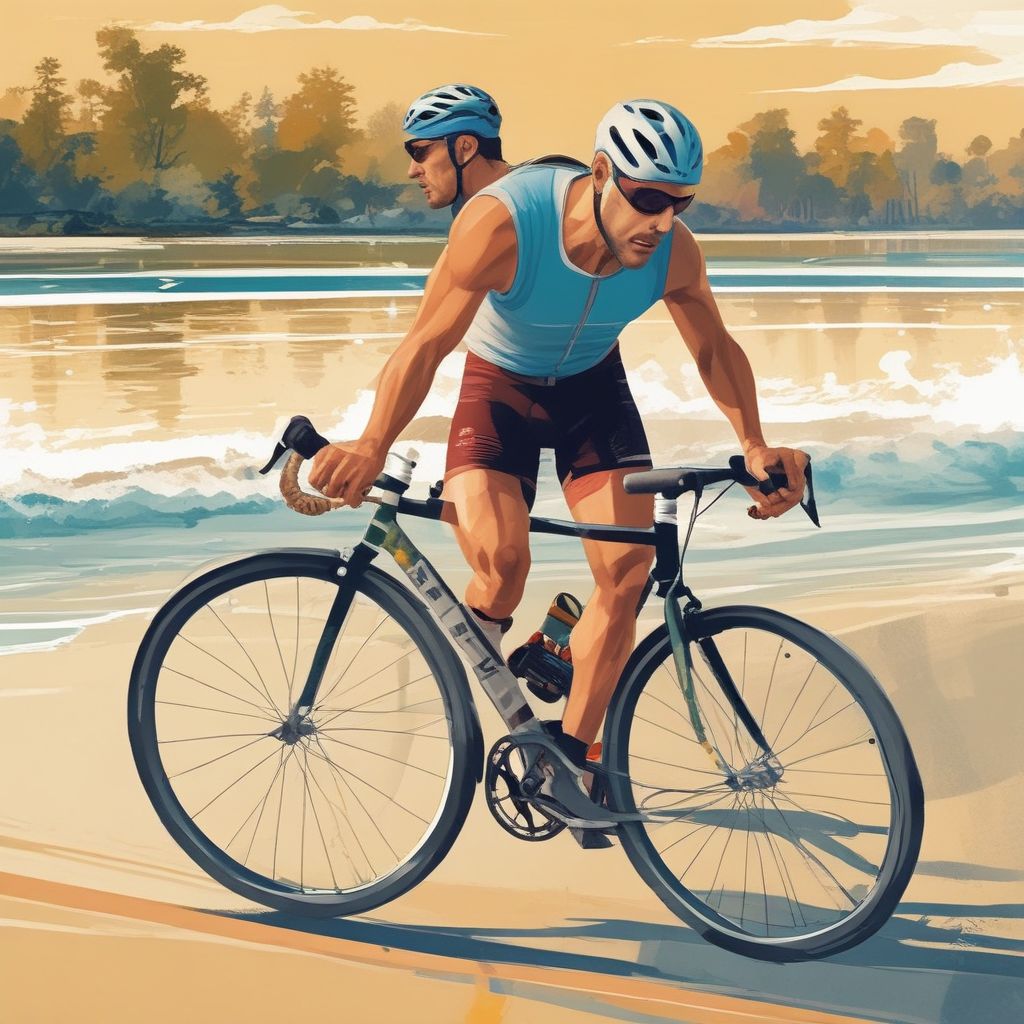
The rise of cycling–swimming hybrid training is reshaping how endurance athletes prepare for open-water events; by translating measured road power and structured cycling sessions into swim-specific strength, pacing, and resilience, athletes are shaving minutes off race times while avoiding overuse injuries. In this article, learn why coaches are swapping workouts across disciplines, how emerging programs structure the blend, and which pieces of tech make the transfer from pedals to paddles reliable and repeatable.
Why Combine Cycling and Swimming?
At first glance cycling and swimming seem worlds apart: one is weight-bearing and joint-friendly, the other is buoyant and upper-body dominant. But they share critical endurance principles—sustained power output, efficient energy systems, and race pacing—that make a hybrid approach powerful.
- Complementary physiology: Cycling builds leg strength, cardiovascular capacity, and lactate tolerance with low-impact stress on joints—benefits that transfer to sustained swim kick and better posture in the water.
- Injury prevention: Rotating heavy swim weeks with harder cycling blocks reduces repetitive shoulder stress and keeps overall training volume high without breaking recovery rules.
- Pacing and mental endurance: Learning to hold power targets on the bike helps swimmers internalize pacing cues for long open-water efforts.
Emerging Programs: How Coaches Are Structuring Hybrid Blocks
Innovative coaches are designing mesocycles that intentionally swap sessions between the bike and pool, targeting shared physiological adaptations but with sport-specific stimulus each day.
Example mesocycle structure (4 weeks)
- Week 1 — Aerobic base emphasis: 3 swim endurance sessions + 3 steady-state rides
- Week 2 — Threshold development: 2 swims with tempo sets + 2 tempo rides (FTP intervals)
- Week 3 — VO2 & strength: 2 high-intensity bike intervals + 2 swims focusing on sprint repeats and resisted sets
- Week 4 — Recovery and race prep: reduced volume, open-water skills practice, brick sessions with light bike + short swim
These blocks prioritize cross-adaptation: cycling creates a sustainable power baseline while swim sessions convert that engine into shoulder-endurance and efficient stroke mechanics.
Swapped Workouts That Translate Power to Speed
Swapping workouts doesn’t mean copying workouts verbatim from one sport to the other; it means borrowing targets, structure, and intent.
- FTP to Threshold Pace: Use cycling Functional Threshold Power (FTP) tests to estimate sustainable effort zones and translate them into perceived effort bands for long swim sets (e.g., “zone 3 bike effort ≈ controlled threshold swim pace”).
- Interval Templates: Take a 4×8-minute threshold bike set and adapt it to 4×8-minute swim sets with controlled rest, mirroring intensity and metabolic stimulus.
- Strength Transfer: Replace heavy seated hill repeats with resisted swim sets (parachute, drag suit, paddles) to create similar eccentric and concentric load on the musculature responsible for propulsion.
Tech That Makes the Transfer Measurable
Technology is the bridge enabling precise translation of cycling power into swim performance, and recent tools are designed specifically for cross-discipline insights.
Power meters and analytics
Bike power meters give objective output; tracking FTP changes across a block shows how aerobic capacity is improving. When paired with a swim power meter (worn on the forearm or attached to a pull buoy), coaches can compare the athlete’s sustainable power curves and calibrate swim efforts using the same principles used on the bike.
Wearables and open-water GPS
GPS watches with swim-mode, stroke-rate sensors, and HRV tracking capture pacing, sighting efficiency, and fatigue markers during open-water sessions. Comparing bike-normalized power zones with swim stroke-rate/power zones helps define race-pace prescriptions.
Data platforms and translation tools
Modern platforms ingest bike and swim files, allowing coaches to overlay intervals, map perceived exertion to power, and spot mismatches (e.g., high leg power but low swim drive) so sessions can be adjusted.
Sample Weekly Plan: Beginner-Intermediate Hybrid Athlete
- Monday: Recovery ride 60 min (zone 1) + mobility
- Tuesday: Swim endurance 4x800m alternating steady/tempo (focus on technique)
- Wednesday: Threshold bike 5×6 min at 95–105% FTP, 4 min recovery
- Thursday: Swim strength 10x100m with drag suit or paddles, 20–30s rest
- Friday: Easy ride 45–60 min + strength session (core and shoulder stability)
- Saturday: Long ride with race-pace blocks; short open-water sighting set after
- Sunday: Long swim (45–60 min continuous or brick: 30min bike + 20min swim) focusing on pacing
Coaching Tips to Maximize Transfer
- Be specific with intent: Each session should list the physiological target (e.g., aerobic endurance, threshold, VO2) and how that target supports swim performance.
- Prioritize recovery: Alternate high-intensity days between disciplines when possible to avoid cumulative local fatigue that impairs technique.
- Use metrics thoughtfully: Don’t try to equate watts to strokes directly; use power and HR trends to guide session intensity while relying on stroke rate and swim splits to evaluate actual swim conversion.
- Practice race skills: Sighting, drafting, and mass-start handling need dedicated open-water time—these skills won’t transfer automatically from the bike.
Common Pitfalls and How to Avoid Them
A hybrid plan can go wrong if workload is increased too fast or if swim technique is neglected in favor of pure conditioning. Keep these guardrails in mind:
- Monitor shoulder pain and adjust intensity; swimmers often under-report progressive overload when adding land-based sessions.
- When adding heavy cycling, maintain at least two technical swim sessions weekly to preserve stroke efficiency.
- Use objective testing (FTP, 400m/1000m swim time trials) every 4–6 weeks to validate transfer and recalibrate zones.
Case Study Snapshot
A regional open-water swimmer added a 6-week cycling block focused on threshold and tempo after plateauing in swim volume. With two swims per week maintained for technique and three structured bike sessions, the athlete reported improved pacing control, a stronger finish in 5K races, and a 3% faster 1500m time—demonstrating measurable cross-discipline gains when programming is deliberate.
Hybrid training from pedals to paddles is not a shortcut; it’s a complementary pathway to build a more robust, race-ready engine while safeguarding against injury. With clear intent, modest progression, and the right tech to measure transfer, endurance athletes can enjoy faster open-water speeds and greater resilience.
Conclusion: Cycling–swimming hybrid training offers a practical, data-driven way to convert road power into open-water speed—when structured thoughtfully, it improves endurance, reduces injury risk, and sharpens race execution. Ready to test a hybrid block? Try the sample week above as a starting point and track your progress with power and swim metrics.
Call to action: Subscribe for a free 4-week hybrid training template and a checklist to map your cycling FTP to sustainable swim efforts.