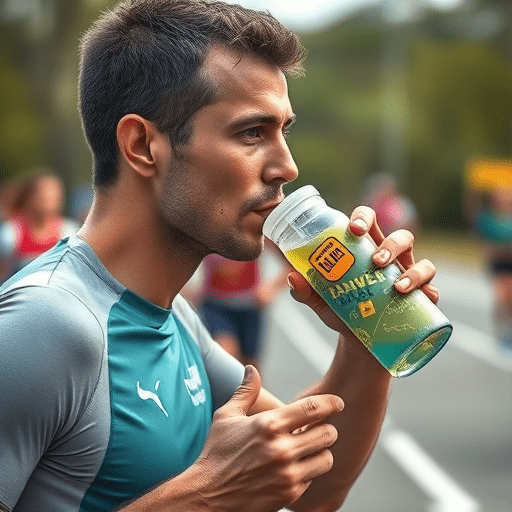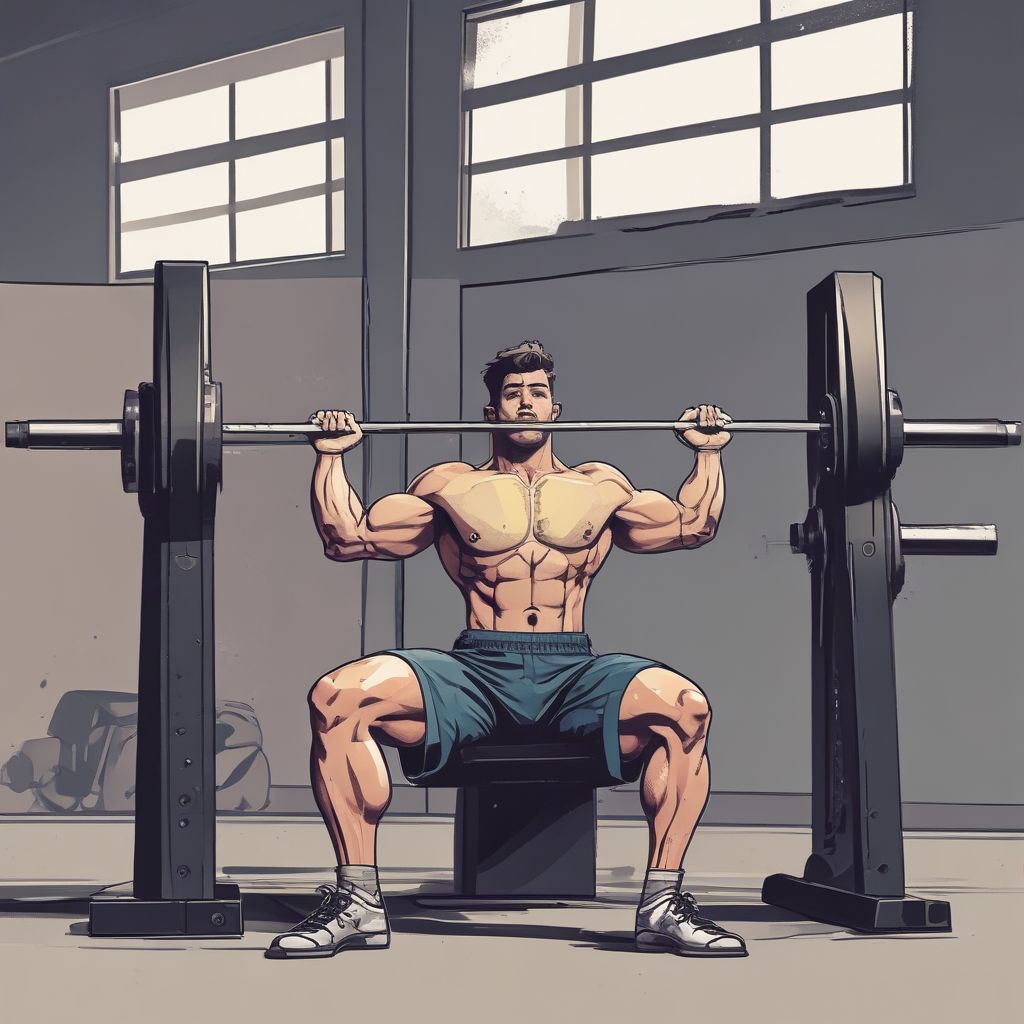
The term “Circadian Powerlifting” captures a practical, science-backed approach to scheduling heavy lifts around your body clock—aligning training with hormonal peaks, core temperature rhythms, and recovery windows to improve performance and reduce fatigue. Using circadian principles doesn’t require a complete overhaul of your program; it requires smart timing, small habit changes, and awareness of your chronotype to get better lifts and faster progress.
Why timing your heavy lifts matters
Human physiology follows predictable circadian rhythms—24-hour cycles that control hormones, body temperature, alertness, and muscle function. For most people, late afternoon to early evening is when core temperature and neuromuscular readiness peak, which often translates into higher strength, faster power output, and lower perceived exertion. Hormonal fluctuations matter too: testosterone and sympathetic drive favor performance later in the day for many athletes, while cortisol (a stress hormone) is highest in the early morning and can blunt maximal strength if not accounted for.
Key physiological drivers
- Core temperature: Warmer muscles generate force more efficiently—peak usually mid-to-late afternoon.
- Testosterone and growth signals: Tend to be higher later in the day for many individuals, supporting heavier lifts and better recovery.
- Cortisol: Highest in the morning—can increase perceived exertion and interfere with maximal strength if heavy sessions are scheduled too early without adaptation.
- Neural readiness: Central nervous system arousal often aligns with circadian patterns, making complex, high-force lifts feel smoother later in the day.
Science-backed scheduling strategies
Timing strategies should be individualized, but these evidence-aligned principles give a reliable starting point for most lifters.
1. Identify your chronotype
Are you naturally a morning person (lark) or an evening person (owl)? Your chronotype will shift the ideal window for heavy work. Morning types may tolerate and even excel with earlier heavy lifts, while evening types usually see better results in the afternoon or evening.
2. Prioritize compound heavy lifts in your peak window
- Place squats, deadlifts, and bench press in the 2–4 hour window around your individual peak (often 4–8pm for many people).
- If you can only train once per day, time that session to when you feel strongest rather than squeezing it into the morning based on convenience alone.
3. Use mornings for technique, mobility, and conditioning
If mornings are the only available time, structure them to favor low-volume technical work, speed pulls, mobility, and conditioning—saving maximal attempts for later in the day when possible.
4. Split heavy and volume sessions when necessary
Separating a heavy-meets-competition-style session (low reps, high load) into your peak window and placing accessory volume or hypertrophy work in a non-peak window reduces CNS fatigue and improves quality of heavy attempts.
5. Fine-tune with sleep, caffeine, and naps
- Sleep: Prioritize consistent sleep timing—circadian alignment is undermined by irregular sleep schedules.
- Caffeine timing: Use caffeine 30–60 minutes before a heavy session to boost arousal, but avoid late-evening intake that disrupts sleep.
- Naps: A 20–40 minute nap in the early afternoon can meaningfully restore CNS readiness for an evening heavy session.
Sample schedules
Below are three practical templates. Adjust times for your chronotype and constraints.
Most people (afternoon/evening peak)
- 09:00 — Wake, protein-rich breakfast
- 12:30 — Light mobility/activation
- 14:00 — Short nap or caffeine if needed
- 17:00 — Heavy compound session (focus on 1–5RM work)
- 19:00 — Protein + carbs for recovery
Morning chronotype
- 06:30 — Heavy session (if true early peak)
- 08:30 — Protein + light carbs
- 12:00 — Volume or accessory work (moderate intensity)
- 22:30 — Early bedtime to maintain rhythm
Time-constrained lifter (single session)
- Choose the one window each day when you feel strongest and commit to that time consistently—consistency beats perfect timing.
Practical tips for implementing Circadian Powerlifting
- Track perceived strength across the day for 2–4 weeks to identify your natural peak.
- Make transitions small—shift your heavy sessions gradually by 30–60 minutes rather than overnight.
- Control light exposure: get bright light in the morning to anchor your rhythm, and dim lights at night to help sleep hormone melatonin rise.
- Fuel smartly: a mixed meal 2–3 hours before heavy work, plus a 20–30g protein focus after training to support recovery.
- Prioritize sleep hygiene: consistent bed and wake times amplify the benefits of timing your training.
Common mistakes to avoid
- Assuming one-size-fits-all—trust objective feedback (lift numbers, bar speed, RPE) over anecdote.
- Switching training times too often—frequent changes disrupt circadian adaptation and blunt performance gains.
- Ignoring recovery—timing helps, but training load, nutrition, and sleep still drive progress.
Real-world benefits and expectations
Adopting Circadian Powerlifting often yields modest but meaningful improvements: higher daily maxes, fewer missed lifts, reduced perceived fatigue, and better training consistency. These gains compound: cleaner heavy attempts increase confidence and allow for more productive overload across weeks and months.
Remember that timing is a multiplier—it’s most effective when paired with sound programming, gradual overload, and consistent recovery practices. The goal is to tilt the odds in favor of higher-quality training sessions, not to fix deep programmatic problems with timing alone.
Conclusion: Circadian Powerlifting offers a practical, science-aligned way to schedule heavy lifts so that hormonal peaks, body temperature, and neural readiness work for you instead of against you—leading to better lifts, less fatigue, and faster progress when applied consistently.
Ready to try timing your next training block? Start tracking your peak times this week and rearrange one heavy session to your best window—small shifts can unlock big gains.