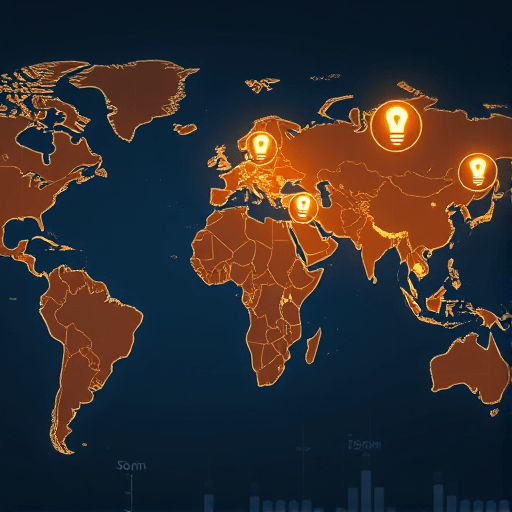
In 2026, the global SaaS landscape is shifting toward dynamic emerging economies where rapid digital adoption meets cost‑effective talent pools. Choosing an emerging market for your SaaS startup in 2026 requires a disciplined approach that balances market potential with regulatory realities and risk exposure. This guide walks you through a practical, step‑by‑step framework—market selection criteria, regulatory checklists, and risk‑mitigation tactics—to help your startup launch smoothly and scale fast.
1. Market Selection Criteria
Before you even draft a pitch deck, assess the target market through a multi‑layered lens. Each layer should be quantified, so you can compare countries side‑by‑side.
A. Digital Infrastructure & Connectivity
- Internet Penetration: Look for countries with >70% broadband access, but pay attention to mobile‑first ecosystems where 4G/5G coverage is expanding.
- Data Center Presence: Proximity to local data centers reduces latency and can simplify compliance with data residency laws.
- Power Reliability: Consistent electricity supply is critical for SaaS uptime.
B. Market Size & Growth Trajectory
- GDP per Capita: Medium to high GDP per capita (>$4,000) often correlates with higher SaaS spend.
- Startup Ecosystem: The number of SaaS startups, venture capital activity, and incubator presence signal market maturity.
- Sector Alignment: Align your SaaS vertical (e.g., fintech, healthtech, education) with local industry trends.
C. Competitive Landscape
- Local Competition: Evaluate existing domestic SaaS solutions and their feature gaps.
- Global Entrants: Identify whether large incumbents have already secured significant market share.
- Pricing Sensitivity: Emerging markets often favor subscription models with flexible pricing tiers.
D. Talent & Cost Considerations
- Tech Talent Pool: Look for countries with strong engineering universities or established tech hubs.
- Operating Costs: Local salaries, office space, and taxes impact your break‑even point.
- Remote Workforce Viability: Assess local labor laws to support a distributed team.
E. Political & Economic Stability
- Governance Index: Use Transparency International or World Bank governance indicators to gauge risk.
- Exchange Rate Volatility: Consider hedging options if the local currency is highly volatile.
- Infrastructure Projects: Government investment in digital infrastructure can boost adoption.
2. Regulatory Landscape Checklist
Regulatory compliance is a decisive factor that can make or break your launch. The following checklist covers the most common hurdles for SaaS companies in emerging markets.
A. Data Protection & Privacy
- Understand local data protection laws (e.g., Brazil’s LGPD, India’s PDP Bill, or South Africa’s POPIA).
- Determine whether data residency requirements mandate storing data onshore.
- Plan for consent mechanisms, data breach notification timelines, and user rights to access, correct, or delete data.
B. Localization & Language Requirements
- Mandated localization of user interfaces, documentation, and support.
- Compliance with local accessibility standards.
C. Taxation & Invoicing
- Identify applicable VAT, GST, or sales tax on digital services.
- Register for a local tax ID if required for invoicing customers.
- Explore double‑tax treaties to avoid double taxation.
D. Industry‑Specific Licenses
- For fintech SaaS, check licensing requirements from central banks or financial regulatory bodies.
- Healthcare SaaS may need approvals from medical boards or health ministries.
E. Intellectual Property Protection
- Register trademarks and software patents where feasible.
- Understand local enforcement mechanisms for IP infringement.
3. Risk‑Mitigation Tactics
Even with meticulous planning, uncertainties remain. Adopt these tactics to buffer your operations against unforeseen shocks.
A. Technical Redundancy
- Deploy multi‑region cloud hosting to avoid single points of failure.
- Implement automated failover and backup strategies.
B. Currency Hedging
- Use forward contracts or options to lock exchange rates for a defined period.
- Consider invoicing in a stable currency (USD, EUR) if local payment systems are limited.
C. Partner Ecosystems
- Collaborate with local system integrators or channel partners who understand the regulatory environment.
- Leverage local payment processors that support regional payment methods (e.g., Alipay, MercadoPago).
D. Regulatory Sandbox Participation
- Many governments offer sandboxes that allow fintech or healthtech SaaS to test services under relaxed regulatory constraints.
- Use sandbox periods to fine‑tune compliance before full launch.
E. Continuous Legal Advisory
- Maintain a retainer with a law firm that specializes in local digital law.
- Schedule quarterly reviews of regulatory changes to adjust policies promptly.
4. Execution Roadmap
Translate your research into a structured timeline that aligns product development, compliance, and market entry.
- Market Validation (Months 1‑2) – Conduct customer discovery interviews and competitive analysis.
- Regulatory Due Diligence (Months 3‑4) – File for necessary licenses, set up local legal entities, and finalize data residency solutions.
- Product Localization (Months 5‑6) – Translate UI, adapt pricing, and build local support channels.
- Beta Launch (Months 7‑8) – Release a limited beta to a curated customer segment; collect feedback and iterate.
- Full Rollout (Months 9‑12) – Scale marketing, onboarding, and customer success operations.
5. Case Study Snapshot: SaaS FinTech in Kenya
Kenya’s rapid mobile money adoption and supportive regulatory sandbox made it an ideal launchpad for a fintech SaaS focused on small‑business cash‑flow management. The startup used the Central Bank of Kenya’s Digital Payment Service Provider (DPSP) sandbox to validate compliance, partnered with a local fintech hub for customer acquisition, and leveraged the Safaricom API ecosystem for seamless payments. Within 18 months, the company captured 15% of the small‑business segment and secured a Series B round.
Conclusion
Choosing the right emerging market for your SaaS startup in 2026 is a blend of data‑driven analysis, regulatory diligence, and proactive risk management. By systematically evaluating infrastructure, market potential, competition, talent, and stability, then mapping those insights onto a rigorous compliance framework and a resilient execution plan, you position your startup for sustainable growth in some of the world’s most exciting digital frontiers.