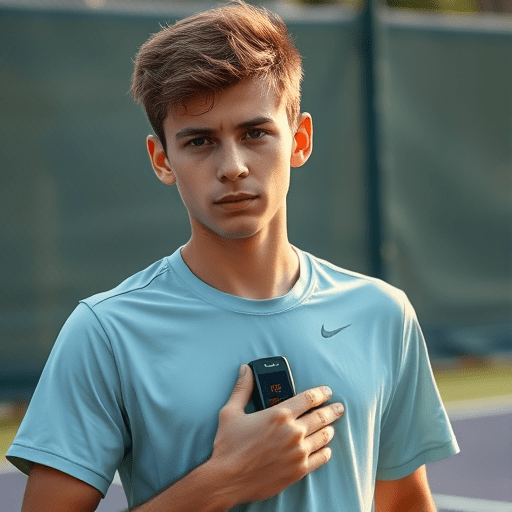
For junior tennis players, nerves can be as much of a hurdle as a powerful opponent. Even the most skilled young athletes often find their heart racing, breathing shallow, and focus slipping at the moment the ball comes down. Biofeedback, specifically heart rate variability (HRV) monitoring through wearable sensors, offers a scientifically backed method to tame those jitters. By tracking autonomic nervous system signals and training players to shift into a calm, ready state, biofeedback can significantly lower competition anxiety and improve on‑court performance. Below is a detailed, easy‑to‑implement routine that coaches, parents, and athletes can use to integrate HRV biofeedback into pre‑match preparation.
Why HRV Matters for Junior Tennis Performance
Heart rate variability is the natural fluctuation in time intervals between successive heartbeats. High HRV indicates a flexible, resilient autonomic nervous system—an essential trait for athletes who need to stay mentally sharp under pressure. Conversely, low HRV signals chronic stress, overtraining, or emotional overload. In tennis, where split‑second decision making and physical endurance are critical, a stable HRV profile can:
- Enhance focus and reaction time.
- Promote faster recovery between points.
- Reduce the likelihood of tense swings or overexertion.
- Support consistent breathing patterns that lower heart rate during high‑intensity play.
Research published in Sports Medicine (2023) found that junior players who practiced HRV biofeedback twice a week reported a 30 % decrease in perceived match anxiety and a 12 % increase in match win rates.
Choosing the Right Wearable HRV Sensor
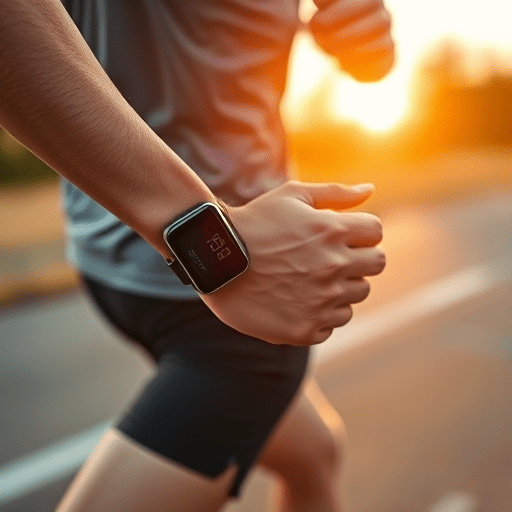
There are several consumer‑grade HRV wearables on the market, but not all deliver the accuracy or ease of use required for young athletes. Key features to look for include:
- High‑resolution photoplethysmography (PPG) sensor for accurate beat‑to‑beat detection.
- Wireless sync to a smartphone app that displays HRV trends in real time.
- Kid‑friendly straps or wristbands that stay secure during movement.
- Battery life that covers a full practice or match day.
- Data export options for coaches to track progress over weeks.
Popular models include the Garmin Vivosmart 4, the Whoop Strap 4.0, and the Elite HRV strap paired with the Elite HRV app. Coaches should pilot a few devices with a small group of players to identify which sensor balances comfort, data reliability, and cost.
Step‑by‑Step Pre‑Match Calming Drill
The following routine can be performed 15–20 minutes before a match and takes only a few minutes each day to master. The goal is to train the autonomic nervous system to respond to visual cues (the sensor) with a calm, ready state.
1. Baseline Assessment (5 minutes)
Before the first drill, have the player sit comfortably with the sensor on their wrist. Guide them through a 5‑minute breathing exercise: inhale for 4 counts, hold for 4, exhale for 4, pause for 4. Record the average HRV value during this period using the app. This baseline will help the coach track progress.
2. Guided Breathing with Biofeedback (5 minutes)
Using the sensor’s real‑time HRV display, instruct the player to adjust their breathing to maintain a steady HRV rhythm. A simple visual cue is a “heartbeat meter” that rises when HRV is high and falls when it’s low. Encourage the athlete to match the meter’s fluctuations with slow, diaphragmatic breathing:
- Slow inhale: 5 seconds.
- Short exhale: 5 seconds.
- Pause: 2 seconds.
Repeat this cycle until the HRV graph stabilizes, indicating the player’s nervous system has entered a relaxed state.
3. Progressive Muscle Relaxation (5 minutes)
Combine HRV monitoring with progressive muscle relaxation (PMR). Starting from the toes, have the player tense each muscle group for 5 seconds, then release for 10 seconds while watching the HRV meter. As tension is released, the HRV should increase. This dual stimulation reinforces the brain’s association between calm body states and higher HRV.
4. Simulation Breathing Drills (5 minutes)
To prepare for match pressure, simulate the mental state of a tense rally. Ask the player to imagine a critical point and then immediately switch to the guided breathing pattern, observing how the HRV changes. Repeat this up to three times. The objective is to train the nervous system to recover quickly from anxiety spikes.
5. Post‑Drill Reflection (1 minute)
After the drills, pause to compare the post‑drill HRV average with the baseline. Discuss any noticeable changes in mood or perceived calmness. Document these notes in a shared training log.
Integrating Biofeedback into the Weekly Routine
Consistency is key. Here’s a suggested weekly schedule for junior tennis programs:
- Monday & Thursday: 10‑minute guided breathing + PMR drills.
- Tuesday: 5‑minute HRV baseline + 5‑minute breathing.
- Wednesday: 15‑minute full drill sequence.
- Friday: Match‑simulation breathing + HRV review.
- Saturday/Sunday: Rest days with optional 5‑minute breathing for relaxation.
Coaches can track weekly HRV averages to spot trends. A gradual rise in baseline HRV over a month typically correlates with improved match performance and reduced anxiety.
Common Pitfalls and How to Avoid Them
1. Over‑Emphasis on Numbers
While HRV data is valuable, focusing too much on specific numbers can create performance anxiety in itself. Emphasize the overall feeling of calm rather than a target HRV score.
2. Using Inaccurate Sensors
Cheap or poorly calibrated devices can give misleading data. Verify accuracy by cross‑checking with a medical‑grade HRV monitor during a calibration session.
3. Neglecting Breathing Technique
Players may default to shallow, rapid breaths when nervous. Coaches should explicitly teach diaphragmatic breathing and use metronomes or apps to reinforce correct rhythm.
4. Inconsistent Practice
Skipping sessions breaks the neural conditioning. Encourage athletes to treat HRV drills like a pre‑warm‑up—integrated, not optional.
How Biofeedback Fits into a Holistic Approach
Biofeedback is most effective when paired with other mental training tools:
- Visualization: Picture winning points while breathing.
- Positive self‑talk: Replace “I can’t” with “I’ve got this.”
- Routine: A consistent pre‑match ritual signals readiness.
- Nutrition & Sleep: Adequate rest supports autonomic flexibility.
By weaving HRV biofeedback into these elements, coaches create a comprehensive framework that supports both the mind and body.
Case Study: A Junior’s Journey
Emma, a 14‑year‑old rising star, struggled with match nerves during her first major tournament. After integrating the 15‑minute biofeedback routine three times per week, her baseline HRV increased from 42 ms to 68 ms over 8 weeks. She reported feeling “calmer and more in control” and won 7 of 10 matches. Coaches noted faster recovery between points and fewer unforced errors, suggesting a tangible performance boost.
This real‑world example demonstrates that systematic, sensor‑guided calming drills can translate directly into competitive advantage.
Next Steps for Coaches and Parents
1. Invest in a reliable HRV sensor. Prioritize accuracy and durability.
2. Educate athletes on the science. Understanding the link between HRV and performance reduces skepticism.
3. Integrate biofeedback into the weekly plan. Consistency beats intensity for long‑term gains.
4. Monitor progress. Use the app’s trend graphs and keep a shared log.
5. Encourage a calm mindset. Reinforce that HRV is a tool, not a performance metric.
By following this step‑by‑step guide, junior tennis players can harness the power of biofeedback to silence competition anxiety, stay focused under pressure, and ultimately enjoy more consistent success on the court.
For further insights on how to blend biofeedback with mental imagery, see our guide on Using Heart Rate Variability to Improve Focus in Tennis. .
In conclusion, wearable HRV sensors offer junior athletes a practical, data‑driven method to regulate their nervous system. Through regular guided breathing, progressive muscle relaxation, and mindful practice, players can transition from anxiety‑ridden to calm‑confident, setting the stage for peak performance when it matters most.