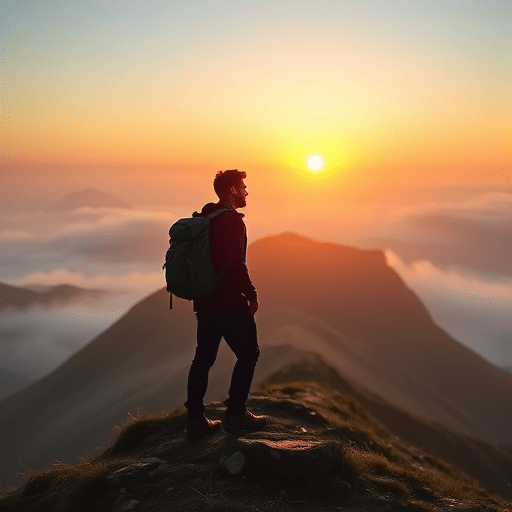
Off‑season backpacking in the Scottish Highlands offers the allure of solitude, dramatic landscapes, and a quieter, more introspective wilderness experience. Yet the very conditions that make this time of year special—low visitor numbers, unpredictable weather, and remote terrain—also present heightened safety challenges. This guide details the essential safety steps and gear you need for an off‑season backpacking adventure in the Scottish Highlands, ensuring you stay prepared, protected, and compliant with Leave‑No‑Trace principles.
Why Off‑Season Backpacking in the Highlands Is a Unique Challenge
The Highland winter and spring can bring sudden rainstorms, fog, snow, and strong cross‑winds. Trails that are clear in summer may be muddy, waterlogged, or overgrown, increasing the risk of slips and missteps. Moreover, fewer fellow hikers means limited immediate assistance if an accident occurs. Preparing for these conditions starts with understanding the environmental factors that differentiate off‑season travel from the peak months.
Key Environmental Risks
- Rapid Weather Changes: The Scottish climate can shift from sunshine to heavy rain or snow in minutes, affecting visibility and footing.
- Hidden Hazards: Unmarked rocks, fallen trees, and wet bogs become more treacherous when trails are obscured by snow or dense vegetation.
- Limited Daylight: Early winter days offer as few as six hours of light, demanding efficient use of daylight and reliable night‑time navigation.
Key Safety Preparations Before You Go
Meticulous planning is the cornerstone of a safe off‑season trek. Start by reviewing official trail guides, weather forecasts, and local advisories. Register your itinerary with the Scotland’s Outdoor Access Initiative to facilitate rescue coordination if needed.
1. Health & Fitness Check
- Ensure your cardiovascular fitness supports multi‑day hikes with heavy packs.
- Consult a healthcare professional if you have pre‑existing conditions (e.g., asthma, heart disease).
2. Local Knowledge & Guidance
Talk to local ranger stations, Highland Outdoor Centres, and experienced Highland hikers. Obtain up‑to‑date trail maps and ask about any recent landslides or road closures.
3. Emergency Contact Plan
- Provide a detailed itinerary (start, planned route, estimated return time) to a trusted friend or family member.
- Share your GPS coordinates and carry a personal locator beacon (PLB) or satellite messenger.
Essential Gear for Harsh Highland Conditions
Choosing the right gear balances protection, weight, and redundancy. Below is a comprehensive checklist tailored for the unpredictable Scottish Highlands.
Backpack & Load‑Carrying
- Backpack: 60‑70 L, durable waterproof shell, padded hip belt, and integrated rain cover.
- Load‑Carrying System: Use a waist belt and external hard‑shell containers for easier redistribution of weight.
Clothing System
- Base Layer: Moisture‑wicking synthetic or merino wool.
- Mid Layer: Insulating fleece or lightweight down.
- Outer Layer: 3‑layer waterproof/breathable jacket and pants.
- Accessories: Warm hat, balaclava, waterproof gloves, and gaiters for snow or mud.
Footwear & Foot Protection
- Sturdy, waterproof hiking boots with excellent ankle support.
- High‑visibility bright socks and spare pairs in a waterproof pouch.
Navigation & Illumination
- Topographic map and compass (with a backup battery).
- Multi‑use headlamp with at least 300 lux brightness and a red‑light mode.
- Portable power bank (minimum 10,000 mAh) and solar charger for extended trips.
Sleeping & Shelter
- Lightweight, four‑season tent or bivouac sack rated for wind and snow.
- High‑performance sleeping bag (down or synthetic rated to at least –10 °C).
- Insulating sleeping pad and optional foam pad for extra warmth.
Water & Food
- Water filter or chemical purifier rated for microbial pathogens.
- Thermal flask for hot drinks and a collapsible container for extra water.
- High‑calorie, low‑water food such as freeze‑dried meals, energy bars, and dehydrated staples.
First‑Aid & Survival Essentials
- Comprehensive first‑aid kit including bandages, antiseptic, blister treatment, and a pocket‑size tourniquet.
- Survival knife, firestarter kit (water‑proof matches and a lighter), and a multi‑tool.
- Emergency whistle and reflective triangle for visibility.
- Medical insurance card and emergency contact numbers written on waterproof paper.
Navigation & Weather‑Aware Planning
The Highlands’ remoteness means GPS reliability can be compromised by terrain and atmospheric conditions. Combine electronic navigation with traditional techniques to avoid getting lost.
Map‑Based Navigation
- Carry a waterproof topographic map of your route and practice contour reading.
- Identify key landmarks—cliffs, ridgelines, and lochs—that remain constant regardless of weather.
Weather Monitoring
- Check long‑term forecasts on the Met Office and sign up for local weather alerts.
- Use a handheld weather radio for real‑time updates.
Time Management
Plan to complete each day’s hike within daylight hours, especially in late autumn and winter when sunrise is later. Set a “safe return time” for each day and communicate it to your emergency contact.
Emergency Protocols and First‑Aid Essentials
Despite precautions, injuries can occur. Quick, decisive action is vital.
Common Highland Injuries
- Blisters, cuts, and scrapes from rough terrain.
- Hypothermia from prolonged exposure to wind and cold.
- Falls in wet or uneven ground.
Hypothermia Prevention
- Layer clothing to trap heat while allowing sweat to evaporate.
- Keep body heat away from extremities; use hand warmers.
- In case of sudden cold exposure, move to a sheltered location, remove wet clothing, and use a thermal blanket.
Emergency Response Steps
- Stop and Assess: Stop movement to avoid worsening injury.
- Signal: Use a whistle, voice shout, or light to attract attention.
- Contact: If available, use PLB or satellite messenger to request help.
- First Aid: Apply bandage, compress bleeding, and manage pain with over‑the‑counter medication if needed.
Sustainable Practices and Leave‑No‑Trace in Low‑Impact Seasons
Off‑season hikers often encounter more fragile ecosystems. Adhering to Leave‑No‑Trace principles preserves the Highland environment for future generations.
Camp Placement
- Choose established campsites or a 2 m radius from existing paths.
- Avoid sensitive vegetation like heather beds and peat moss.
Waste Management
- Pack out all trash, food wrappers, and human waste using the 3‑R rule (Reduce, Reuse, Recycle).
- Use a portable toilet system for campsites lacking facilities.
Wildlife Respect
- Maintain a safe distance from wildlife; avoid feeding animals.
- Store food in seal‑tight containers and away from sleeping areas.
Packing Tips to Keep Your Load Light and Efficient
Carrying a heavy pack over rugged Highland terrain can increase fatigue and injury risk. Here are strategies to streamline your load.
Weight Distribution
- Place the heaviest items close to the spine and in the middle of the pack.
- Use external hard‑shell containers for bulky gear to balance the load.
Redundancy vs. Lightness
- Carry a single water filter instead of bottled water; refill at reliable sources.
- Opt for multi‑purpose gear (e.g., a hat that doubles as a face mask).
- Prioritize high‑density, low‑volume items like thermal blankets over bulkier alternatives.
Daily Load Management
- Pack a small “day‑pack” with essentials for the day: water, snacks, first‑aid kit, and navigation tools.
- Leave non‑essential items (extra layers, spare electronics) in the main pack.
Conclusion
Backpacking in the Scottish Highlands during the off‑season offers an unparalleled wilderness experience, but it demands rigorous preparation, the right gear, and a clear safety mindset. By understanding the unique environmental risks, planning meticulously, and equipping yourself with essential safety gear, you can explore the Highlands’ remote beauty with confidence and respect for the fragile landscapes. With these strategies in place, your off‑season adventure will be both memorable and safe.