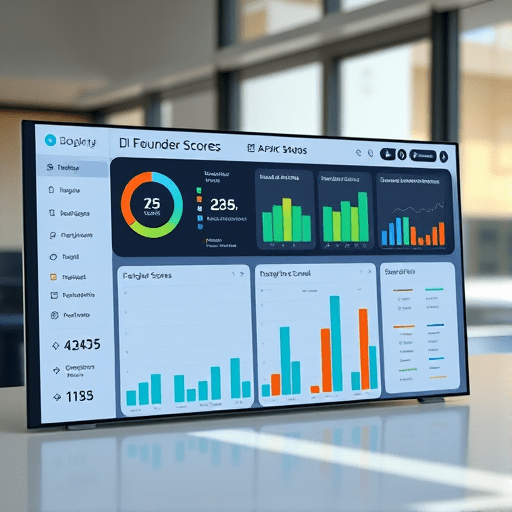
When you’re building a startup, choosing the right co‑founder can be the difference between rapid growth and a failed venture. In 2026, the stakes are higher than ever—markets move faster, funding cycles are shorter, and investors demand deeper due diligence. One emerging solution is AI‑driven background checks, which sift through data at scale, uncover patterns humans might miss, and surface hidden red flags before they become costly problems. This playbook explains how to integrate AI tools into your vetting process, what to look for, and how to interpret the results responsibly.
1. Why Traditional Vetting Falls Short in 2026
Historically, founders have relied on references, LinkedIn profiles, and informal chats to evaluate potential partners. While these methods provide qualitative insight, they’re limited by:
- Subjectivity – Opinions vary, and reputational bias can skew judgment.
- Incomplete data – Resumes often omit past failures, regulatory issues, or social media controversies.
- Time constraints – Manually reviewing each candidate’s history is labor‑intensive, especially when you’re juggling product development and investor outreach.
In contrast, AI‑driven tools process vast amounts of structured and unstructured data, detect anomalies, and provide a risk score that helps founders prioritize deeper investigation. By automating the data crunching phase, founders can focus on the human elements of partnership—culture fit, complementary skills, and shared vision.
2. Building the AI Background Check Pipeline
Implementing AI checks involves a few key steps: data sourcing, model selection, and result interpretation. Below is a step‑by‑step guide.
2.1. Identify Relevant Data Sources
Start by compiling a list of data feeds that will inform the AI model:
- Professional networks – LinkedIn, Crunchbase, AngelList.
- Legal databases – PACER, state court records, SEC filings.
- Financial platforms – Credit reports, KYC data, transaction histories.
- Social media and digital footprints – Twitter, Reddit, Medium, personal blogs.
- Open‑source intelligence (OSINT) – News articles, patent filings, speaking engagements.
Ensure you have the legal right to scrape or purchase this data, and comply with privacy regulations like GDPR or CCPA.
2.2. Choose or Train Your AI Model
Most startups will use a pre‑built AI platform that specializes in background checks—examples include ClearCheck, ScreenAI, and VeriFound. These platforms typically offer:
- Natural language processing (NLP) to parse resumes and news articles.
- Graph analytics to map connections between individuals and companies.
- Risk scoring engines that assign a probability of red flag presence.
If you have the resources, you can fine‑tune an open‑source model like spaCy or Hugging Face Transformers on your own dataset to capture domain‑specific nuances.
2.3. Integrate with Your Deal Flow
Set up an automated workflow that triggers an AI check whenever a new candidate is added to your internal database. The workflow should:
- Pull identifiers (email, phone, LinkedIn URL).
- Run the AI pipeline.
- Return a risk report with visual dashboards.
- Send notifications to the due diligence team for high‑risk cases.
Remember to log each check to maintain an audit trail, which is invaluable if you need to justify decisions to investors.
3. Decoding the AI Report: What to Look For
AI background check reports typically consist of several components. Understanding each helps you make a balanced judgment.
3.1. Risk Score and Red Flag Indicators
The risk score is a composite metric that aggregates various risk factors:
- Previous bankruptcies or business failures.
- Regulatory violations (SEC fines, state licensing issues).
- Negative media coverage (fraud allegations, lawsuits).
- Social media tone anomalies (disparaging remarks, extremist content).
- Network density anomalies (unusual clusters of associations).
High scores flag candidates for deeper manual review. Low scores suggest fewer objective red flags but do not guarantee compatibility.
3.2. Sentiment Analysis of Public Discourse
AI systems analyze text from blogs, tweets, and news to gauge sentiment. A consistently negative sentiment—especially from industry peers—may indicate reputational damage. Conversely, positive endorsements from credible sources can reinforce trust.
3.3. Anomaly Detection in Transaction Patterns
Machine learning models flag unusual spending patterns—such as high-frequency transfers to shell accounts or sudden spikes in credit usage—that could hint at financial impropriety.
3.4. Network Graph Insights
Graph analytics reveal a candidate’s professional network. A tightly clustered graph with many connections to defunct startups or individuals with legal issues can be a warning sign. In contrast, a diverse network with ties to reputable organizations indicates a healthy professional footprint.
4. Managing False Positives and Bias
AI models are only as good as their training data. Inaccurate or biased data can lead to false positives, unfairly harming a candidate’s reputation. Here’s how to mitigate these risks:
4.1. Regular Model Audits
Schedule quarterly reviews of the AI model’s performance. Use a validation dataset to measure precision, recall, and F1 scores. If the model misclassifies too many candidates, retrain with updated data.
4.2. Incorporate Human Judgment
Treat AI outputs as one layer of evidence, not the final verdict. Cross‑check high‑risk alerts with manual investigations—contact references, request a video interview, and verify financial documents.
4.3. Transparent Data Provenance
Maintain a clear record of where each data point came from. This transparency helps explain AI decisions during investor reviews and legal inquiries.
5. Case Study: Startup X’s 2026 Co-Founder Selection
Startup X, a fintech accelerator, used an AI-driven background check to evaluate a potential co‑founder who had an impressive LinkedIn résumé but a hidden past. The AI report flagged several red flags:
- Two prior companies had been sued for data privacy violations.
- Social media analysis revealed a 45% negative sentiment score due to controversial statements.
- Transaction anomaly: a sudden transfer of $500,000 to an offshore account a month before the interview.
Armed with this data, the founding team conducted a deeper interview and reached out to the previous company’s legal counsel. The allegations were verified, leading to a cautious decision to decline the partnership. Within six months, Startup X successfully onboarded a different co‑founder, who became instrumental in securing Series A funding.
This case illustrates how AI tools can surface hidden risks that traditional vetting might miss, saving time and reducing costly missteps.
6. Legal and Ethical Considerations
AI background checks operate at the intersection of technology, law, and ethics. Stay informed on these key areas:
6.1. Compliance with Employment Law
In many jurisdictions, it’s illegal to use certain data (e.g., criminal history for non‑criminal positions). Ensure your AI tools filter out disallowed information or obtain explicit consent from candidates.
6.2. Fair Credit Reporting Act (FCRA) in the U.S.
If your AI tool performs credit checks, you must comply with FCRA regulations, including providing pre‑adverse action notices and post‑action disclosures.
6.3. Data Privacy Regulations
GDPR mandates explicit consent for processing personal data. Under CCPA, California residents can request deletion of their data. Incorporate opt‑out mechanisms into your workflow.
6.4. Bias Mitigation
AI models can inadvertently perpetuate societal biases. Conduct bias audits, diversify training datasets, and include fairness constraints in your model training pipeline.
7. Future Trends: What 2027 Will Bring
AI background checking is poised to evolve rapidly. Keep an eye on these emerging trends:
- Real‑time monitoring of a candidate’s digital presence via continuous data feeds.
- Explainable AI (XAI) frameworks that provide human‑readable justifications for risk scores.
- Integration of blockchain‑verified credentials to ensure authenticity.
- Collaboration platforms that allow cross‑company data sharing while respecting privacy.
Adopting these innovations early can give your startup a competitive advantage in vetting partners.
Conclusion
AI‑driven background checks transform co‑founder vetting from a subjective exercise into a data‑rich, scalable process. By automating the data collection and analysis phases, founders can uncover hidden red flags, mitigate bias, and allocate human resources to deeper qualitative assessments. When integrated responsibly—respecting legal boundaries and ethical norms—AI tools become a powerful ally in building resilient, trustworthy founding teams.