# Ethical Travel Photography: How to Capture Images Without Trampling Habitat or Stressing Animals
The phrase “ethical travel photography” used to feel like a niche concern, a footnote in gear reviews and workshop brochures. In 2026, it is the central assignment. As biodiversity frameworks tighten and popular destinations impose visitor limits, photographers are being asked to justify not just what they shoot, but how they get there and who they disturb along the way. The good news is that you can still capture images ethically without trampling habitat or stressing animals—if you are willing to rethink how, where, and why you shoot. A frame is worth more when the ground under your feet remains exactly as you found it.
The Carbon Cost Hidden in Your Camera Bag
Every travel photograph has a shadow: the carbon emissions that carried you to the scene. A single long-haul flight can produce more emissions per photographer than a year of daily driving, and that is before accounting for camera bodies, lenses, batteries, and the servers that host your cloud backups. The typical response—buying carbon offsets—is increasingly seen as insufficient. Instead, a growing number of photographers are adopting a carbon budget approach: planning fewer, longer trips rather than many short ones, combining assignments, and choosing ground transport whenever a route is feasible.
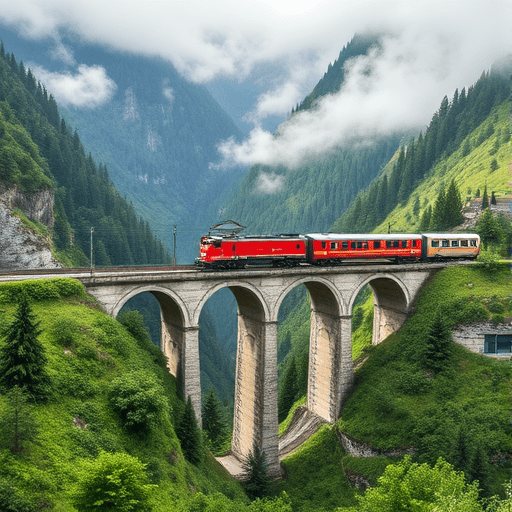
When you do fly, look for direct flights, which burn less fuel than journeys with multiple takeoffs and landings. On the ground, favor electric rental vehicles or public transit to reach trailheads. More importantly, ask whether the image you are chasing requires a new continent or just a new perspective. Some of the most compelling habitat stories in 2026 are being told in regional parks, urban wetlands, and reclaimed agricultural land—places reachable without a boarding pass. The carbon cost of a photograph should be treated as part of the creative brief, not an afterthought.
Stay on the Path: Habitat Preservation Starts Beneath Your Boots
Trampled habitat is the quietest form of damage a photographer can cause. It does not make the frame, and it rarely makes the news, but it slowly degrades the very scenes you are trying to preserve. Cryptobiotic soil crusts in deserts, alpine meadows, coastal dunes, and tundra vegetation are all fragile substrates that can take decades to recover from a single footprint. A rule used by many field photographers today is simple: if you cannot clearly see the ground beneath your feet, stay off it. If the path is muddy, accept mud. If the overlook is crowded, wait for a gap rather than stepping into the vegetation to get a cleaner angle.
The most effective fix is optical, not physical. Use a longer focal length to compress distance and isolate subjects from the trail or boardwalk. Modern crop-sensor cameras and high-resolution sensors make it possible to stand well back and still capture fine detail. When you do need to reposition, move slowly, use natural features like rocks and fallen logs as stepping points, and never cut switchbacks. Pack out everything—including fruit peels and tissues—because even biodegradable waste disrupts nutrient cycles in nutrient-poor habitats. If you are shooting in a fragile area, consider leaving the heavy tripod behind; a monopod or a carefully placed beanbag can be enough support without sinking into the substrate.
Reading Animal Stress Signals Before You Press the Shutter
Wildlife photography carries an unspoken contract: the animal’s well-being comes before the image. In 2026, with drone noise and social-media pressure amplifying bad behavior, the renewal of that contract is urgent. Animals communicate stress in subtle and obvious ways. Flattened ears, a stiff tail, rapid breathing, frozen posture, or an alarm call all mean you are too close, and the right response is to back away with your camera down. Watch for more severe signs too: nest abandonment, regurgitation in birds, or a mother leading her young away—these are all indicators of cumulative disturbance.
Seasonal awareness matters as much as distance. Molting birds are less mobile; mammals with new offspring are more sensitive; amphibians breeding in shallow water are especially vulnerable to foot traffic. Avoid using flash on nocturnal species and never shine a spotlight on animals that are sleeping or feeding. Drones deserve particular caution. Even at high altitude, the whine of a drone can trigger panic responses in nesting seabirds and ungulates. Before launching, check local regulations, keep a generous altitude buffer, and ask whether the shot is worth the stress. A blunt and effective rule: if the animal changes its behavior because of you, you are the disturbance. Shoot from where the animal would be comfortable, not from where you want to be.
Smart Gear Choices for a Lighter Footprint
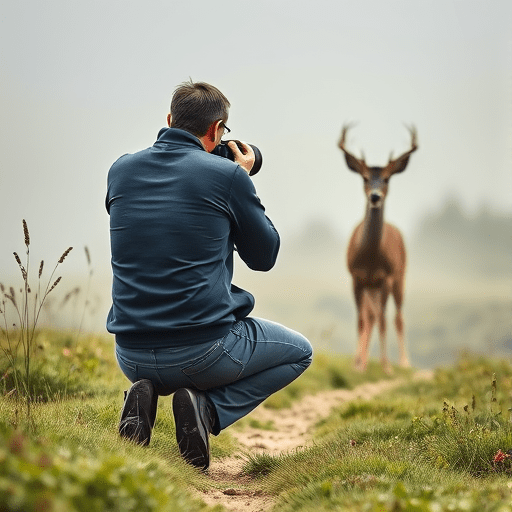
Your gear list is an environmental statement, whether you intend it or not. The most ethical setup is the one that keeps the maximum distance between you and your subject. A 400mm or 600mm prime lens with a fast shutter speed is often better for wildlife than a 70-200mm zoom that tempts you to walk closer. Pair that lens with a crop-sensor body or a high-megapixel camera that lets you crop generously in post-processing, making distant subjects fill the frame without ever moving from the designated area. In many national parks and reserves, the designated area is more than a rule—it is the only safe zone for both you and the animals.
Consider leaving the drone behind entirely for sensitive ecosystems. Instead, use ground-level camera traps, which can be placed on existing trails and triggered remotely, or use a small, silent camera mount on a long pole for certain subjects. These tools let you gather intimate perspectives without entering the habitat. Batteries and memory cards should be counted, loaded, and packed out with care; spent lithium-ion batteries should never be left in a field or a fire pit. Even your lens cloth matters: microfibers shed particles, so carry a washable cloth and use it away from waterways.
The New Storytelling Ethic: Share the Place, Not the Coordinates
Once you have the image, the ethics continue in the caption. Geotagging the exact location of an endangered or sensitive species is a direct invitation for others to repeat your journey—and your disturbance. A 2026 approach to responsible captioning gives a broad region, a habitat type, or a protected area without a precise pin. It also adds context: mention the threats the species faces, the conservation organization working in the area, and the conditions under which the photograph was taken. This turns a beautiful image into a tool for stewardship rather than a travel checklist item.
When you post, resist the urge to reveal how close you were. Instead of celebrating that you got within three meters of a deer, model better behavior by explaining how a long lens and a respectful approach allowed you to capture the moment from a safe distance. Audiences are learning, and they are watching other photographers for cues. If you are generous with your techniques and honest about your mistakes, you contribute to a culture that values patience over proximity.
Rethinking Travel: The Case for Radical Localism
This does not mean abandoning travel photography. It means expanding your definition of what counts as a destination. Consider devoting a season to your bioregion: the river that runs through the next county, the desert that sits a three-hour drive away, the city park where foxes and herons carry on their lives unnoticed. These micro-expeditions can yield original stories with a fraction of the carbon cost. When you do travel long distances, plan for a longer stay—two weeks instead of four days, perhaps—so the flight’s impact is spread across more shot days, more patient observation, and more meaningful connection with local guides and rangers who depend on tourism fees for conservation work.
Photographers who adopt this slower rhythm often find that the images improve. Familiarity with a landscape allows for changes in light and season, for animal behaviors that only reveal themselves over hours of stillness, and for the kind of storytelling that comes from knowing a place rather than visiting it.
Conclusion
Ethical travel photography is not a restriction; it is a discipline that sharpens the eye and deepens the story. By staying on the path, reading animal cues, choosing distant glass over closer footsteps, and treating carbon like a creative constraint, you can make images that honor the world they came from. The most powerful photograph is the one that leaves the scene exactly as it was—and the photographer walks away carrying nothing but the frame.