In 2026, the most successful cosmetic packs are those that feel like extensions of a player’s identity rather than mere vanity items. Crafting Cosmetic Packs That Players Love hinges on three pillars: emotional resonance, transparent pricing, and continuous engagement. By weaving these principles into every design cycle, developers can sidestep backlash, foster community goodwill, and generate steady revenue without compromising gameplay integrity.
1. Start With a Story‑Driven Design Philosophy
Modern players crave meaning behind their purchases. Cosmetic items that tell a story or reinforce a character’s lore create emotional investment. Consider these tactics:
- Character Evolution Series: Release a line of skins that depict a protagonist’s journey—early-career outfits, wartime armor, post‑war renaissance. Players feel part of the narrative.
- Event‑Triggered Unlocks: Tie cosmetic themes to in‑game events or real‑world holidays, such as a Lunar New Year armor set or a 90s retro theme during a retro mode revival.
- Player‑Generated Content Integration: Allow community artists to submit designs that can be licensed for limited‑time packs, rewarding both creators and buyers.
When players understand the “why” behind a pack, they’re more likely to pay. This storytelling approach also fuels word‑of‑mouth promotion without the need for aggressive advertising.
2. Leverage Data‑Driven Pricing Models
In 2026, price elasticity in cosmetic markets has shifted. Players value uniqueness but are wary of “pay‑to‑win” optics. Transparent, tiered pricing mitigates backlash:
2.1 Tiered Bundle Structures
- Micro Pack (under $2): One or two basic cosmetic items—great for casual players.
- Mid Pack ($3–$7): A set of complementary items (e.g., skin, banner, emote). Adds perceived value.
- Premium Pack ($8–$12): Includes a rare item, exclusive badge, and a personalized “player tag.”
- Collector’s Bundle ($15–$20): All above plus a physical merchandise tie‑in, like a character figurine.
Providing clear distinctions between tiers helps players gauge value before purchase. Moreover, bundling reduces the temptation for impulse buying while encouraging strategic spending.
2.2 Dynamic Pricing Based on Engagement
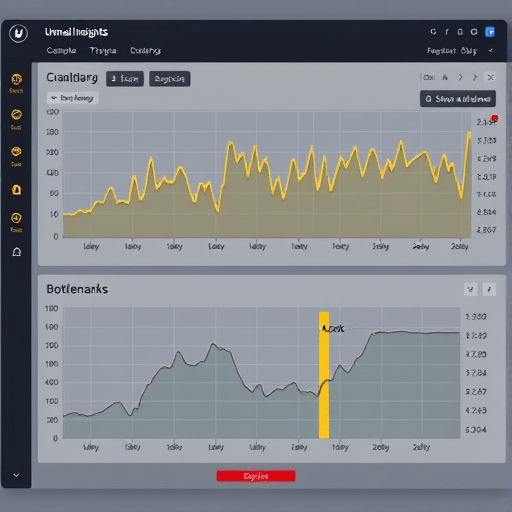
Real‑time analytics can adjust prices for items that are underperforming or overperforming. For instance, if a particular skin’s uptake drops, the store could automatically lower its price by 20% for a limited window. Conversely, a surge in demand for a themed pack during a holiday can justify a modest price bump.
Dynamic pricing should be communicated transparently—display the original price and the discount duration. This clarity maintains trust and prevents accusations of “price gouging.”
3. Focus on Visual Appeal Without Compromising Gameplay
Cosmetics must feel visually stunning while staying consistent with the game’s artistic direction. Here’s how to achieve that balance:
3.1 Modular Design Architecture
Implement a modular framework where skins share base models and textures. This reduces development overhead while allowing for high‑quality variations. Players can mix and match elements from a base pack, creating a personalized look without the cost of entirely new assets.
3.2 Accessibility and Visibility Tests
Conduct A/B tests to ensure skins stand out in crowded environments. A pack might look dazzling in isolation but be lost in a battlefield setting. Use metrics such as “visibility score” and “player identification rate” to refine designs before release.
3.3 Community Feedback Loops
Launch beta cosmetic packs to selected community testers. Solicit feedback on aesthetics, color palettes, and thematic relevance. This iterative process prevents costly post‑launch patches and keeps players engaged.
4. Incorporate Rewarded Microtransactions and Play‑to‑Earn Elements
Players increasingly expect value beyond a one‑time purchase. Rewarded microtransactions and play‑to‑earn models can enhance perceived worth:
- Loot‑Box Mechanics: Offer a chance to win a cosmetic from a themed set. Keep drop rates transparent and maintain a “no‑win” guarantee after a certain number of attempts.
- Earn‑While‑You‑Play: Allow players to accumulate “crafting credits” through gameplay, which can be redeemed for exclusive cosmetic items. This encourages continued engagement.
- Seasonal Passes with Cosmetic Unlocks: Combine level‑based progression with cosmetic rewards, giving players a clear incentive to progress each season.
Reward structures should avoid any perception of gambling, especially with age restrictions. Transparency and fairness are paramount to maintain community trust.
5. Build a Community‑Centric Release Cadence
Timing and communication can make or break a cosmetic pack’s reception. Follow these guidelines:
5.1 Pre‑Launch Teasers
Drop teaser trailers, concept art, and lore snippets a month in advance. Engage the community by hosting design polls—e.g., choose the color scheme or the finishing detail.
5.2 Launch Events
Host live streams or in‑game events that celebrate the new pack. Provide limited‑time “first‑purchase” bonuses to reward early adopters and create urgency.
5.3 Post‑Launch Support
Gather player data on usage patterns. If a particular cosmetic is underutilized, consider a mid‑cycle price drop or a bundled offer. Keep players informed about upcoming updates to maintain excitement.
6. Ethical Monetization Practices to Avoid Backlash
Player sentiment in 2026 is unforgiving of opaque practices. Adopt these ethical guidelines:
- No Hidden Fees: Clearly display taxes, fees, and final price before checkout.
- Fair Drop Rates: Publish drop tables for loot‑box or rewarded items.
- Age‑Appropriate Content: Ensure all cosmetic items comply with regional age‑rating standards.
- Transparent Data Use: Inform players how their data influences pricing and recommendation algorithms.
By treating players as partners rather than customers, developers build lasting loyalty that translates into sustainable revenue streams.
Conclusion
Crafting cosmetic packs that players love in 2026 is an art that blends narrative depth, data‑driven pricing, visual excellence, and ethical monetization. When developers prioritize player experience and community engagement, cosmetic microtransactions evolve from simple purchases into cherished extensions of player identity—resulting in both commercial success and a thriving, satisfied player base.