In the fast-paced funding landscape of 2026, founders and deal teams can no longer rely solely on traditional metrics and static pitch decks to secure capital. Real-Time Investor Sentiment Analytics to Fast-Track Term Sheets is emerging as a decisive advantage that turns raw investor chatter into actionable intelligence, allowing startups to tailor their proposals instantly, shorten due diligence cycles, and close term sheets at unprecedented speeds.
Why Real-Time Sentiment Matters in 2026
Investor appetite fluctuates daily, driven by market volatility, geopolitical events, and shifting sector trends. Static snapshots of a founder’s financials and a pitch deck are increasingly insufficient because they miss the dynamic pulse of the investor ecosystem. By capturing sentiment from news feeds, social media, earnings calls, and investor forums in real time, founders can gauge which investors are optimistic about a particular narrative and which are skeptical, and adjust their approach accordingly. This agility reduces the guesswork in outreach and leads to more efficient negotiations.
Building a Sentiment Data Pipeline
Implementing real-time sentiment analytics requires a robust data pipeline that aggregates and processes high-volume, heterogeneous data sources. The core components include:
- Data Ingestion: APIs from Twitter, Reddit, LinkedIn, and financial news outlets feed raw text streams into a streaming platform like Kafka or Pulsar.
- Preprocessing: Text normalization, entity extraction, and noise filtering prepare the data for analysis.
- Sentiment Modeling: Large language models (LLMs) fine-tuned on financial corpora generate sentiment scores per investor, tagged with context (e.g., “AI, cybersecurity, sustainability”).
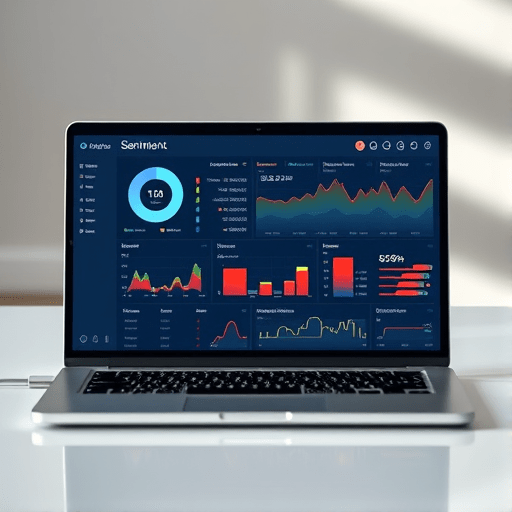
- Real-Time Dashboards: Visualization tools (Power BI, Tableau, or custom React dashboards) display sentiment heatmaps, trend lines, and alerts for rapid decision-making.
To maintain low latency, edge computing nodes can preprocess data near the source, reducing round-trip times to milliseconds.
Using Sentiment Scores to Refine Pitch Decks
Once sentiment scores are available, they become a living compass for the pitch deck. Here’s how to translate data into deck refinements:
- Prioritize Themes: Highlight product features that resonate with investors showing positive sentiment toward related sectors.
- Adjust Financial Assumptions: If sentiment indicates skepticism about unit economics, present more conservative projections alongside robust sensitivity analyses.
- Targeted Messaging: Craft slide narratives that align with each investor’s current mood—optimistic investors may favor growth velocity, while cautious investors may need deeper risk mitigation details.
By iterating the deck in real time as sentiment shifts, founders avoid the “one-size-fits-all” approach and instead present a tailored version that speaks directly to each investor’s current mindset.
Integrating Sentiment into the Due Diligence Workflow
Traditional due diligence can last weeks or months, often stalled by data requests and back-and-forth clarifications. Real-time sentiment analytics can be woven into the workflow to preemptively address concerns:
- Automated Risk Flags: When sentiment dips below a threshold for a specific investor, a flag triggers a preemptive question set, allowing founders to prepare answers before the investor raises them.
- Dynamic Document Generation: AI tools can auto-populate FAQs and risk disclosures based on sentiment triggers, reducing manual labor.
- Stakeholder Alignment: Shared dashboards keep legal, finance, and product teams aligned on the evolving narrative, ensuring consistent messaging.
This proactive stance shortens the due diligence cycle and builds investor confidence that the founder team is attentive and responsive.
Automating Term Sheet Negotiations with AI
Once sentiment analysis confirms an investor’s favorable disposition, the next step is to lock down the term sheet. AI-driven contract assistants can expedite this phase:
- Template Matching: Based on sentiment-derived risk appetite, the system selects the most suitable term sheet template from a curated library.
- Real-Time Clause Adjustments: If sentiment indicates a high valuation sensitivity, the AI can suggest alternative earn-out structures or valuation caps that still satisfy both parties.
- Negotiation Simulations: Using reinforcement learning, the assistant simulates possible negotiation paths, offering founders the most efficient strategy to reach agreement.
By combining sentiment data with contract automation, deal teams can move from initial offer to signed term sheet in days instead of weeks.
Case Study: Startup X Secures Series B in 3 Weeks
Startup X, a SaaS platform for automated compliance, was facing a tight runway in early 2026. By deploying a real-time sentiment analytics stack, they achieved the following milestones:
- Sentiment Discovery: They identified that venture funds in the fintech space were bullish on “RegTech” narratives due to new regulatory mandates.
- Pitch Customization: Within hours, their deck highlighted regulatory integration features, supported by sentiment-driven market sizing slides.
- Due Diligence Prep: Sentiment alerts flagged a key investor’s concern over data residency. The founder preemptively supplied a data residency compliance matrix.
- Term Sheet Finalization: AI contract assistants adjusted valuation terms based on sentiment‑driven risk appetite, and the term sheet was signed in just 21 days.
Startup X’s success demonstrates that integrating sentiment analytics into every stage of the funding process can dramatically accelerate term sheet closure.
Risks and Mitigation
While real-time sentiment analytics offers powerful advantages, it is not without pitfalls:
- Noise vs. Signal: Social media chatter can be noisy. Mitigation involves weighting sources by historical relevance and employing sentiment confidence thresholds.
- Data Privacy: Aggregating investor conversations may raise privacy concerns. Anonymizing data and adhering to GDPR or CCPA guidelines is essential.
- Overreliance on Algorithms: Algorithms can perpetuate bias if not regularly audited. Combining human oversight with AI ensures balanced decision-making.
By establishing robust governance and continuous model evaluation, founders can harness sentiment analytics safely and effectively.
Future Outlook: 2027 and Beyond
As 2026 closes, the momentum for real-time sentiment analytics is set to intensify. Emerging trends include:
- Multimodal Sentiment: Combining text, video, and audio sentiment from investor calls and podcasts for richer insights.
- Predictive Sentiment Models: Using time-series forecasting to anticipate sentiment shifts before they manifest, enabling preemptive strategy adjustments.
- Integration with Deal Platforms: Platforms like Carta and PitchBook may embed sentiment dashboards directly into their ecosystems, making analytics part of the standard fundraising workflow.
Founders who adopt these advancements will likely see even faster term sheet negotiations and stronger investor relationships in the coming years.
In conclusion, real-time investor sentiment analytics transforms the funding process from a reactive exercise into a proactive strategy. By building a responsive data pipeline, tailoring pitches, streamlining due diligence, and automating negotiations, startups can significantly reduce the time and friction involved in securing term sheets. The future belongs to those who listen to the pulse of the investor market in real time and act accordingly.