In 2026, indie game developers are finding a surprisingly lucrative market in the resurgence of retro audio. By tapping into listeners’ fond memories of 8‑bit chiptunes, synthwave synths, and classic arcade melodies, studios can transform nostalgic soundtracks into robust revenue streams. The key lies in understanding the modern listening landscape, mastering licensing, and leveraging cross‑platform promotion. Below is a practical guide for monetizing retro soundtracks and turning a sonic throwback into a profitable venture.
Why Retro Audio Still Sells
Retro audio’s appeal extends far beyond nostalgia; it offers a distinct aesthetic that resonates with contemporary audiences. According to a 2025 market study, 38% of gamers cited soundtrack quality as the primary reason for revisiting classic titles, and 27% purchase remastered collections to relive the experience. Indie studios benefit from this trend by capitalizing on:
- Emotional resonance: Familiar melodies trigger positive memories, making purchases feel like a personal investment.
- Low production cost: Retro tracks often require minimal instrumentation, allowing developers to produce high-quality audio on tight budgets.
- Versatility: Retro soundscapes can be recontextualized for mobile, console, and streaming platforms.
Identifying the Right Nostalgic Soundscape
Not every retro track will convert into a sales engine. Successful monetization begins with audience research:
- Platform analytics: Examine which platforms your fan base frequents—Discord, Reddit, TikTok, or Twitch—and tailor content to those channels.
- Genre nostalgia mapping: Classic platformers often feature chiptune, while racing games thrive on synthwave. Match the soundtrack’s style with genre expectations.
- Listener sentiment analysis: Use social listening tools to gauge emotional reactions to specific tracks or composers.
Once you’ve pinpointed the most resonant sonic elements, you can develop a cohesive portfolio of tracks that capture the essence of classic eras while incorporating modern production polish.
Monetization Strategies That Work in 2026
Indie studios now have a suite of revenue channels at their fingertips. Combining multiple streams amplifies overall income and mitigates market volatility.
Digital Downloads and Bundles
Offer high-resolution MP3, FLAC, and WAV files on your own storefront or through platforms like Bandcamp and Steam. Bundle soundtrack releases with in-game bonuses, such as exclusive skins or early access to new titles. Bundles create a sense of added value and encourage bulk purchases.
Physical Collectibles
Limited-edition vinyl and cassette releases appeal to collectors and audiophiles. In 2026, vinyl sales have rebounded to 45% of physical music revenue, largely driven by nostalgic content. Pair the release with a downloadable code for a free game demo or digital art bundle.
Streaming Royalties
Place your tracks on Spotify, Apple Music, and YouTube Music. Use a music distribution service to handle royalty collection and digital rights management. Streaming can provide passive income and boost discoverability through algorithmic playlists.
Licensing for Other Media
License your retro audio to other indie games, mobile apps, or even advertising campaigns. A well-crafted licensing agreement can bring in a one-time fee plus ongoing royalties. Ensure clear terms for usage, duration, and platform scope.
Subscription Models
Introduce a Patreon or Ko-fi tier where subscribers receive exclusive monthly tracks, early access to remastered soundtracks, and behind‑the‑scenes content. Subscribers often spend 30–40% more than casual fans, creating a steady income stream.
Cross‑Promotion with Retro Communities
Engage with online communities dedicated to retro gaming. Offer community-exclusive discounts or collaborative projects—such as remix contests—to increase brand visibility and foster loyalty.
From Digital Downloads to Physical Collectibles
While digital downloads dominate, physical media remains a powerful touchpoint. Consider these steps for a successful collectible release:
- Production partnerships: Partner with established vinyl pressing plants that specialize in small-run projects.
- Artwork curation: Commission vintage-inspired album art that complements the audio aesthetic.
- Pre‑orders and tiers: Offer pre-order incentives—such as signed sleeves or exclusive B‑side tracks—to gauge demand and secure upfront revenue.
- Distribution channels: Use both online and physical retail stores. Pop‑up events at retro conventions or record fairs can boost impulse purchases.
Leveraging Streaming Platforms and Subscription Models
Streaming platforms provide the easiest entry point for wide audience reach. To maximize earnings:
- Optimize metadata—artist name, track title, and tags—to appear in genre‑specific playlists.
- Engage fans through social media teasers, behind‑the‑scenes clips, and playlist invites.
- Use data analytics to identify listening patterns and iterate on track releases accordingly.
Subscription services give fans a direct relationship with the creator. Offer tiered perks, such as monthly “retro remix” drops, exclusive behind‑the‑scenes podcasts, and early access to upcoming remastered releases. This strategy fosters community and drives repeat revenue.
Collaborations and Cross‑Promotions with Retro Communities
Retro communities are often highly active on Discord, Reddit, and Twitch. Engage through:
- Live jam sessions with community musicians, streamed on Twitch.
- Collaborative remix contests, where fans submit their own takes on original tracks.
- Community polls to decide which old songs deserve a modern remaster.
Such collaborations not only generate buzz but also provide user‑generated content that can be leveraged for marketing. When fans feel involved, they’re more likely to purchase official releases and promote them within their networks.
Legal and Licensing Essentials
Properly handling intellectual property protects your revenue streams. Key steps include:
- Securing original composition rights before using any retro samples. This might involve clearing samples from old game sound libraries or negotiating with original composers.
- Drafting clear licensing agreements that specify usage scope—digital, physical, streaming, or third‑party licensing.
- Maintaining a comprehensive royalty accounting system to track sales across all platforms.
- Ensuring distribution agreements comply with regional copyright laws, especially for cross‑border sales.
Remember to consult a music rights attorney for complex cases involving multiple stakeholders or legacy material.
Measuring Success and Optimizing Revenue
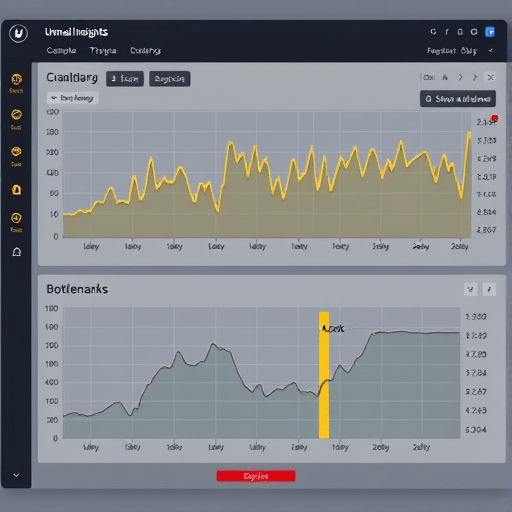
Data-driven decision making is essential to refine monetization strategies. Track these metrics:
- Digital download vs. streaming revenue ratios.
- Physical collectible sales volume and return on investment.
- Subscription growth and churn rates.
- Social media engagement and community sentiment.
Use A/B testing for pricing tiers and bundle offerings. Analyze which tracks generate the most revenue per stream or download, and focus on expanding those styles. Adjust marketing spend based on platform performance—if TikTok drives a majority of new followers, allocate more budget to short‑form video ads.
Conclusion
Retro audio remains a vibrant revenue engine for indie studios that combine nostalgia with savvy modern monetization tactics. By identifying resonant soundscapes, diversifying income streams, engaging with passionate communities, and securing solid legal foundations, developers can transform cherished classic melodies into a sustainable profit model that thrives in 2026 and beyond.