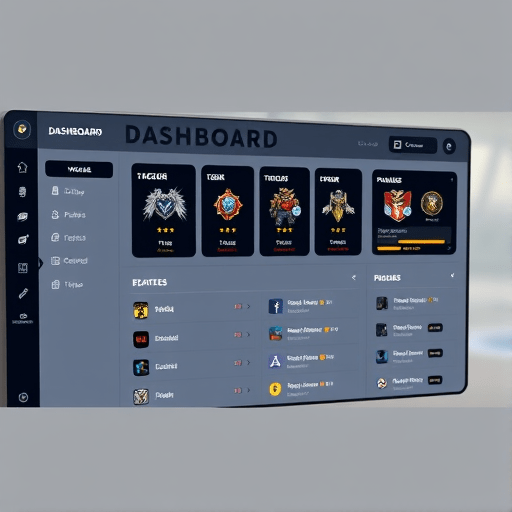
In 2026 the game economy continues to evolve, but the core challenge remains the same: create a sustainable revenue stream without alienating the community. A well‑designed, tiered subscription model can do just that—earning steady income while keeping players coming back for fresh content. Below, we explore five subtle tactics that blend seamlessly into gameplay, reduce friction, and build long‑term loyalty.
1. Contextual Micro‑Subscriptions: Offer Perks in Real Time
Instead of a single upfront subscription price, introduce small, context‑based add‑ons that appear at moments when the player is most likely to commit. For example, during a late‑night raid, a UI prompt could suggest a temporary “Elite Gear Boost” for $2 that lasts 24 hours. The key is timing: deliver the offer when the player is already invested and the perceived value is high.
- Benefit to players: They pay only for what feels essential, avoiding a sense of over‑monetization.
- Benefit to developers: Boosts average revenue per user (ARPU) with minimal effort.
- Implementation tip: Use behavioral analytics to trigger offers when engagement spikes.
This tactic works best when paired with a tiered system where the base subscription already grants core benefits. The micro‑substitutions then serve as optional add‑ons that can be bundled or sold separately, giving players flexibility while enhancing the perceived value of the overall subscription package.
2. Experience‑Based Subscription Tiers: Level‑Up Your Membership
Many games already have leveling systems; translate that into subscription tiers. Start with a free tier that gives access to a basic sandbox, then unlock “Bronze,” “Silver,” and “Gold” levels as players reach certain in‑game milestones. Each level unlocks increasingly valuable perks such as exclusive cosmetics, priority queue access, or unique storylines.
- Player motivation: Gamers love progression; this maps directly onto their existing desire to level up.
- Revenue consistency: As players hit higher tiers, their willingness to pay grows naturally.
- Design consideration: Ensure that each tier feels distinct yet attainable; otherwise, players may churn.
Implementing Tiered Rewards Without Pay‑to‑Win
To maintain fairness, avoid granting purely functional advantages. Instead, focus on non‑essentials—visual customizations, early content drops, or community status badges. This keeps gameplay balanced while still offering tangible value to paying members.
3. Subscription‑Backed Seasonal Passes: Combine Value and Exclusivity
Seasonal passes are a proven revenue driver, but they can be tweaked for subtlety. Integrate the pass into the subscription structure so that each season’s pass is automatically included for subscribers. Non‑subscribers can still purchase a pass, but they’ll pay a premium to avoid in‑season “pay‑per‑content” fees.
- For subscribers: Immediate access to the full seasonal content at no extra cost.
- For non‑subscribers: A one‑time purchase with a higher price point, encouraging long‑term commitment.
- Social proof: Highlight the number of players who unlocked the season early through subscription.
By embedding the seasonal pass within the subscription, you create a sense of “already having paid” that discourages players from missing out. This subtle nudge reduces the barrier to entry and reinforces the value of a long‑term commitment.
4. Community‑Driven Subscription Rewards: Tap Into Social Influence
People love to feel part of a community. Design a tier that unlocks exclusive access to community events—live streams, developer Q&A, or in‑game guild perks. Offer a “VIP Community” tier that lets members influence future content through voting or beta testing.
- Engagement boost: Subscribers participate in shaping the game’s direction.
- Retention factor: The sense of belonging reduces churn.
- Consider a “Founders” tier for early adopters that includes special in‑game titles and recognition.
Leveraging Social Proof and Limited Availability
Use countdown timers or limited slots to create urgency. For instance, “Only 500 VIP Community spots available this month.” The fear of missing out (FOMO) can gently push hesitant players toward a subscription without heavy-handed pressure.
5. Data‑Driven Subscription Refresh: Keep Offerings Fresh and Relevant
Player preferences shift over time. Employ AI to monitor usage patterns and adjust subscription benefits dynamically. If data shows a spike in demand for a new weapon class, introduce a temporary “Weapon Master” tier that grants early access. After a few weeks, roll it out into a permanent tier or retire it based on performance.
- Personalized value: Players see that the subscription evolves with their interests.
- Reduced churn: Fresh content keeps the subscription relevant.
- Use analytics dashboards to track Tier uptake and revenue impact.
Testing and Iteration
Run A/B tests on new tiers and perks. Even a 5% change in pricing or feature set can significantly impact ARPU. Document the results and refine the strategy accordingly. Transparent communication about updates can also build trust, reinforcing the idea that the subscription evolves to meet player needs.
Putting It All Together: A Cohesive Subscription Ecosystem
Integrating these tactics into a single, frictionless model demands thoughtful UI design. A clean, single‑click subscription screen should display tier options, upcoming seasonal content, and community perks side by side. Highlight the most popular tier with a subtle badge like “Most Popular.” Provide clear tooltips explaining each perk to minimize confusion.
From a developer’s standpoint, a modular approach is essential. Design the subscription backend so that new tiers or micro‑offers can be added without a full code overhaul. Cloud‑based subscription services or built‑in platform tools (like Google Play Billing or Apple In‑App Purchases) can manage user entitlements, freeing your team to focus on content.
Conclusion
Monetizing games in 2026 doesn’t require aggressive upsells or intrusive ads. By blending contextual micro‑subscriptions, experience‑based tiers, seasonal passes, community rewards, and data‑driven refreshes, developers can create a subscription model that feels natural and valuable. The result? A steady revenue stream and a loyal player base that keeps the game alive well into the future.