Finding street food in Marrakesh can feel like navigating a labyrinth—bright stalls, fragrant aromas, and a constant buzz of activity. Yet the best dishes lie far from the main tourist arteries, in corners where locals gather and vendors serve authentic, affordable meals. This step‑by‑step guide explains how you can find street food in Marrakesh without tourist traps, using practical tips, tech tools, and a keen sense of observation to uncover the city’s culinary hidden gems.
1. Start Your Search Early in the Day
The street food scene in Marrakesh thrives on freshness, and the earliest stalls usually offer the best quality. Arriving between 8:00 am and 10:00 am gives you a chance to see vendors preparing their dishes from scratch and to catch locals already lining up for breakfast. Early mornings also mean lower prices, as vendors haven’t yet increased their rates to match tourist demand. If you’re aiming for the most authentic experience, set your alarm a bit earlier and be ready to explore before the city wakes fully.
2. Follow the Locals, Not the Tourists
Tourists often gravitate toward the main thoroughfares and the most photographed spots. To avoid inflated prices and staged presentations, pay attention to where the locals are heading. Observe the flow of people as they move away from the main square of Jemaa el‑Fnaa toward side streets, back alleys, and less‑traveled corners. The scent of freshly grilled kebabs or the sound of sizzling oil can guide you to stalls that serve food right from the grill.
3. Decode the Stall Etiquette: A Quick Guide
In Marrakesh, stall etiquette follows a few unspoken rules that can help you spot genuine vendors:
- Stalls that serve the same dish to everyone in the same style are usually run by families who have perfected a recipe over generations.
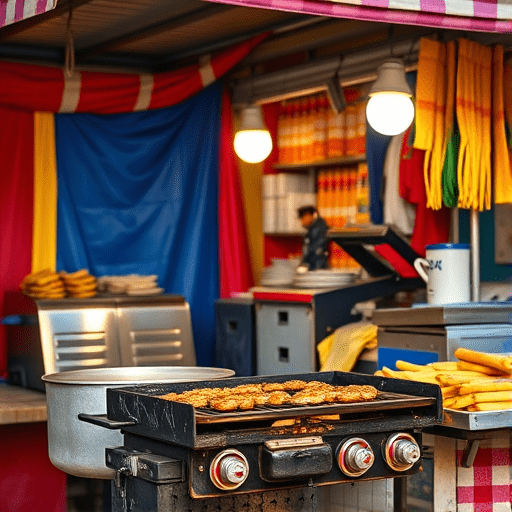
- Stalls that let you see the cooking process (e.g., open grills or clay ovens) indicate transparency and freshness.
- Regulars’ presence—if you notice regular patrons who come back repeatedly, the stall likely offers consistent quality.
- Low‑priced but full plates—often a sign that the vendor uses high‑quality ingredients without artificial frills.
4. Map Out the Hidden Corners of the Medina
While Jemaa el‑Fnaa is iconic, the true culinary heart lies in its backstreets. A quick mapping exercise can save hours of wandering. Start with the Rue de la Sultana, known for its grilled meat stalls. From there, take Rue de Sidi Yahya toward the Saadian Tombs, where many small cafés and food carts serve tagine on the go. If you head west toward the Bab Jdid gate, you’ll find an area called El Bouchra filled with stalls selling harira and msemen. Sketch these paths on a paper or digital map so you can navigate them quickly.
5. Use Tech Wisely: Apps, GPS, and Social Media
Modern travelers can leverage technology to streamline their street‑food quest:
- Google Maps – search “street food” or “kebabs” near your hotel, then filter by user reviews. Look for venues with at least 15 reviews and a rating above 4.0.
- Yelp and TripAdvisor – scan photos for authentic signs, such as a simple signboard, a grill in front of the stall, and a long queue of locals.
- Instagram – use hashtags like
#MarrakechStreetFoodor#FoodInMarrakech. Filter to posts made by locals or by food bloggers who frequently mention the authenticity of their meals. - **Offline maps** – download a PDF map of the Medina; GPS can be unreliable in narrow alleys.
6. Tasting the Food: What to Order and How to Spot Quality
Below are signature dishes that epitomize authentic Marrakesh street food and how to identify a good version:
- Brochettes (Kebabs) – look for skewers served on a simple metal plate, with fresh herbs on top. The meat should be tender, not dry, and lightly charred.
- Mechoui (Slow‑roasted lamb) – quality lamb will have a golden crust and a succulent interior. Check for the presence of a smoke ring on the outer layer.
- Tagine à la Cherda (Meat and preserved lemons) – a well‑balanced spice profile. Avoid overly sweet or overly peppery versions.
- Harira (Lentil soup) – should be aromatic, with a hint of cumin and coriander. The broth should be clear, not cloudy.
- Msemen (Flaky flatbread) – look for golden‑brown edges and a chewy texture. Freshly made will have a slight sheen of oil.
7. Avoiding Common Tourist Traps
Tourist traps often share common characteristics:
- **Large, flashy signs** in bright colors that shout “Bestsellers” in English.
- **Stalls that offer the same dish in many variations** but with high prices.
- **Crowds of tourists at a stall** where the locals are absent.
- **Price tags** that increase significantly once you’ve walked a few minutes further from the main square.
To dodge these, rely on your observations from earlier sections: low‑priced, locally frequented stalls with transparent cooking processes are more likely to deliver genuine taste.
8. Budgeting and Payment Tips
While the city’s street food is affordable, a smart budget can help you maximize value:
- Set a daily limit—Marrakesh street food typically costs between 10 MAD (≈$1.30) and 30 MAD (≈$3.90). Plan to spend 70–100 MAD for a day’s worth of meals.
- Use cash—most stalls do not accept cards. A small amount of cash in small denominations helps you avoid being overcharged.
- Ask for a receipt—some stalls offer a paper receipt; this can help you keep track of your spending and can serve as proof if needed.
- Tip modestly—a 5–10% tip for good service is appreciated but not mandatory.
9. Staying Safe While Savoring Street Food
Safety first—especially when navigating the winding streets of the Medina:
- **Drink bottled water only**; avoid tap water or ice in drinks.
- **Keep an eye on your belongings**—pickpocketing is common near busy stalls.
- **Watch where you sit**—choose a spot where the vendor can monitor your food from the grill.
- **Know basic food safety**—avoid food that looks undercooked or has a strange smell.
10. Bringing It All Together: Your 3‑Hour Street Food Adventure Plan
Here’s a practical itinerary that lets you sample a variety of dishes while staying away from the tourist crowds:
- 8:00 am – 9:00 am: Begin at Rue de la Sultana to try fresh brochettes and msemen from a stall with a grill in front.
- 9:15 am – 10:15 am: Walk toward Rue de Sidi Yahya and order harira at a small kiosk where locals are already waiting.
- 10:30 am – 11:30 am: Head west toward Bab Jdid, stopping for a quick bite of kebabs served on the go.
- 11:45 am – 12:30 pm: Finish at the El Bouchra area for a hearty plate of tagine à la Cherda—the perfect blend of spices, lamb, and preserved lemons.
Adjust the times based on your pace, but keep to this structure to maintain focus on authentic stalls rather than tourist hotspots.
By following this guide, you’ll not only enjoy Marrakesh’s rich street‑food culture but also support local vendors, learn to spot genuine flavor, and avoid the inflated prices that often come with tourist hype.