Hybrid Strategy Mechanics: When Turn-Based Meets Real-Time in Modern RPGs
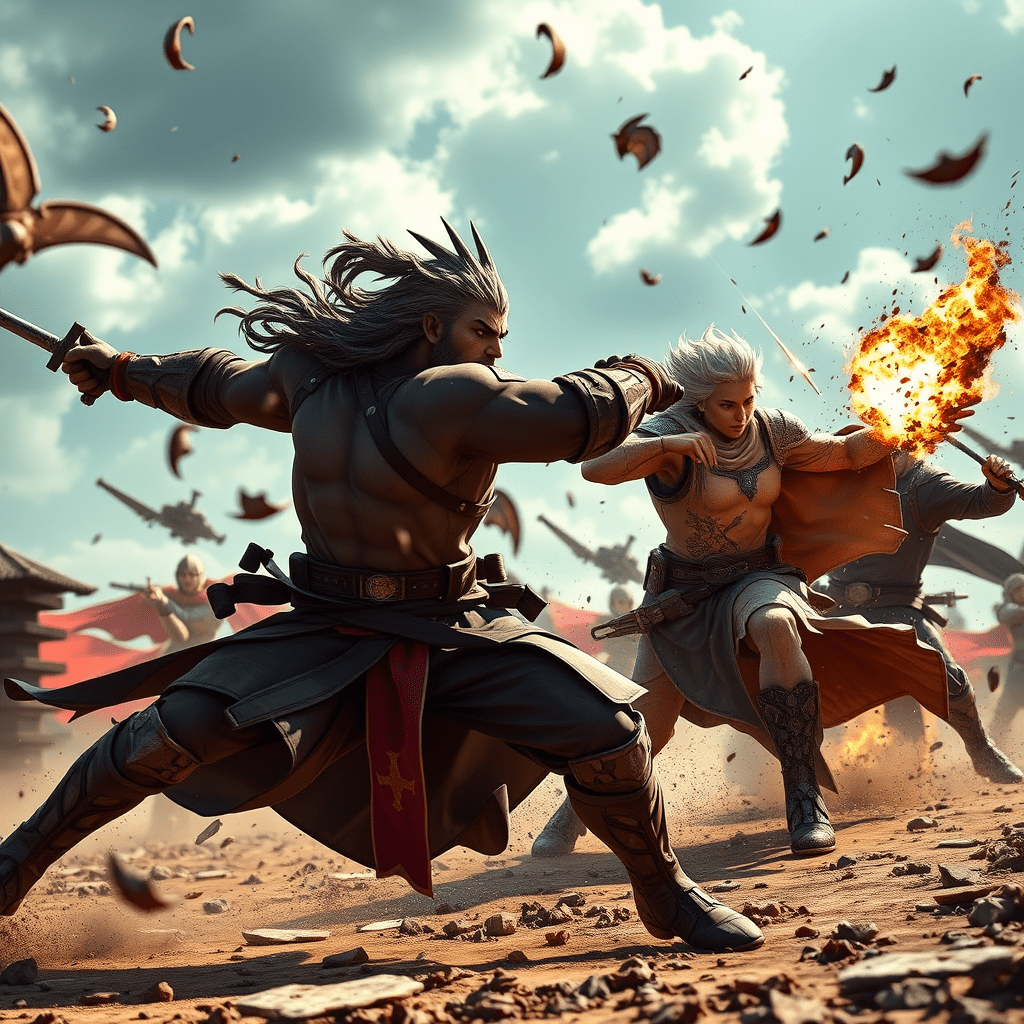
Hybrid Strategy Mechanics have become the cornerstone of many contemporary role‑playing games, seamlessly fusing the deliberative planning of turn‑based combat with the fluid intensity of real‑time action. By combining these opposing modes, designers can craft experiences that feel both strategic and visceral, offering players a richer, more dynamic pacing that keeps them hooked from the first encounter to the final boss. In this article we’ll dissect the core components of hybrid systems, examine standout titles, and discuss the design trade‑offs that make or break these ambitious experiments.
Why Hybrid Systems Matter in the RPG Landscape
Traditional turn‑based games, exemplified by Final Fantasy Tactics and Persona 5 Royal, reward meticulous calculation, positioning, and foresight. Real‑time titles such as Diablo IV and Cyberpunk 2077 deliver adrenaline‑filled action, requiring split‑second reflexes and environmental awareness. Hybrid mechanics seek to preserve the strengths of both while mitigating their weaknesses:
- Strategic Depth: Players can plan attacks, cast spells, and orchestrate team synergies.
- Engaging Flow: Real‑time action prevents combat from stalling, keeping adrenaline high.
- Dynamic Pacing: Players alternate between planning and execution, maintaining tension.
- Accessibility: Newcomers find a gentler learning curve, while veterans enjoy complexity.
Common Design Patterns in Hybrid Combat
While each game interprets hybridity uniquely, several recurring patterns emerge:
- Turn‑Based Phases with Real‑Time Execution: A common structure is a “turn” that consists of a planning stage (select actions, set priorities) followed by a real‑time run‑through where all actions play out simultaneously. Divinity: Original Sin 2 uses this, letting players see the outcome in real time before the next turn.
- Real‑Time with Pause (RT+P): The battle proceeds in real time, but the player can pause to issue commands or cast spells. Dragon Age: Inquisition employs this, offering a “command” phase that feels like a turn‑based queue.
- Dynamic Turn Timing: Certain actions or statuses can alter the length of a turn or trigger instant reactions. In Genshin Impact, “burst” abilities can be used out of turn, adding unpredictability.
- Simultaneous Turn Initiation: Every unit acts simultaneously, but the order is determined by speed or priority. Final Fantasy XV’s “New Battle” system incorporates this by allowing quick decision‑making within a fluid framework.
Case Studies: Hybrid Mechanics in Action
Divinity: Original Sin 2 – The Ultimate Tactical Playground
At its core, Divinity: Original Sin 2 is a masterclass in hybrid design. Each turn begins with a planning phase where players can set up intricate combos, stack spells, or assign defensive stances. When the “Execute” button is pressed, every action unfolds in real time, allowing for cinematic cross‑firing and dynamic environmental interactions. This structure grants the player a deep sense of control while retaining the chaotic energy of live combat.
Final Fantasy XV – Seamless Transition Between Turn‑Based and Real‑Time
With the “New Battle” system, FFXV offers a fluid blend. The battlefield remains a grid, but players can execute multiple attacks in one go, creating a hybrid that feels like a rapid turn‑based sprint. The game also introduces the “Active Combat” mode, which lets the player intervene mid‑action to reroute or stop attacks, blending tactical planning with real‑time responsiveness.
Genshin Impact – Turn‑Based Power with Real‑Time Execution
In Genshin Impact, the “Burst” mechanic represents a hybrid element. While the core combat is real time, bursts are powerful actions that can be used at any moment, often interrupting the flow. Players must decide the optimal timing, blending turn‑based decision making with real‑time execution. The result is a pacing that oscillates between thoughtful pauses and heart‑pounding action.
Cyberpunk 2077 – Pause‑Enabled Tactical Depth
“Cyberpunk 2077” uses the RT+P pattern extensively. In combat, the player can pause to issue orders, deploy tactical gadgets, or set up fire‑and‑forget attacks. The pause acts as a miniature turn‑based phase, but the overall flow remains real time. This approach encourages players to think on the fly while still offering strategic depth.
Hades – Real‑Time with Turn‑Based Tactical Layers
Although primarily a rogue‑like, Hades integrates a hybrid approach by allowing players to pause between waves to re‑equip or set up new strategies. Each “wave” acts as a turn, giving the player a chance to plan, then the game proceeds in real time. The resulting pacing feels both relentless and thoughtfully paced.
Design Challenges and Solutions
Creating a hybrid system is not a trivial undertaking. Designers must balance the tension between planning and action, prevent combat from feeling disjointed, and maintain a clear feedback loop. Below are common challenges and how successful games address them.
Maintaining Player Agency
Players often feel their decisions are overridden by the automatic execution phase. Divinity: Original Sin 2 solves this by allowing players to preview outcomes during the execution phase and by providing visual cues (e.g., highlighting the path of a spell). By giving players a window to adjust mid‑execution, the game preserves a sense of agency.
Feedback Timing and Clarity
Real‑time execution can blur the impact of individual actions. To counter this, titles such as Final Fantasy XV use distinct sound cues, particle effects, and camera focus to highlight each attack. This ensures players can easily attribute results to their planned actions.
Balancing Complexity and Accessibility
Hybrid systems risk alienating casual players. Genshin Impact manages this by offering optional “Burst” windows that can be used with minimal setup. The game also scales difficulty and introduces progressive tutorials that guide players through the hybrid mechanics.
Performance Considerations
Real‑time execution demands more computational resources than purely turn‑based systems. Developers often optimize by pre‑computing certain elements or using lightweight AI routines. For instance, Cyberpunk 2077 uses simplified enemy behavior during pause‑states to keep frame rates stable.
Future Directions: Where Hybrid Mechanics Are Heading
Hybrid combat is poised to evolve as technology advances. Potential developments include:
- Procedural Combat Layers: Integrating AI‑driven event generators that add emergent challenges during real‑time execution.
- AI‑Assisted Decision Making: Using machine learning to suggest optimal action sequences based on player history.
- Cross‑Platform Adaptation: Designing controls that fluidly shift between turn‑based and real‑time on mobile, console, and PC.
- Mixed Reality Integration: Leveraging AR/VR to immerse players in hybrid combat, blending strategic overlays with direct physical interaction.
These innovations promise to refine pacing further, making hybrid mechanics even more engaging and accessible.
Conclusion
Hybrid strategy mechanics represent a bold step forward in RPG design, blending the deliberate calculations of turn‑based combat with the pulse‑driven intensity of real‑time action. By carefully balancing planning, execution, feedback, and accessibility, developers create games that feel both thoughtful and exhilarating. As the genre continues to innovate, hybrid systems will likely become the default mode for RPGs that wish to offer players depth without sacrificing dynamism.
Ready to experience the next wave of hybrid combat? Dive into a title that masters this blend and feel the rush of strategy meet action.