Virtual Reality Team Building: Transforming Startup Culture for Greater Collaboration and Lower Turnover
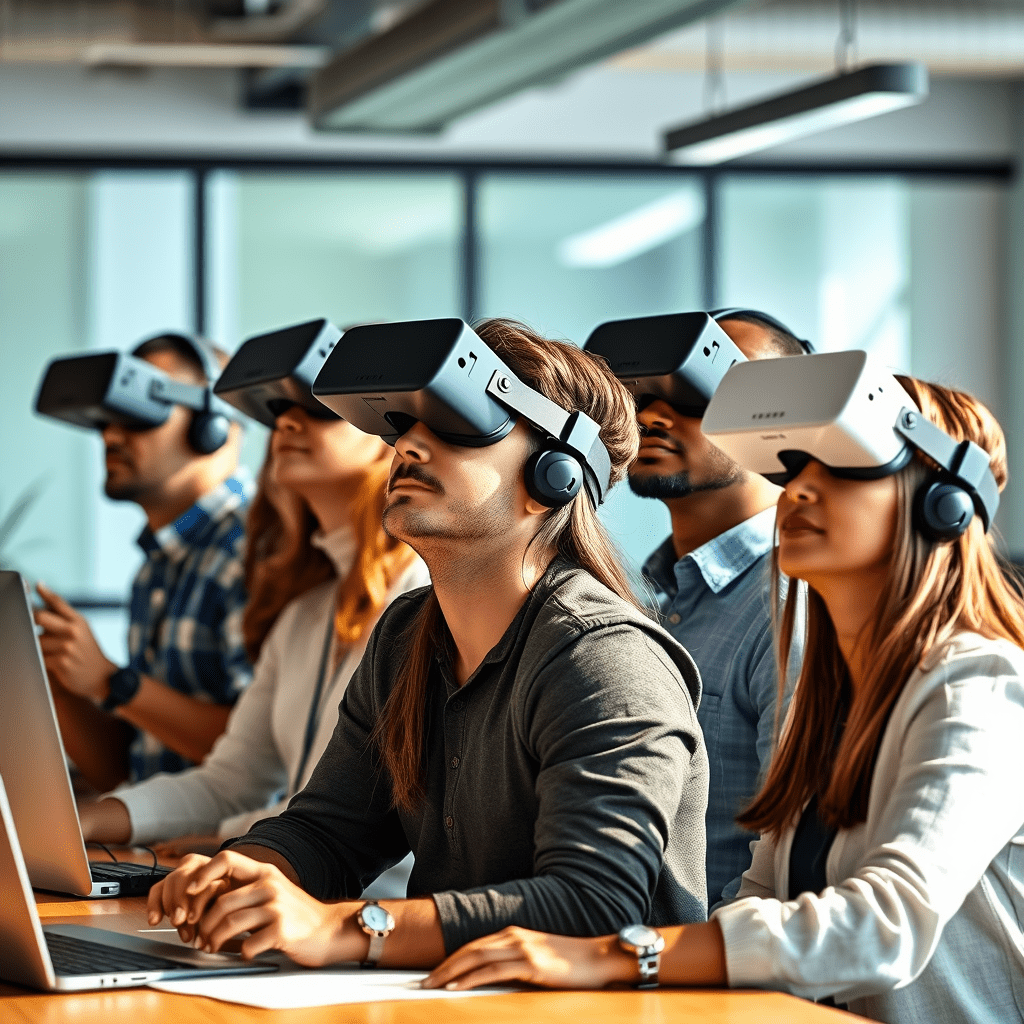
Virtual Reality Team Building is rapidly becoming the go-to strategy for tech‑savvy startups seeking to break free from conventional office rituals. By transporting employees into shared, three‑dimensional worlds, VR dissolves physical boundaries and fosters deeper interpersonal connections, which translates into more cohesive teams and a noticeable drop in employee churn.
Why Startups are Turning to VR for Team Building
Startups operate under intense pressure: rapid scaling, limited resources, and the constant need for innovation. Traditional team‑building events—picnics, escape rooms, or off‑site retreats—often fall short in aligning with the fast‑paced, hybrid work environments many founders now manage.
- Instant Connectivity: Employees can meet in a VR space from any location, making it ideal for distributed teams.
- Experiential Learning: Immersive scenarios trigger stronger memory retention compared to passive workshops.
- Data‑Driven Feedback: VR platforms capture real‑time interaction metrics that can be analyzed for continuous improvement.
Alignment with Startup Values
Startups prize transparency, agility, and continuous learning. VR facilitates these values by:
- Providing real‑time visual feedback on team dynamics.
- Encouraging iterative design through immediate prototyping of new collaboration strategies.
- Enabling rapid experimentation with novel work rituals.
Key VR Activities That Drive Collaboration
Not all VR experiences are created equal. Below are the most effective activities for strengthening teamwork while keeping engagement high.
Co‑Creation Sandbox
In a shared virtual studio, teams sketch, model, and iterate on product concepts together. Features such as collaborative 3D modeling, real‑time annotations, and version control help mirror the agile development cycle.
Problem‑Solving Adventure Quests
These narrative‑driven missions require cross‑functional squads to navigate challenges—think navigating a cyber‑attack scenario or building a prototype under time pressure—promoting strategic thinking and rapid decision‑making.
Virtual Office Tours
For remote hires, a VR walkthrough of the physical office can build a sense of belonging. It offers a first‑hand look at the workspace, allowing newcomers to mentally map their daily routine.
Wellness Retreats
Mindfulness and stress‑relief sessions in serene, nature‑inspired virtual environments help reduce burnout, a critical factor in retaining talent.
Measuring Success: ROI and Employee Engagement
Investing in VR requires a clear return‑on‑investment (ROI) framework. Here’s how to quantify the impact.
Turnover Reduction Metrics
Track the change in voluntary resignation rates before and after implementing VR team‑building initiatives.
Employee Engagement Scores
Use pulse surveys to capture qualitative feedback. Look for increases in metrics like “Sense of Belonging” and “Job Satisfaction.”
Productivity Benchmarks
Measure sprint velocity, bug resolution time, and feature delivery rates. Correlate these with VR session frequency to assess influence.
Practical Tips for Implementing VR Team Building
Choosing the Right Hardware
Balance quality with accessibility:
- Standalone Headsets: Oculus Quest 2 offers high performance without a PC, ideal for quick adoption.
- Desktop‑Based Systems: Valve Index or HTC Vive Pro deliver superior tracking for more complex simulations.
- Budget Options: Google Cardboard or Meta Go for smaller teams on a tight budget.
Designing Scalable Experiences
Start with modular modules that can be repurposed across departments:
- Create a base “Collaboration” module featuring role‑play scenarios.
- Add optional “Leadership” or “Design Thinking” layers on top.
- Use a plugin architecture so new content can be dropped in without overhauling the system.
Integrating with Existing Tools
Seamless data flow enhances adoption:
- Link VR analytics dashboards to Jira or Asana for automatic sprint updates.
- Embed voice‑over‑IP (VoIP) integration with Slack for real‑time communication.
- Synchronize calendar invites to auto‑schedule VR sessions.
Training and Onboarding
Offer a “VR Orientation” program for new hires and refresher courses for veterans. Ensure that all participants understand basic hand‑tracking, locomotion, and avatar etiquette.
Case Studies: Startups That’ve Thrived with VR
- CodeForge Labs: After introducing VR hackathons, they saw a 25% rise in cross‑team feature delivery and a 30% drop in staff turnover.
- GreenGrid: Implemented a virtual office tour for remote hires, reducing onboarding time by 40% and increasing early engagement scores.
- PulsePay: Leveraged VR wellness retreats to cut absenteeism by 18% and improved overall employee wellbeing metrics.
Future Trends: AI, Spatial Audio, and Beyond
VR team building is not static; emerging technologies promise even richer experiences.
AI‑Powered Moderation
Machine learning can detect tense moments in collaborative sessions and suggest interventions—like guided breathing exercises or prompt feedback prompts.
Spatial Audio Enhancements
Advanced spatial sound cues allow for nuanced conversations, fostering a more natural dialogue flow and reducing the “talk‑over” problem.
Mixed Reality Hybrid Models
Combining AR overlays with VR core experiences will let physical office environments be enriched with virtual data visualizations, bridging the gap between real‑world and virtual collaboration.
Conclusion
Virtual Reality Team Building is more than a novelty; it’s a strategic tool that aligns perfectly with the rapid, collaborative ethos of modern startups. By embracing immersive experiences, companies can strengthen interpersonal bonds, streamline workflows, and ultimately reduce turnover. The future of workplace culture is immersive, and startups that adopt VR early will set new standards for innovation and employee satisfaction.
Ready to elevate your team’s collaboration? Dive into VR today.