Hidden Galleries: How Community‑Run Museums Keep Forgotten Narratives Alive
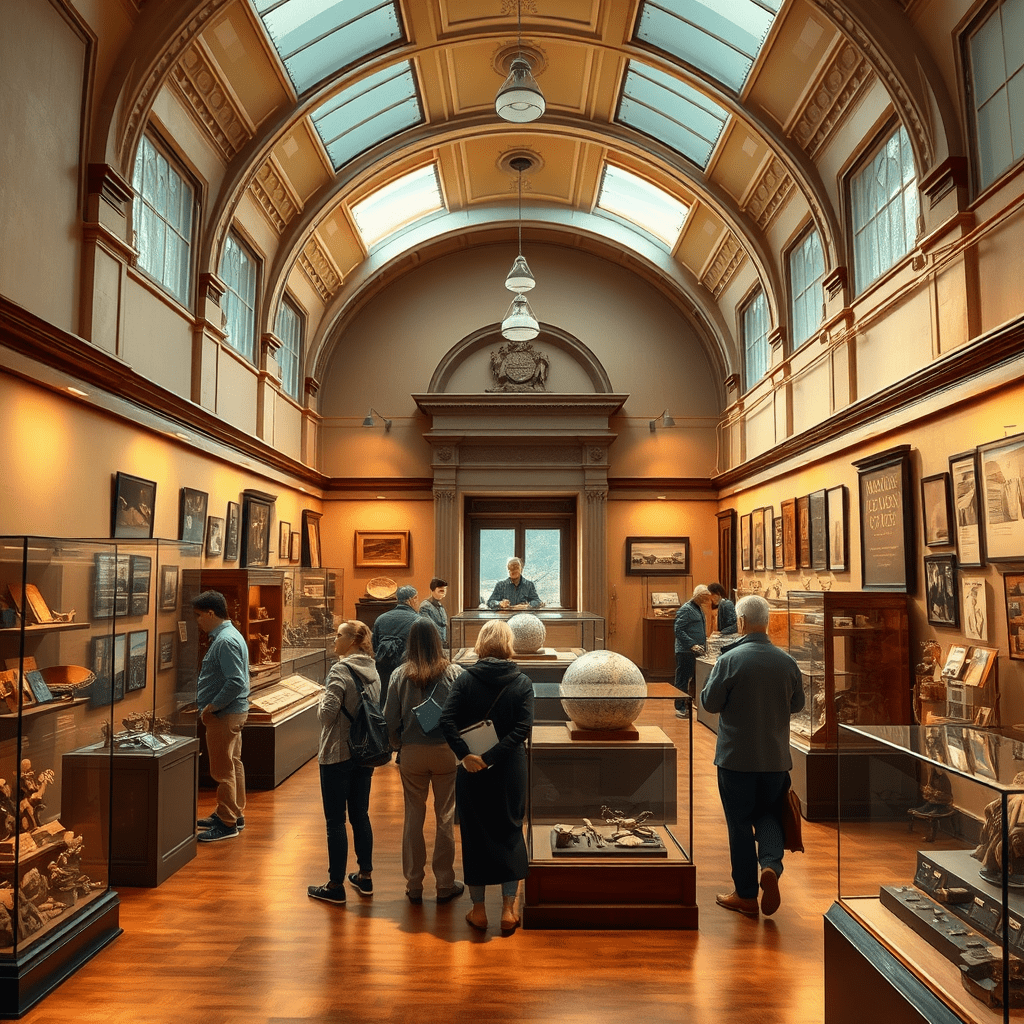
In a world where major museums dominate headlines, a quiet revolution is unfolding in the form of hidden galleries. These community‑run museums, tucked into rural townhouses, abandoned warehouses, and converted churches, preserve stories that mainstream institutions often overlook. By weaving local memories into the national tapestry, they challenge conventional narratives and invite travelers to become active curators rather than passive observers. Understanding their impact requires a closer look at how small museums shape identity, the stories they guard, and the opportunities they offer to curious visitors.
The Power of Small Museums in Shaping National Identity
Local Stories, National Threads
National identity is rarely a monolithic concept; it is built from countless local threads. Small museums curate these threads, offering visitors an intimate view of how a community’s past influences contemporary life. Whether it’s a former textile mill in the Midwest that chronicled the rise of industrial labor or a coastal village’s maritime artifacts, each hidden gallery connects personal histories to broader cultural movements.
Building Trust and Authenticity
Unlike large institutions that may rely on curated exhibitions and high budgets, community museums operate with a sense of ownership. Residents often donate artifacts, share oral histories, and volunteer their time. This grassroots involvement produces exhibitions that feel authentic, inviting visitors to question and engage rather than simply consume. The resulting trust between museum and audience encourages deeper exploration of the nation’s collective story.
Five Hidden Gems Across the Country
1. The Willow Creek Textile Museum – Rural Ohio
Housed in a refurbished 19th‑century factory, the Willow Creek Textile Museum showcases the region’s silk and cotton production. Visitors can trace the evolution of labor practices through interactive looms, handwritten factory ledgers, and a living archive of workers’ songs. Travelers are encouraged to try a simple weaving technique, thereby becoming living storytellers of an industrial era that shaped the Midwest’s economy.
2. The Lighthouse Heritage Center – Coastal Maine
Located in an old maritime museum on a cliffside, this hidden gallery preserves the lives of lighthouse keepers and their families. The exhibit includes personal diaries, nautical charts, and a replica of a lantern room. Guided night tours let visitors experience the isolation and resilience of early coastal communities. The center’s volunteer program allows travelers to help curate new exhibits based on visitor feedback, blending preservation with fresh perspectives.
3. The Pueblo Pueblo – Southwest Arizona
At the edge of the Sonoran Desert, The Pueblo Pueblo is an art space founded by local Native American artists. It displays textiles, pottery, and digital installations that reflect the region’s indigenous heritage. Importantly, the museum actively collaborates with tribal elders to ensure cultural accuracy. Visitors can participate in weaving workshops, learning techniques that have survived centuries and becoming ambassadors of the craft.
4. The Railway Hall – Vermont
In the heart of a small train town, this hidden gallery chronicles the decline of passenger rail service in the United States. Exhibits feature preserved carriages, original schedules, and the oral histories of stationmasters. The museum’s “Build a Train” program invites travelers to design a miniature locomotive on a digital platform, allowing them to explore transportation history creatively.
5. The Coffeehouse Archive – Portland, Oregon
Set inside a vintage coffee shop, this museum celebrates the local coffee culture that has become a national phenomenon. Artifacts include old roasting equipment, handwritten recipe cards, and early coffee advertising posters. Visitors can participate in coffee tastings paired with curated exhibits, becoming part of the living story that traces the journey from bean to cup.
How Travelers Can Become Curators
Volunteer Opportunities
Many hidden galleries rely on volunteers for cataloging, guided tours, and event planning. A few hours of service can grant travelers an insider’s view of curation processes. For example, at the Willow Creek Textile Museum, volunteers help digitize hand‑written ledgers, making them accessible to a wider audience. This hands‑on experience demystifies museum operations and empowers visitors to contribute meaningfully.
Digital Engagement
Community museums increasingly use digital tools to broaden reach. Mobile apps offer audio guides, interactive maps, and crowd‑sourced storytelling sections where visitors can upload their own memories related to the exhibit. Travelers can upload photographs of their own hometown artifacts, thereby expanding the museum’s narrative network. The result is a living archive that evolves with every new contribution.
Challenges and Opportunities
Funding and Sustainability
Small museums often operate on tight budgets, relying on grants, donations, and ticket sales. Innovative fundraising—such as “curator for a day” sponsorships, community bake sales, or pop‑up exhibitions—helps maintain operations. However, sustaining such initiatives requires a dedicated community that sees the museum as an essential part of local identity.
Technology and Preservation
Balancing traditional preservation techniques with modern technology is a delicate task. Digitizing artifacts preserves them for future generations while allowing interactive experiences today. Yet, technology can be intimidating for volunteers without training. Many hidden galleries address this by offering short workshops on basic digital skills, fostering inclusivity and long‑term sustainability.
Conclusion
Hidden galleries run by communities are more than quaint attractions; they are living laboratories where forgotten narratives are revived and reimagined. By inviting travelers to step into the curator’s shoes—whether through volunteering, digital participation, or hands‑on workshops—these museums forge a deeper connection between visitors and the nation’s cultural heritage. The next time you plan a trip, consider a hidden gallery; you may find that the most memorable stories are those that emerge from a place where everyone is both storyteller and audience.
Ready to explore the untold stories? Find a hidden gallery near you and become a curator today.