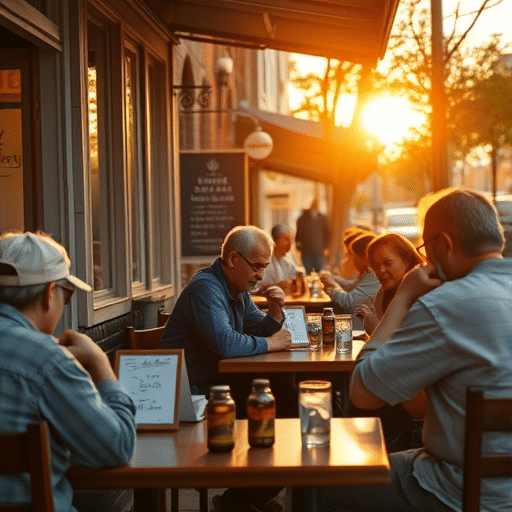
Sleep in a Co‑Living Space for Free While Exploring New Cities: A Guide to Community‑Based Accommodation and Authentic Neighborhoods
If you’re a budget traveler, digital nomad, or simply someone who loves a deeper connection to a city, the idea of staying in a hotel can feel limiting and expensive. What if you could sleep in a co‑living space for free, participate in local events, and experience a city’s everyday life? This guide shows you how to find community‑based accommodation, plan your stay, and immerse yourself in authentic neighborhoods while keeping your travel budget low.
Why Sleep in a Co‑Living Space for Free?
- Cost Savings – Free sleeping arrangements mean you can allocate your travel budget to food, experiences, and transportation.
- Community Connections – You’ll meet locals, travelers, and volunteers who can share insider tips and invite you to events you’d otherwise miss.
- Authentic Experience – Living in a neighborhood instead of a hotel gives you a true feel for the city’s rhythm, culture, and hidden gems.
- Flexibility – Most community‑based stays are short‑term or rolling, allowing you to adjust your itinerary on the fly.
What Are Co‑Living Spaces?
Co‑living spaces are intentional, community‑driven living arrangements. They range from hostels that offer “room‑sharing” with a free overnight for volunteers, to “house‑swap” platforms where you can stay in someone’s home in exchange for helping out. In many cases, a small stipend or barter system covers your stay, freeing you from traditional lodging costs.
How to Find Free Co‑Living Spaces
Finding free or low‑cost co‑living spots requires a bit of research, but the payoff is worth it. Below are the most reliable methods.
1. Volunteer‑Based Hospitality Platforms
Platforms like Workaway, HelpX, and WWOOF connect travelers with hosts who provide accommodation in exchange for a few hours of work. Typical tasks include gardening, cooking, cleaning, or helping with childcare.
- Pros: Free lodging, cultural immersion, volunteer experience.
- Cons: Work expectations may vary; requires a commitment of time.
2. House‑Swap Networks
House‑swap sites such as HomeExchange allow you to trade homes with another traveler. While most swaps are paid, many users offer “free swaps” to new members or in exchange for hosting a short stay.
- Pros: Privacy, kitchen access, no hotel fees.
- Cons: Requires a matching home, can be difficult to secure a swap on short notice.
3. Community Co‑Living Projects
Some cities host community co‑living projects that welcome travelers. These are often organized by local NGOs or social enterprises and aim to promote cultural exchange and sustainable tourism.
- Examples: Stay In the City in Barcelona, Rural Retreats in Tuscany, Digital Nomad Co‑Living in Chiang Mai.
- Pros: Structured programs, community events, often includes local guides.
- Cons: Availability may be limited; often requires advance booking.
4. Online Communities and Social Media Groups
Reddit threads, Facebook groups, and Discord servers dedicated to budget travel or hostels often share listings for free co‑living opportunities. Look for threads titled “Free Hostel Work Exchange” or “Co‑Living in [City].”
- Be proactive: join groups early, introduce yourself, and ask for recommendations.
- Always verify host credibility and check for reviews.
Planning Your Stay: Tips for a Smooth Experience
1. Communicate Clearly
Before committing, discuss the exact work hours, tasks, and expectations. This ensures you’re not surprised by a sudden 12‑hour shift or a task you’re uncomfortable with.
2. Bring the Right Gear
- Travel backpack (15-20L) with a small sleeping bag or blanket.
- Reusable water bottle and a compact water filter.
- Lightweight clothing suitable for the climate.
- Basic hygiene items: toothbrush, toothpaste, travel soap.
3. Maintain Digital Presence
Keep a journal or blog about your experiences. Not only does it help you process the day’s events, but it also builds credibility for future hosts.
4. Budget Wisely
- Free lodging = free meals (but you might want to try local street food). Plan a daily food budget of $10–$15.
- Set aside $5–$10 for local transportation like buses or bike rentals.
- Allocate a small emergency fund for unexpected expenses.
Local Events: Turning Free Stay into Immersive Exploration
Many co‑living hosts are intimately involved in their neighborhoods. They often host or know about local events, festivals, and hidden spots. Use these to deepen your city experience.
1. Community Markets and Street Fairs
Farmers’ markets, flea markets, and craft fairs are the lifeblood of local neighborhoods. Check the host’s calendar or ask about the best time to visit.
2. Cultural Workshops and Classes
Many co‑living spaces offer cooking classes, dance lessons, or language exchange sessions. Participating not only enriches your knowledge but also strengthens ties with locals.
3. Neighborhood Festivals and Celebrations
Festivals such as street carnivals, music jams, or holiday parades often take place in the exact area where you’re staying. Hosts can guide you to the front row or even invite you to join a community potluck.
4. Guided Tours by Locals
Ask your host if they run or know of any “hidden gem” tours. These are often free or donation‑based and focus on lesser‑known attractions rather than the usual tourist spots.
Safety and Etiquette Tips
- Respect Privacy – If the host’s house is shared with others, follow house rules and maintain a quiet environment.
- Work Hours – Stick to the agreed hours and notify the host if you need to adjust.
- Secure Your Belongings – Even in co‑living, keep valuables in a lockable bag or use a hostel lockbox.
- Leave a Good Impression – Clean up after yourself, return tools and supplies, and leave a thank‑you note.
Real‑Life Stories: How Free Co‑Living Changed My Trips
Here are a few anecdotes from travelers who embraced free co‑living and the perks that followed.
Case 1: Backpacking Through Southeast Asia
Sarah spent three months in Thailand, Vietnam, and Cambodia by working three hours a day at local hostels. She saved over $1,200 in lodging, which she spent on a cooking class in Bangkok and a cycling tour in Chiang Rai. “I met people who would otherwise never have been on my path,” she says.
Case 2: Digital Nomad in Europe
Mark, a freelance graphic designer, signed up with a co‑living community in Lisbon. He swapped his design services for a free room and ended up attending a local tech meetup and a Portuguese wine‑tasting evening. “The networking opportunities alone were worth the work,” he notes.
Case 3: Cultural Immersion in Latin America
Lina worked at a community garden in Oaxaca, where she learned to make mole sauce. She also attended a traditional mezcal festival with the host’s family, an experience she would never have discovered on a typical tourist itinerary.
Conclusion
Sleeping in a co‑living space for free while exploring new cities is more than a cost‑saving hack; it’s a gateway to authentic living. By leveraging volunteer platforms, house‑swap networks, and local communities, you can experience neighborhoods as locals do, participate in events that shape the city’s culture, and build meaningful connections—all while keeping your travel budget lean.
Ready to start your next adventure? Reach out to a host, pack light, and let the city welcome you into its everyday life.