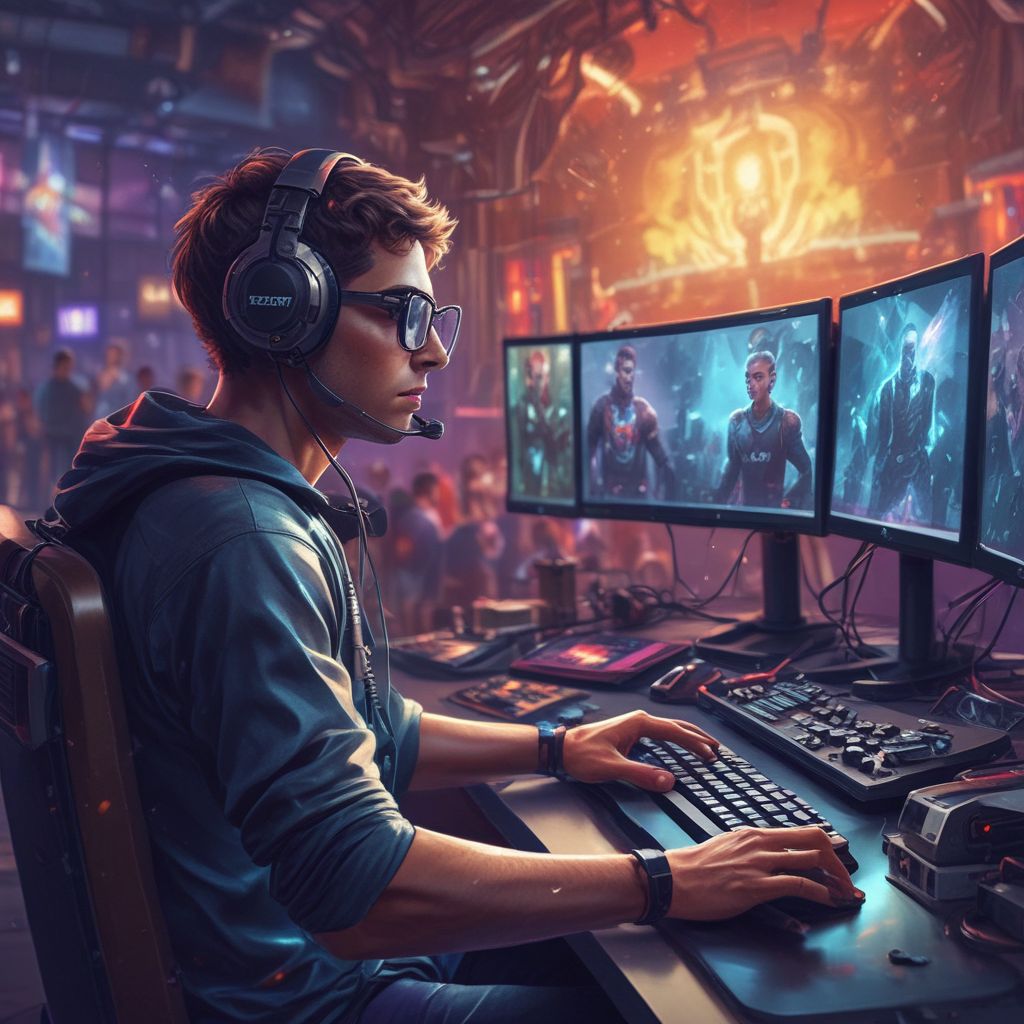
The term “Director streamer” is quickly becoming shorthand for a new breed of solo caster who uses real-time AI camera work to deliver cinematic, multi-angle esports tournaments. What used to require a truck full of production staff—camera operators, a technical director, and switchers—can now be handled by one person with the right software, hardware, and an AI “director” that composes, crops, and switches live feeds. This article unpacks the technical tools enabling that shift and explores what this means for leagues, sponsors, and the audience experience.
What is a “Director” Streamer?
A “Director” streamer is a content creator who leverages AI-driven camera automation and live production tools to perform the tasks of a traditional broadcast director in real time. Instead of manually switching between camera feeds, the streamer interacts with an intelligent system that recommends shots, frames players dynamically, and can even generate virtual camera moves—creating a cinematic feel without a full crew.
Key components of the director-streamer setup
- Multi-angle capture: Multiple in-game POVs, player webcams, and remote spectator feeds.
- Real-time AI director: Algorithms that detect action, focus on faces or gameplay events, and suggest or auto-execute cuts.
- Low-latency cloud routing: Edge servers and optimized encoders to minimize delay between source and broadcast.
- Composer UI: A single dashboard where the streamer can accept AI choices, override them, or apply cinematic filters.
How the Tools Work: Inside the AI Camera Kit
Modern director-streamer systems combine computer vision, audio analysis, and heuristic rules to mirror a human director’s intuition. Computer vision recognizes where the action is—whether that’s a clutch fight, an objective capture, or a player reaction—while audio cues help the AI prioritize feeds. Advanced tools then automatically frame subjects using virtual pan/zoom, stabilize shaky webcam shots, and blend overlays for picture-in-picture storytelling.
Real-time processing pipeline
- Ingest: Multiple RTMP/SRT streams or native game-state SDKs.
- Analysis: Frame-by-frame object detection, face recognition, and event tagging.
- Decision: Scoring models rank candidate shots based on viewer interest and narrative flow.
- Output: Automated switching, with options for human-in-the-loop confirmation or full auto-direct mode.
What This Means for Solo Casters and Creators
Director streamers reduce the barrier to professional-grade production. An experienced caster can now run a multi-camera broadcast from a bedroom studio, focusing on commentary and storytelling while the AI handles camera choreography. This democratizes high-quality esports coverage, enabling smaller tournaments and community events to look polished and engaging.
Practical benefits
- Lower production costs—fewer personnel and less rental equipment.
- Faster setup—reduced coordination time and simpler workflows.
- Scalability—one skilled streamer can cover many concurrent matches with consistent quality.
Implications for Leagues and Sponsors
For leagues, director streaming offers an opportunity to expand coverage and experiment with new formats without major capital investment. Sponsors benefit from more dynamic ad placements—AI-driven camera work can proactively show branded overlays at peak moments, create sponsor-focused close-ups, and optimize ad timing based on live engagement signals.
How sponsors gain value
- Contextual placements: AI can surface sponsor assets when viewer attention is highest (clutch moments, celebrations).
- Performance metrics: Integrated analytics tie specific camera choices and moments to engagement and conversions.
- Personalization: Ads and overlays can be tailored to audience segments in real time.
Viewer Engagement: More Cinematic, Less Static
Director streamers change the viewing experience from a static single-feed watch to a dynamic, cinematic narrative. The AI director can highlight face-cams during emotional moments, focus on mini-map action when strategy matters, and deliver cinematic replays automatically—keeping viewers engaged and increasing average view times. Interactive overlays and multiple “director” modes (e.g., cinematic, tactical, player-focused) let viewers choose how they want to consume a match.
Challenges and Considerations
Despite the promise, several challenges must be addressed for widescale adoption.
- Latency and synchronization: Ensuring low-latency feeds and time-synced multi-angle playback is critical for fairness and viewer experience.
- Creative control: Balancing AI automation with human taste and narrative judgment remains necessary—algorithms lack full storytelling nuance.
- Ethical and rights issues: Player consent, camera rights, and commercial usage of generated content require clear policies.
- Monetization complexity: Attribution models for sponsor exposure in dynamically generated shots need standardization.
Early Adopters and Case Studies
Several grassroots leagues and indie tournament organizers have piloted director-streamer workflows: community LANs using automated replays, collegiate leagues employing single-caster broadcasts, and content creators monetizing cinematic highlight reels at scale. These pilots show higher viewer retention and more polished highlight packages with far smaller budgets than traditional broadcasts.
Practical Steps for Creators and Leagues
Getting started doesn’t require cutting-edge hardware—prioritize good capture, reliable uplink, and a director-capable platform that supports low-latency ingest and human-in-the-loop control.
- Test multi-angle capture with SRT or NDI to reduce latency.
- Use a cloud-based AI director or a local GPU for real-time CV tasks.
- Design sponsor integrations that work within automated shot logic.
- Train the AI with custom rules to reflect the game’s narrative dynamics.
Looking Ahead: Where the Director Streamer Trend Is Headed
As AI models improve and cloud infrastructure matures, director streamers will become a standard broadcast option. Expect hybrid productions—small crews plus AI directors—alongside fully automated streams for casual and long-tail events. For leagues and sponsors, the key will be embracing flexible production models while maintaining brand safety and narrative quality.
Conclusion: The director streamer movement is democratizing broadcast-grade production by combining real-time AI camera work with single-operator workflows, reshaping how tournaments are presented, monetized, and experienced. Early adopters are already seeing better engagement and lower costs, but success will depend on solving latency, rights, and creative control challenges.
Ready to explore director-style production for your next event? Try a pilot with a single caster and an AI director mode to see the difference in viewer engagement.