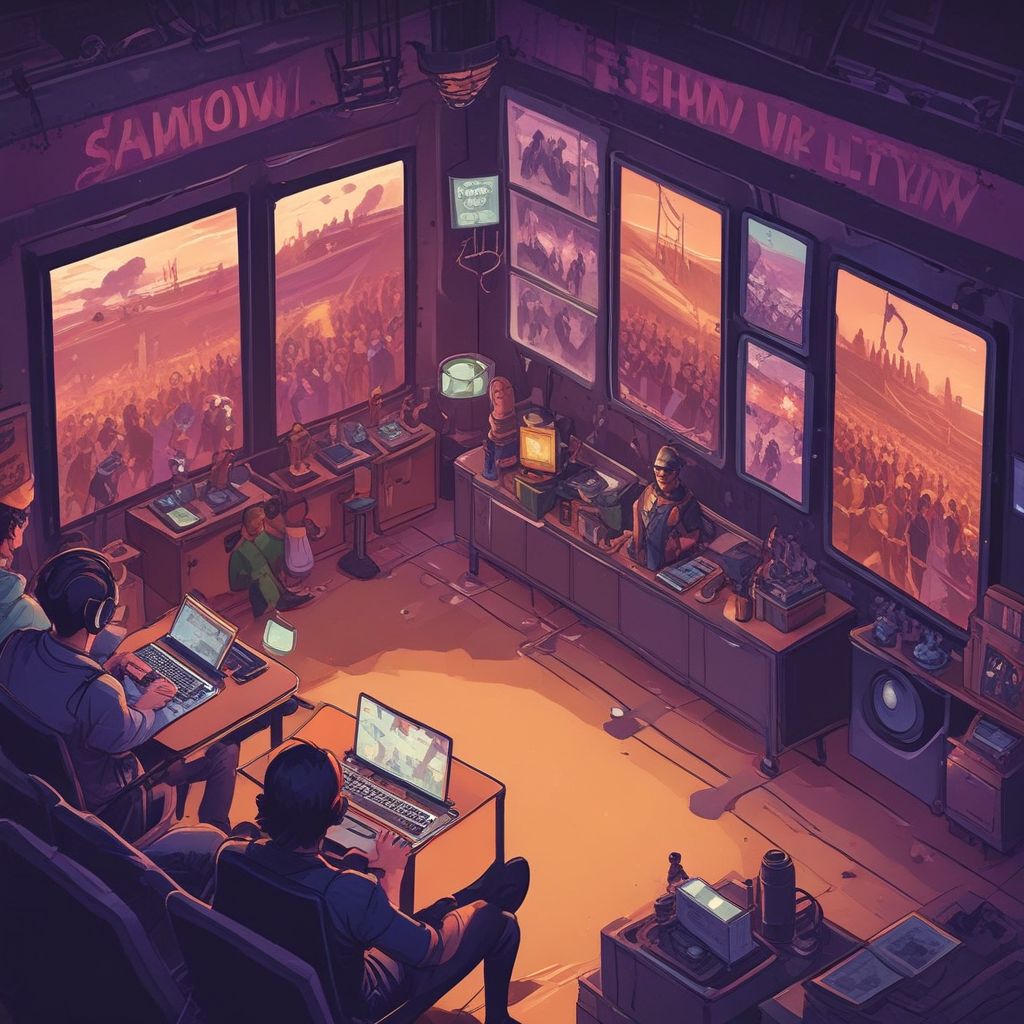
The Shadow League is no niche whisper anymore — it’s the emerging ecosystem of secondary streaming platforms staging pro-level tournaments and poaching talent, sponsors, and viewers from Twitch and YouTube. In this article, explore how these under-the-radar platforms are building competitive scenes, the incentives driving players and organizations to jump ship, and what broadcasters, sponsors, and fans need to know about the next chapter of esports distribution.
What is The Shadow League?
The Shadow League refers to the constellation of smaller or newer streaming platforms, tournament hosts, and community-run broadcast networks that operate alongside (and sometimes underneath) mainstream services like Twitch and YouTube. They range from invite-only tournament hubs and regionally focused platforms to white-label broadcasters and decentralized streaming setups that aggregate viewers across social channels.
Unlike the dominant incumbents, these platforms prioritize flexibility, direct revenue splits, and experimental event formats — creating fertile ground for pro-level tournaments that might be too risky or niche for larger platforms to support.
Why secondary platforms are suddenly competitive
1. Better creator economics
Smaller platforms often offer more aggressive revenue splits, early monetization options, or flat appearance fees for pro talent. That direct economics is a major lure: when a top competitor can secure guaranteed payouts and sponsorship matchbacks, it reduces the financial risk of playing outside the major ecosystems.
2. Fast iteration and bespoke production
Without corporate red tape, smaller hosts can experiment with formats, overlays, and interactivity. Producers can trial innovations like dynamic regional brackets, real-time betting integrations, or community-driven camera control — features that make tournaments feel fresh and can increase viewer retention.
3. Niche and regional focus
Not every competitive scene needs global scale. Platforms that focus on specific regions, playstyles, or legacy titles can cultivate passionate, engaged audiences. That concentrated attention often translates into higher viewership per match and stronger local sponsor interest.
4. Sponsor and brand agility
Brands are attracted to secondary platforms because they can negotiate bespoke activations without competing with hundred‑million-viewer broadcasts. Sponsors can target narrower demographics, test creative integrations, and see clearer attribution for their campaigns.
How pro-level tournaments are produced outside the spotlight
Producing a professional tournament off the mainstream stage requires three core capabilities: reliable tech, credible competitive integrity, and spectacle. Here’s how smaller operators deliver on each:
- Reliable tech stacks: Many secondary hosts stitch together cloud-based encoders, CDN partners, and reserve fallback streams to ensure stable delivery. They may also integrate audience chat from multiple platforms to maximize reach.
- Competitive integrity: Organizers hire regional referees, use robust anti-cheat measures, and partner with respected tournament admins to build legitimacy quickly.
- High-production value on a budget: Creative use of overlays, remote commentator kits, and modular camera packages lets organizers produce broadcasts that feel polished without the price tag of a stadium production.
Talent pipelines and community ecosystems
One of The Shadow League’s strengths is how it reconfigures talent pathways. Instead of funneling all creators through a single ladder, the ecosystem forms multiple entry points:
- Small-scale qualifiers streamed on niche channels feed into mid-tier events on secondary platforms.
- Content creators who build followings off-platform can become event hosts or casters with little bureaucracy.
- Community teams and grassroots organizers gain visibility through sponsorships and platform-curated showcases.
These pipelines are mutually reinforcing: tournaments find talent, talent builds audiences, and audiences attract sponsors — forming a sustainable loop outside the attention monopolies.
Why sponsors and orgs are placing strategic bets
Major organizations and sponsors are hedging — not abandoning the big platforms but diversifying exposure. Secondary platforms offer:
- Lower cost per engaged viewer for targeted activations;
- Experimentation ground for new content formats and product integrations;
- Access to regional markets and underrepresented titles with strong community loyalty;
- Shorter negotiation cycles and clearer ROI measurement for campaign pilots.
This pragmatic approach lets brands allocate small percentages of their marketing budgets to test creative activations, with the upside of discovering high-ROI channels before competitors do.
Risks and friction points to watch
The Shadow League is not without challenges. Organizers and participants should weigh:
- Discoverability: Fragmented audiences mean that even well-produced events can struggle to scale views beyond the core community.
- Monetization volatility: New platforms can change revenue rules quickly as they evolve their business model.
- Longevity: Some second-tier platforms may be short-lived; stability matters when contracts and player careers are on the line.
- Brand safety and regulation: Smaller platforms may have inconsistent content moderation or unclear IP policies, which complicates sponsor relationships.
Practical advice for stakeholders
For players and teams
- Weigh guaranteed payouts and exposure; short-term windfalls should be balanced with long-term career growth.
- Retain clear contractual terms on image rights, streaming exclusivity, and sponsor obligations.
For organizers
- Invest in reliable production and transparent rules; credibility is your most valuable currency.
- Leverage cross-platform promotion and partner with community creators to amplify reach.
For sponsors
- Start with pilot activations; measure engagement and incremental audience rather than raw impressions.
- Prioritize partnerships with organizers who can demonstrate competitive integrity and measurable attribution.
The future: coexistence, not replacement
The Shadow League is reshaping where and how competitive gaming reaches fans, but it isn’t poised to replace Twitch or YouTube overnight. Instead, expect a more pluralistic distribution landscape where major platforms remain central for scale, and smaller platforms act as innovation labs — incubating new formats, regional scenes, and revenue models that eventually inform broader industry practices.
For fans, this means a richer variety of tournaments and storylines; for creators, more negotiation power; and for sponsors, greater choice in how to invest in esports’ next growth phases.
Conclusion: The Shadow League represents an important evolution in esports distribution — a decentralizing force that creates opportunities and challenges for every player in the ecosystem. As the scene matures, the smartest stakeholders will diversify where they play, produce, and advertise, treating secondary platforms as strategic complements rather than curiosities.
Discover the tournaments shaping the next era of competitive streaming — follow a few Shadow League events this month and note how the formats, talent, and sponsor activations differ from the mainstream.