The journey from writing your initial commit on a small bug fix to building a portfolio that genuinely impresses hiring managers is shorter than most developers think. In 2026, open source contributions have moved far beyond being a nice extra on a résumé. Recruiters, engineering leads, and technical founders actively scan GitHub profiles, public activity dashboards, and contribution graphs to evaluate how candidates think, collaborate, and ship code. The key is understanding how to shape raw contributions into a coherent story that signals you are ready for professional software work.
This guide walks through a practical path that turns casual open source participation into a deliberate, recruiter-friendly portfolio. Rather than chasing stars or vanity metrics, the focus is on demonstrating the qualities employers actually hire for: clear reasoning, consistent collaboration, and the ability to deliver maintainable code.
Why Open Source Has Become the Default Portfolio in 2026
Hiring practices in the software industry have shifted dramatically over the past few years. Traditional portfolio sites still exist, but they often feel disconnected from real workflows. Hiring managers want to see how candidates navigate actual repositories, respond to feedback, and interact with maintainers. A public commit history answers all of those questions at once.
- Collaboration signals: Pull request reviews, issue discussions, and merge patterns reveal how you communicate under technical pressure.
- Code maturity: Style, testing habits, and documentation choices become visible across multiple files and projects.
- Consistency: Contribution graphs and commit frequency provide a low-effort signal for discipline and long-term interest.
- Domain exposure: Working on different repositories demonstrates adaptability across languages, frameworks, and problem spaces.
What makes this especially valuable in 2026 is the rise of AI-assisted development. Recruiters are increasingly looking past raw code volume and focusing on how candidates guide, review, and refine AI-generated suggestions. Open source work offers a transparent record of that process.
Choosing the Right Repositories for Portfolio Impact
Not every contribution carries the same weight. Adding a typo fix to a massive repository is rarely memorable, but a thoughtful improvement to documentation, tests, or developer tooling can tell a much richer story. The goal is depth in a few areas, not scattered shallow activity.
Target Repositories That Match Your Career Direction
Begin by identifying projects that align with the type of role you want. If your goal is backend engineering, contributing to a popular API framework, database tool, or infrastructure library carries more narrative value than a frontend-only contribution. If you are aiming for a role in developer experience, focus on repositories with strong documentation cultures and active community channels.
Quality indicators to look for include responsive maintainers, clear contributing guidelines, structured issue triage, and a healthy mix of contributors rather than a single dominant voice.
Build Around Two or Three Anchor Projects
Recruiters rarely scroll through dozens of repositories. Anchor your portfolio around two or three projects where you have meaningful history. A pull request that fixes a subtle edge case, paired with thoughtful follow-up commits during review, can outweigh fifty drive-by contributions. The depth demonstrates ownership and the ability to see work through to completion.
Structuring Contributions to Tell a Clear Story
Once you have chosen anchor projects, shape your contributions so they communicate intent. This is not about gaming the system. It is about making sure your work is legible to someone who has never met you and is reviewing your profile in a few minutes.
Write Commit Messages That Explain the Why
Commit messages are often the first code-adjacent writing sample recruiters encounter. Vague messages like “fix stuff” or “update file” obscure your reasoning. Clear messages such as “Handle empty input in date parser to prevent downstream crash” give insight into your debugging process and your awareness of system impact.
Document Your Pull Requests Like Mini Case Studies
A well-written pull request description reads like a short engineering note. State the problem, explain your approach, mention any tradeoffs, and reference relevant issues or discussions. Even a small change becomes more impressive when it shows structured thinking. Over time, these descriptions accumulate into a body of work that demonstrates professional communication habits.
Engage With Reviews and Discussions Publicly
How you respond to feedback is just as visible as the code itself. Thoughtful replies that acknowledge suggestions, ask clarifying questions, or propose alternatives signal collaboration maturity. Avoid disappearing after submitting a pull request. Stay engaged, refine your work, and let the conversation play out in public. That history becomes part of your portfolio as much as the code does.
Beyond Code: Showcasing the Full Engineer
Technical contribution is only part of the picture. In 2026, employers increasingly value developers who can explain decisions, mentor others, and contribute to project direction. Open source offers natural avenues to demonstrate these skills.
Write Technical Blog Posts Tied to Your Contributions
A short blog post explaining a bug you fixed or a feature you implemented adds context that a commit log cannot capture. Recruiters appreciate seeing how you frame problems and teach concepts, and the post itself becomes an indexed artifact linked back to your work. Keep posts focused, well-structured, and free of unnecessary jargon.
Help Triage Issues and Mentor New Contributors
Answering beginner questions, labeling issues, or helping reproduce bug reports may not feel like “real coding,” but it demonstrates leadership and communication. These activities often appear in contribution timelines and can be referenced during interviews as evidence of community involvement.
Curate a Personal README That Frames Your Work
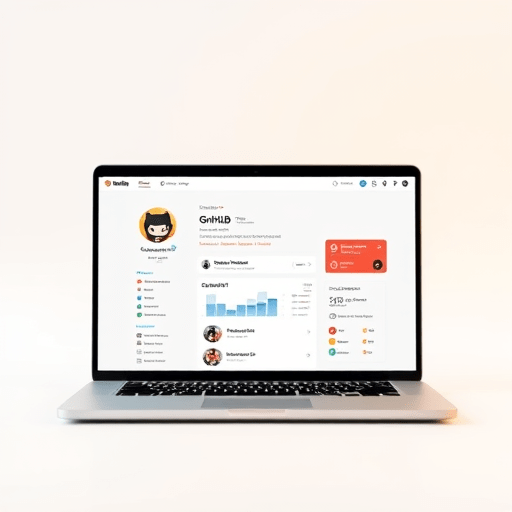
Your GitHub profile README is a small but powerful piece of real estate. Use it to summarize your focus areas, link to anchor projects, highlight a few notable contributions, and briefly state what you are looking for. Treat it as an introduction rather than a résumé. Keep it concise and update it as your work evolves.
Common Mistakes That Undermine an Open Source Portfolio
Even strong contributors can weaken their portfolio with a few avoidable habits. Being aware of these pitfalls helps you maintain a profile that supports your goals rather than obscures them.
- Overcommitting to low-impact fixes: A flood of trivial changes can dilute meaningful work and make profiles harder to read.
- Ignoring repository norms: Bypassing contribution guidelines or skipping tests signals that you may need retraining in professional environments.
- Abandoning projects after merging: Disappearing after a pull request lands suggests a short attention span and may concern hiring managers.
- Neglecting profile polish: Outdated READMEs, broken links, or missing pinned repositories waste the limited attention recruiters give to your profile.
Avoiding these mistakes is often more impactful than adding new activity. Quality and clarity compound over time.
Measuring Progress Without Obsessing Over Metrics
It is tempting to watch stars and follower counts climb, but they rarely correlate with job readiness. Instead, focus on metrics that reflect growth and engagement. Track the number of substantial pull requests merged, the diversity of projects you have touched, and the depth of discussions you have participated in. Reflect periodically on whether your contributions are moving you closer to the kind of work you want to do professionally.
In 2026, many developers also use AI tools to summarize their own contribution history, identify gaps in language or framework exposure, and suggest next steps. Used thoughtfully, these tools can help you spot blind spots without turning your portfolio into a purely automated output.
Turning open source work into a job-ready developer portfolio is less about chasing visibility and more about crafting a clear, honest record of how you build software. Each meaningful commit, each thoughtful pull request review, and each piece of documentation adds another layer to the story you are telling. Over time, that story becomes one of the strongest signals you can offer to future employers, not because it is flashy, but because it is real.