If you’ve ever scrolled through a travel influencer’s feed and wondered how they afford five-star hotels in Tokyo and lie-flat seats to Cape Town, you’re missing the real story. The truth is that frequent flyers have built entire money-saving travel habits into the mundane parts of every trip—routines so ordinary they never end up on a highlight reel. From how they choose a seat to the browser extensions running quietly in the background, these are the unglamorous tactics that keep frequent travelers in business class while everyone else is paying full fare.
Booking Windows That Don’t Follow the “Cheap Tuesday” Myth
Everyone has heard the rule that Tuesday afternoons are the cheapest time to book flights. Frequent flyers know it’s incomplete. Instead of fixating on the day of the week, they focus on the booking window itself and pair it with fare alerts from tools like Google Flights, Kayak, and Hopper. Most experienced travelers set up alerts 6 to 10 months in advance for long-haul trips and 2 to 4 months for domestic ones, then wait for price drops triggered by route competition or new schedule releases.
The other trick is booking return flights as two separate one-ways. Legacy carriers and budget airlines price these independently, and mixing them often produces savings of 15–25%, especially when you throw in a positioning flight on a low-cost carrier to a major hub.
The “Hidden City” Strategy (And Why Frequent Flyers Use It Carefully)
Hidden-city ticketing—booking a connecting flight and skipping the final leg—has been whispered about for years. Frequent flyers use it sparingly because it can backfire: airlines may cancel the return, confiscate miles, or ban your account. But for a one-way, last-minute domestic flight where the price difference is substantial, it can be a legitimate workaround. Most travelers pair this tactic with throwaway email accounts and a willingness to never check luggage, since checked bags go straight to the final destination.
A safer cousin is the “throwaway ticketing” approach: buying a cheaper round-trip and only using the outbound segment when you don’t need a return. It’s the same principle, fewer complications.
Credit Card Stacking Beyond the Welcome Bonus
The flashy part of travel hacking is the welcome bonus—80,000 points for spending $4,000 in three months. That’s the part people post about. The quiet, ongoing habit is credit card stacking: using category-specific cards for everyday spend so that every coffee, grocery run, and gas fill-up is earning 3–5x points. Frequent flyers rotate between a dining card, a transit card, and a flat-rate catch-all depending on their quarterly goals.
They also double-dip by paying through airline or hotel portals. Charge the flight to a Sapphire card earning 3x on travel, then book the hotel through the Chase portal for an additional 1x. Over a year, those overlapping percentages can mean a free domestic flight or two just from living normally.
Airport Routines That Cut Costs Without Cutting Comfort
The lounges are the visible perk. The invisible ones are the airport routines. Frequent flyers almost always carry an empty water bottle to refill past security, saving $5–7 per bottle over a multi-leg trip. They pack their own snacks—protein bars, nuts, fruit—because airport food is a profit center, not a service. A small, foldable tote in their carry-on means they never pay checked-bag fees on souvenirs they pick up at the destination.
Many also use lounge access strategically rather than emotionally. If they have Priority Pass through a card, they’ll only visit when the lounge has hot food or quiet seating, not just because it’s “free.” A 20-minute lounge visit is worth the time; a 90-minute one with mediocre food isn’t. They also time their meals around long layovers, eating a proper lunch in the lounge to skip the $18 airport sandwich before boarding.
Hotel Booking Tricks That Don’t Require Conning Anyone
Wholesale booking sites like HotelEngine, Priceline Express Deals, and even the hotel’s own “member rate” page often beat public listings by 10–20%. Frequent flyers sign up for the loyalty programs of the chains they actually stay at, then book directly to lock in the member discount, free Wi-Fi, and the occasional room upgrade. Third-party booking sites have made it harder for hotels to upgrade guests, so going direct matters more than it used to.
Another habit is the “24-hour rule.” Many hotels will match a lower price found on a competing site if you ask within 24 hours of booking. Frequent travelers screenshot prices the moment they book and check again the next morning. If something cheaper appears, they email the front desk and get a refund of the difference, sometimes with an extra perk thrown in.
Currency, Connectivity, and the Quiet Math of International Trips
On the road, frequent flyers avoid airport exchange counters entirely. They use a multi-currency debit card (Revolut, Wise, or Charles Schwab for US travelers with no foreign transaction fees) to withdraw local currency from ATMs, which almost always beats the card’s exchange rate. They also decline “pay in your home currency” at foreign terminals—a dynamic currency conversion scam that adds 3–7% to every transaction.
Connectivity is where most travelers overspend. The unglamorous move is buying an eSIM from regional providers (Airalo, Holafly) for $10–15 a week instead of paying $10 per day to a domestic carrier’s international plan. Frequent flyers download offline Google Maps of their destination before takeoff, set up a translation app, and use WhatsApp for free calls and texts abroad instead of roaming. The savings on a two-week trip can easily top $200.
The Loyalty Programs They Actually Care About
The publicly talked-about loyalty programs are usually the wrong ones. Frequent flyers quietly focus on programs with transferrable points currencies—Amex Membership Rewards, Chase Ultimate Rewards, Capital One Miles—because these can be moved to whichever airline or hotel is currently offering the best redemption rate. They watch for transfer bonuses, which can turn 60,000 Amex points into 75,000 airline miles overnight.
They also collect status strategically, often concentrating spend on a single airline or hotel chain for a year to hit mid-tier status, then switching focus. A single year of Gold status can mean free checked bags, lounge access, and guaranteed upgrades—perks that pay for themselves on a single long-haul trip.
Packing and Pre-Trip Habits That Save Real Money
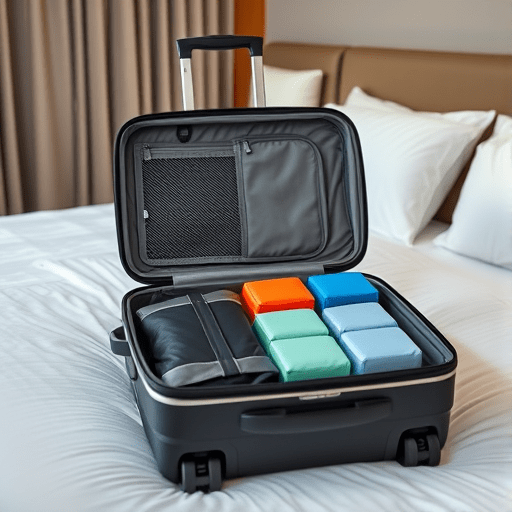
The packing cube crowd is loud about their gear. The money-saving packers are quiet about theirs. They weigh their suitcase at home before heading to the airport to avoid the $100 overweight fee at check-in. They pack a universal power adapter and a small power strip so they only need one adapter for multiple devices. They bring a refillable toiletry kit that complies with TSA rules, eliminating $5 hotel bottles and $12 airport minis.
They also handle the pre-trip logistics the way accountants do: setting up autopay on travel cards to hit minimum spends, scheduling appointments (vaccines, dental cleanings, prescription refills) so they don’t become urgent overseas, and pre-paying airport parking through apps like The Parking Spot or WallyPark for rates 30–40% below the drive-up price.
Conclusion
The travel content that goes viral tends to celebrate visible luxury—the suite, the upgrade, the Instagram-worthy lounge. The savings that make those experiences possible happen in spreadsheets, browser alerts, and credit card dashboards nobody posts about. These quiet money-saving travel habits are unglamorous by design. They work precisely because they’re boring enough that airlines and hotels don’t aggressively market against them. If you adopt even a handful of these routines, the math compounds quickly. A year from now, you may find yourself flying in the seat your friends keep asking how you afford—and you’ll have a perfectly ordinary answer for them.