For decades, endurance athletes were told to simply “drink to thirst.” But in 2026, a growing body of sports science research suggests that thirst is a lagging indicator — one that often arrives after your body has already begun to lose critical fluids and electrolytes. The real game-changer? Wearable sweat-rate data. By using wearable sweat-rate data to stop guessing sodium and prevent cramps, runners, cyclists, and triathletes can finally replace intuition with individualized, real-time physiological feedback. But can you actually trust thirst, or are sweat sensors the new gold standard for race-day hydration?
Why Thirst Is an Unreliable Metric in Endurance Racing
Thirst is a complex biological signal, not a simple fluid gauge. It is influenced by blood osmolality, hormone levels, and even psychological factors like excitement or focus. By the time you feel thirsty, you’ve already lost roughly 1–2% of your body weight in water — a threshold that can impair endurance performance, cognitive function, and thermoregulation. Worse, some athletes never feel thirsty until well after significant dehydration, while others feel parched even when their hydration status is perfectly balanced.
In race conditions, thirst perception becomes even more unreliable. Adrenaline suppresses the sensation of thirst, while heat and humidity distort it. A study published in the Journal of Sports Sciences found that athletes who relied on thirst alone frequently underestimated their sweat losses by 20–30% during a marathon. The consequence: hyponatremia risk for slower runners who over-drink, and cramping risk for faster runners who under-drink. That’s not a gamble — it’s a guessing game with physiological stakes.
How Wearable Sweat-Rate Data Changes Race-Day Hydration
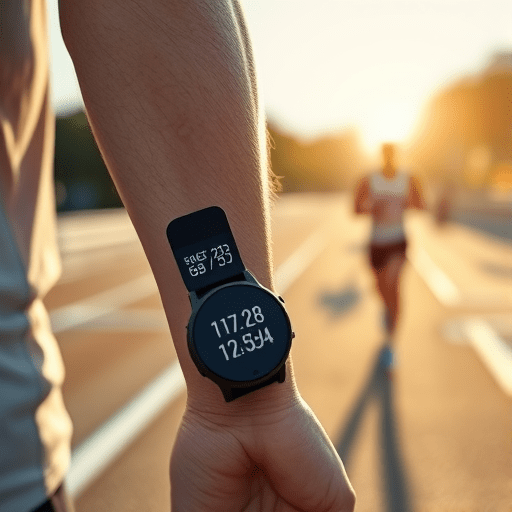
Wearable sweat sensors are not just another fitness gadget. They are designed to measure actual sweat output in real time, often through a small patch placed on the skin that analyzes sweat composition. Instead of relying on generic “one size fits all” hydration tables, these devices give athletes a live stream of data points: sweat rate in milliliters per hour, sweat sodium concentration, body temperature, and sometimes even muscle activity. This allows for a precise fluid-electrolyte replacement strategy, tailored to the individual’s unique physiology at a specific workload and environmental condition.
The concept isn’t entirely new — lab-based sweat testing has been available for years — but the wearable revolution makes it practical. A 2026-generation sensor is small, flexible, and can stream data to a sports watch or smartphone. Athletes can see changes in sweat rate as they climb a hill, adjust to heat, or become fatigued. That information turns hydration from a pre-planned schedule into a dynamic response to what your body is actually doing right now.
From “Drink to Thirst” to “Drink to Data”
The old school advice to “drink to thirst” fails to account for individual variability. Two athletes with identical height, weight, and pace can lose vastly different amounts of sodium and fluid. One might be a salty sweater losing 1,500 mg of sodium per liter, while the other loses only 500 mg. Without measuring, it is impossible to tailor intake. Sweat sensors solve this by measuring sweat electrolyte concentration alongside volume. With that information, you can choose the right electrolyte replacement — not based on a generic label, but based on your exact sweat profile.
What Sweat Sensors Measure: Sweat Rate vs. Sweat Sodium
It’s important to understand the two main data outputs of a sweat sensor because they serve different purposes.
- Sweat rate (mL/hour) — This tells you how quickly you are losing fluid. Multiply it by exercise duration to estimate total fluid loss. Sweat rate changes with temperature, humidity, and intensity, so real-time monitoring is far more accurate than a pre-race estimate.
- Sweat sodium concentration (mmol/L) — This determines how much sodium you lose per liter of sweat. High sodium losses are linked to muscle cramps, particularly in long races where electrolyte replacement is inadequate. Knowing your sweat sodium can prevent over-supplementing with water and under-supplementing with electrolytes.
Some advanced sensors also measure chloride, potassium, and glucose, but sweat sodium remains the most relevant for cramp prevention. A 2026 study from the University of Texas at Austin showed that athletes who trained with sweat sensors and adjusted their sodium intake accordingly experienced a 40% reduction in exercise-associated muscle cramps during long endurance events. That is precisely the kind of evidence that is convincing even the most stubborn “drink to thirst” veterans.
From Raw Data to Race Strategy: Using Sweat Sensors Without Overthinking
The most common concern about wearable sweat sensors is data overload. Do you need to check your phone every mile? No. The best approach is to use the sensor as a strategic guide, not a live obsession. Before a race, you can train with the sensor to learn your sweat rate at different paces and temperatures. Then, on race day, you can set hydration alerts based on thresholds — for example, “drink 200 mL every 30 minutes when sweat rate exceeds 1.2 L/hour.” This pre-planned strategy removes guesswork without requiring constant attention to the sensor display.
Practical Steps to Integrate Sweat Data into Your Race Plan
- Train with your sweat sensor for at least three sessions in conditions similar to race day.
- Record your average sweat rate and sweat sodium concentration for your target pace.
- Use an electrolyte drink that matches your sodium loss concentration (or add a salt pill if your losses are high).
- Set a hydration schedule based on sweat rate, not on thirst or simply “sips at every aid station.”
- Reassess after 60 minutes: if sweat rate increases due to heat, adjust fluid and sodium intake accordingly.
The goal is not to perfectly replace every milligram of sodium lost — that’s impossible and unnecessary. The goal is to avoid extreme deficits and to eliminate the crude guesswork that leads to hyponatremia or severe cramps.
The Limits of Sweat Sensors in 2026
As promising as they are, sweat sensors are not magic. They have limitations that every informed athlete should understand. First, sweat composition varies depending on where the sensor is placed — arm, chest, and wrist patches can produce slightly different readings. Second, most sensors measure sweat that has already been produced and evaporated, which can lead to a slight delay in data. Third, calibration is essential; a sensor that isn’t properly calibrated may underreport or overreport sodium values. Finally, sweat rate is not a perfect proxy for hydration status — it is influenced by local skin blood flow, sweat gland density, and even acclimatization level.
Still, the technology is improving rapidly. The latest sensors use microfluidic channels that collect fresh sweat from the skin and analyze it within seconds, reducing evaporation errors. Some models now integrate with GPS running watches to contextualize sweat data with pace, heart rate, and weather conditions. The result is a much more complete picture of your body’s performance and needs.
Another limitation is access. Quality sweat sensors still cost more than a standard heart-rate chest strap, though prices are dropping as the technology matures. For amateur racers, the investment may not feel necessary for a single marathon. But for ultra-endurance athletes, triathletes, and anyone who has suffered from severe cramps or dehydration-related DNFs, the data can be a literal lifeline.
Trust the Sensor, Not Just the Thirst
Thirst is not your enemy, but it is an unreliable race-day advisor. The future of hydration lies in measurable physiological feedback, and sweat sensors are making that both practical and accessible. They allow you to know your sweat rate, monitor sodium loss, and prevent cramps with a level of precision that was once reserved for lab-bound elite athletes. You don’t need to abandon your instincts — but you can back them up with data. On race day, combining your own sensations with a sweat sensor’s numbers will always beat a blind guess.
In the end, trusting thirst isn’t wrong; it’s just incomplete. With wearable sweat-rate data, you can stop guessing sodium, prevent cramps, and race with confidence — one measured drop at a time.