The transition from open water to the aero position is one of the most physically jarring moments in triathlon. Your shoulders have just spent an hour in internal rotation, pulling and pressing through water, and now you’re asking them to support your torso in a forward-flexed, load-bearing posture. If you’re choosing aerobar geometry to avoid shoulder impingement after swim sessions, you’re already ahead of the crowd. Most athletes only focus on speed, but the right armrest width, pad stack, and splay can mean the difference between a comfortable bike leg and a season derailed by subacromial pain.
This isn’t another generic “get a bike fit” article. Below, we break down the specific aerodynamic measurements and adjustability features that matter most in 2026, and how to translate them into a setup that respects your swim-weary shoulders.
Why Swimmer’s Shoulder Collides With the Aero Position
Swimmer’s shoulder is an umbrella term for impingement and overuse injuries involving the rotator cuff and the bursa under the acromion. In the pool, repetitive overhead motion narrows the subacromial space. On the bike, the aero position can make this worse by keeping the shoulders protracted, internally rotated, and slightly elevated. The result is a double insult: inflamed tissue that never gets a chance to recover, and a posture that mechanically reduces the space where that tissue lives.
The good news is that aero bar geometry is highly adjustable. Modern triathlon bikes offer an array of shims, spacers, and reversible armrests that allow you to fine-tune the cockpit. The goal is to find a position that preserves as much aerodynamic benefit as possible while opening the shoulder angle and relieving pressure on the anterior structures.
The Biomechanics of Impingement in the Aero Position
When you rest on your forearms, the load is distributed through the elbows and the proximal humerus. If your armrests are too narrow, your shoulders roll inward, causing the greater tuberosity to jam against the acromion. If your pad stack is too low, you increase thoracic flexion, which forces the scapulae into anterior tilt. That scapular position reduces the subacromial space even further, creating the perfect storm for impingement.
Conversely, a setup that allows a slight external rotation of the shoulder opens the joint. The key is finding the sweet spot between a low frontal area and a joint-friendly posture. In 2026, the best aero bars are no longer just about carbon stiffness — they are designed with biomechanical adjustability as a headline feature.
Key Aerobar Geometry Factors That Matter in 2026
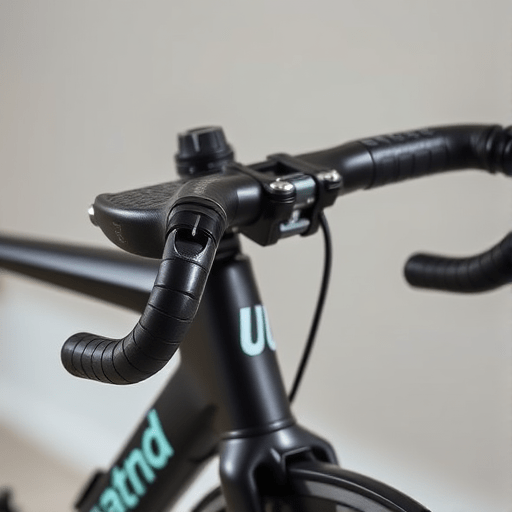
When evaluating your cockpit, focus on five core dimensions. Each one affects how your shoulder behaves under load, and each can be adjusted independently on most high-quality extension systems.
- Pad stack: The vertical distance from the bottom bracket to the arm pads. Higher stacks reduce hip flexion and thoracic rounding.
- Pad reach: The horizontal distance from the bottom bracket to the arm pads. Longer reach forces the shoulders to stretch forward, increasing scapular protraction.
- Pad width: The lateral distance between the center of each armrest. Too narrow rolls the shoulders inward; too wide causes elbow flaring and shoulder elevation.
- Armrest angle: The tilt of the pad itself. A slight wedge can alter how the forearm loads the humerus.
- Extension splay: The outward angle of the extensions from center. This affects wrist and shoulder orientation.
For swimmers, pad width and splay are often the most neglected. A standard narrow setup might look fast, but it actively compresses the shoulder capsule. Many fitters now recommend a wider, slightly splayed position for athletes with a history of shoulder issues.
Pad Stack and Reach: Getting the Numbers Right
Your optimal pad stack and reach depend on your torso length, hip flexibility, and — critically — the state of your shoulders after a swim. A common error is to mimic a professional triathlete’s aggressive position without accounting for tissue tolerance. If you are 30 minutes post-swim, your rotator cuff is fatigued and less able to stabilize the humeral head. A low, aggressive cockpit will magnify that fatigue.
A practical rule: set your pad stack so that your elbow angle rests at roughly 90 to 100 degrees when your forearm is flat on the pad. For reach, aim for a position where your shoulder blade remains relatively neutral, not shrugged or excessively stretched. Your sternum should feel open, not collapsed. If you feel pinching in the front of your shoulder within the first 10 minutes, your reach is probably too long or your stack is too low.
Width, Splay, and Armrest Angle: The Overlooked Variables
The width of your armrests should follow your shoulder width — not the width of your aero bars. Many 2026 aero bar models now include adjustable armrest plates that can move laterally in increments of 5 mm. That level of precision matters. A difference of 10 mm in pad width can change the rotation of your humerus significantly.
Splay is the angle at which the extensions point outward. A small splay of 5 to 10 degrees allows your wrists to track in a more natural line, which in turn allows the elbows to track slightly outward. This reduces internal rotation at the shoulder joint. If you swim with a high elbow catch, your shoulder is already accustomed to external rotation. Replicate that on the bike.
Armrest angle is subtle but powerful. Some systems allow you to insert a wedge under the rear of the pad, creating a slight decline toward your hands. This can offload the elbows and shift pressure to the forearms, which many swimmers find more comfortable. Just be careful not to overdo it; a steep decline can increase wrist extension.
How to Set Up Your Aero Bars Without Losing Speed
Aerodynamic drag is dominated by your body, not your equipment. A 2026 wind tunnel study from a major university confirmed that a position with a slight elbow flaring and a more open shoulder angle can be within 1–2% of a hyper-aggressive position — while saving your rotator cuff. That is a trade worth making for the entire bike leg, especially with a run still ahead.
Here is a step-by-step approach to dialing in your setup:
- Start with your current best position and mark every measurement with tape.
- After your next swim-specific workout, ride on the trainer for 20 minutes and note any shoulder discomfort.
- Widen the armrests by 5 mm on each side, then add a 5 mm spacer to the pad stack.
- Test for 10 minutes. If the pinching sensation decreases, continue in small increments.
- Adjust extension splay by loosening the extension clamps slightly and rotating the bars outward.
- Recheck your elbow angle; an open angle of about 100 degrees will reduce peak shoulder flexion demand.
Do not chase a number because it looks professional. Chase the position that lets you hold aero effort for an entire ride without repetitive discomfort. The fastest aero bars are the ones you can actually stay in.
A Quick Pre-Ride Checklist for Triathletes
Before your next long ride, run through this quick list to keep your shoulders happy.
- Are your armrests aligned with your acromioclavicular joint, not significantly inside or outside?
- Is your pad stack set so you can maintain a neutral spine without craning your neck?
- Do you have a slight bend in your elbows, or are they locked out?
- Can you retract your shoulder blades without lifting your chest off the pads?
- Is your wrist positioned so you can see the gap between your thumb and index finger, indicating neutral rotation?
These checks take less than 30 seconds and can prevent the slow buildup of inflammatory tissue that turns a fun season into a rehab project.
Listening to Your Body Between Sessions
No article can replace the feedback loop between your body and your bike. If you notice a dull ache in the front of your shoulder during the first 10 minutes of a ride, that is a warning sign. If the pain persists after the bike leg, your geometry is wrong. Make one adjustment at a time, and give yourself at least three rides to assess the change. Avoid the temptation to radically overhaul your cockpit after a single bad session.
In 2026, the industry is finally embracing the idea that comfort and aerodynamics are not opposing forces. New aero bar systems from major manufacturers include tool-free adjustable armrests, modular pad shapes, and shock-absorbing elastomers — all designed to provide a stable platform while respecting joint health. Taking advantage of these features is not a sign of weakness; it’s a sign of intelligent training.
Conclusion
Swimmer’s shoulder does not have to end your triathlon ambitions. By choosing aerobar geometry that prioritizes a neutral shoulder joint, you can maintain a low drag profile and still arrive at T2 with healthy rotator cuffs. Start with pad width and splay, then refine stack and reach in small increments. The right setup is not the same for everyone — it’s the one that lets you press hard, breathe freely, and stay pain-free from the swim exit to the finish line.