When you lace up your hiking boots for a week‑long adventure, the first thing that often comes to mind is weight and convenience. Yet for 2026, the biggest gear upgrade is an intentional shift to zero plastic. This guide will walk you through the essential steps to pack a 7‑day tour that eliminates single‑use plastics, keeps your footprint minimal, and ensures you stay hydrated, fed, and comfortable—without the clutter of disposable items.
Zero‑Waste Packing Essentials
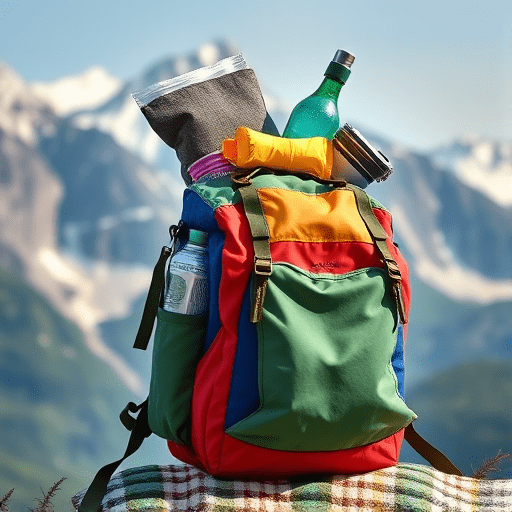
Start by creating a master list of items that can be reused or come in recyclable packaging. Replace plastic water bottles with a stainless‑steel or titanium bottle that holds at least 2 liters. A collapsible travel mug and a reusable straw made of silicone or stainless steel will cover all your beverage needs. Instead of plastic storage bags, bring a set of silicone food pouches and a vacuum‑sealed, BPA‑free container for spices. For trash, carry a small, durable trash bag that can be reused for packing and field cleanup.
Key Tools for Zero Plastic
- Stainless‑steel or titanium water bottle (2 L or larger)
- Collapsible silicone travel mug
- Silicone or stainless‑steel reusable straw
- Silicone food pouches (various sizes)
- Vacuum‑sealed BPA‑free containers for spices and sauces
- Reusable trash bag for packing and cleanup
- Reusable cotton or hemp cloths for cleaning
These items replace the typical plastic bottle, cup, straw, and food wrap you’d normally bring. A well‑chosen set of reusable tools can be lighter than the plastic alternatives they replace, and they keep your pack neat and organized.
Food & Hydration Strategies
Food packaging is a major source of plastic waste. Switch to bulk, refillable containers for grains, nuts, and dehydrated meals. A lightweight, multi‑compartment collapsible bowl can replace single‑use plastic bowls. Pack a small, solar‑powered or hand‑crank blender for smoothies or protein shakes, eliminating plastic bottles for those beverages. Hydration can be managed with a water filter or a UV purifier, both of which allow you to fill your bottle from natural sources. Don’t forget a small, reusable bag for snacks, which keeps them from becoming single‑use plastic packets.
Meal Planning Tips
- Buy dehydrated or freeze‑dry meals in reusable containers.
- Use silicone lids or zip‑top bags to store pre‑measured portions.
- Prepare a protein mix in a reusable container to avoid plastic sachets.
- Pack a refillable juice pouch for hydration with electrolytes.
These strategies not only reduce plastic but also streamline your kitchen area, keeping your pack lighter and your cooking more efficient.
Gear & Shelter
When selecting gear, look for items made from recycled materials or with a minimal environmental footprint. A tarp and a hammock made from natural fibers replace plastic tarps and hammocks. Opt for a tent with a canvas or biodegradable inner lining. For a sleeping bag, choose one with a synthetic or down fill that’s packaged in a reusable bag. A lightweight, reusable stove and a pot made from titanium or aluminum replace disposable cooking equipment. A compact, reusable rain jacket eliminates plastic rain gear and keeps you dry.
Choosing Reusable Components
- Tent with canvas or recyclable lining
- Hammock or tarp made from natural fibers
- Titanium or aluminum cookware set
- Reusable stove with refillable fuel canisters
- Reusable rain jacket (no plastic lining)
Each piece should be chosen for its durability and the possibility of repair. Keep a small toolkit for field fixes, and remember that a well‑maintained gear set will last for years, reducing the need for new plastic‑heavy replacements.
Leave No Trace Practices
Zero‑waste backpacking is as much about what you leave behind as what you bring. Practice the Leave No Trace principles by packing out all trash, food waste, and excreta in a single, reusable bag. If you use a compostable biodegradable soap, rinse thoroughly to avoid residue on the trail. Use a reusable toilet paper roll instead of single‑use sheets, and pack a small shovel for burying waste at a proper depth. When cooking, use a camp stove instead of burning plastic waste, and never leave cooking oils or food scraps in the environment.
Field Hygiene Tips
- Use a reusable cleaning cloth for dishes and gear.
- Rinse containers in clean water before reuse.
- Pack a small, reusable trash bag for carrying out all waste.
- Practice proper waste burial or use established toilet sites.
By keeping your footprint clean and using reusable tools, you protect the ecosystems you love and set a standard for other trekkers to follow.
Sustainable Day‑to‑Day Logistics
Beyond gear and food, consider your daily logistics. Map out water sources so you can refill your bottle without wasting energy on unnecessary detours. Use a digital GPS device that can be recharged with a solar panel, avoiding disposable batteries. When you need to adjust your pack weight, bring a small, reusable weight bag to balance the load—no more plastic buckles or clips. Finally, practice mindful packing: each item should have a purpose, and you should be able to explain why you’re carrying it in terms of zero‑plastic impact.
Implementing these habits will help you remain efficient and reduce the chance of accidentally carrying plastic items. The end result is a smoother trek and a smaller environmental footprint.
From the moment you pack your reusable bottle to the final moment you pack out a single, durable bag of trash, zero‑waste backpacking is an achievable, rewarding way to explore the outdoors responsibly. By choosing the right gear, planning meals thoughtfully, and maintaining a strict no‑plastic policy, you can enjoy a week‑long adventure that leaves the world as you found it—or better.