Modernizing a legacy monolith without taking the business offline is a demanding but achievable goal. This playbook outlines a concrete, staged approach that lets you layer an API façade over existing code, gradually shift traffic, and eventually retire the monolith— all while preserving uptime, data consistency, and user experience. By following these steps, developers, architects, and ops teams can confidently transition to an API‑first model without the common pitfalls of downtime, data loss, or broken dependencies.
1. Assessing the Monolith Landscape
The first task is to gain a deep understanding of the monolith’s current state. Document all functional modules, external integrations, and critical data flows. Identify the most time‑sensitive transactions and any single points of failure that could jeopardize uptime if altered.
- Codebase audit: Use static analysis tools to map dependencies, detect tightly coupled components, and locate legacy libraries that may need to be replaced.
- Performance profiling: Capture latency, throughput, and error rates under peak load to establish baseline metrics that will later validate migration success.
- Business impact analysis: Rank features by business value and usage frequency to prioritize which modules should be exposed via APIs first.
These insights will shape the migration strategy and help avoid surprises during cutover.
2. Designing a Parallel API Layer
Once the monolith’s structure is mapped, begin designing an API façade that can run side‑by‑side. The goal is to create a clean, contract‑first layer that can handle traffic while the underlying monolith continues to serve requests.
Define API Contracts
Start by drafting OpenAPI or GraphQL schemas for each target feature. Focus on the following:
- Idempotent endpoints for critical write operations.
- Clear authentication and rate‑limiting policies.
- Versioning strategy—preface each schema with a semantic version to support gradual evolution.
Use these contracts to generate mock servers and automated tests, ensuring that the API definition is functional before connecting to the monolith.
Build an API Gateway
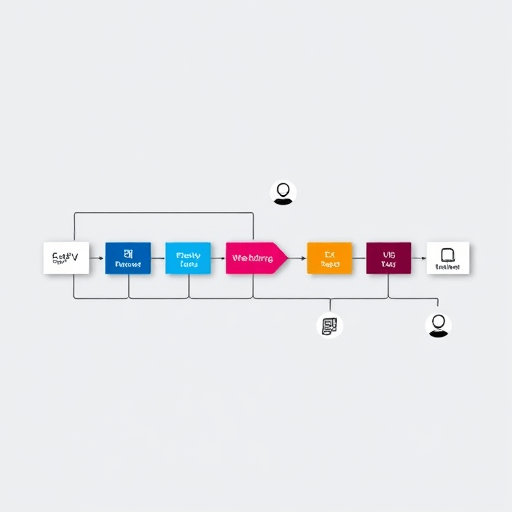
Deploy an API gateway (e.g., Kong, AWS API Gateway, or Envoy) to serve as the single entry point. Configure routing rules that can split traffic between the new API layer and the legacy monolith based on feature flags or request headers. This setup allows you to route a subset of requests to the API while the rest continue to hit the monolith, providing an immediate safety net.
3. Incremental Feature Flagging
Feature flags act as the control lever for gradually exposing new API endpoints. Implement a flagging system that can toggle routing decisions in real time without redeploying services.
- Flag granularity: Manage flags at the request, user, or tenant level to support phased rollouts.
- Metrics monitoring: Tie flag states to analytics dashboards to observe impact on latency and error rates.
- Automated testing: Use feature‑flag‑aware test suites to validate both API and monolith paths under identical conditions.
4. Database Migration Strategy
Data is the lifeblood of any application, and migrating without downtime requires careful synchronization. Adopt a read‑replica + shadow‑write approach to keep both the monolith and API layer in sync.
Read Replicas and Shadow Writes
Set up read replicas of the primary database and redirect API read operations to these replicas. For writes, implement shadow writes: every write performed by the API is replicated to a shadow copy of the database, which is then used to feed the monolith’s read operations. This decouples the API from the monolith’s write path while ensuring eventual consistency.
Eventual Consistency Patterns
Leverage domain events and message queues (Kafka, RabbitMQ) to propagate state changes across services. The monolith can subscribe to these events, updating its local cache or database as needed. When the monolith is fully retired, the API will become the sole source of truth.
5. Continuous Deployment Pipeline
Automation is key to zero‑downtime migration. Build a CI/CD pipeline that supports feature‑flag toggling, canary releases, and automated rollback. Each commit to the API repository should trigger tests against both the API and monolith backends, and only a green build can advance to a canary deployment that gradually shifts a small percentage of traffic.
6. Monitoring & Rollback Playbooks
Robust observability ensures you can spot problems early. Instrument request latency, error rates, and resource usage with distributed tracing (OpenTelemetry) and metrics aggregation (Prometheus). Define SLA thresholds for each API route; if thresholds are breached, the pipeline should automatically toggle the relevant feature flag to route traffic back to the monolith.
Keep a rollback plan that includes:
- Reverting feature flags in minutes.
- Re‑deploying the monolith’s last stable version if required.
- Database schema migration reversions using versioned migrations.
7. Team Collaboration & Communication
Zero‑downtime migration is a cross‑functional effort. Establish a clear communication channel— a dedicated Slack channel or Jira board— to track feature‑flag states, deployment status, and incidents. Regular stand‑ups and post‑mortem reviews help refine the process and prevent knowledge loss.
8. Post‑Migration: Refactoring and Legacy Cleanup
Once all critical API endpoints are fully operational and traffic is 100% routed through the API façade, begin cleaning up the legacy monolith:
- Remove deprecated code paths and unused libraries.
- Convert tightly coupled modules into microservices or serverless functions where appropriate.
- Retire the monolith’s database once all data is validated within the new architecture.
- Archive the monolith codebase with version control tags and documentation for future reference.
Continuous improvement remains essential. Treat the API layer as the new source of truth and invest in performance tuning, security hardening, and developer experience enhancements.
By meticulously planning each step, leveraging feature flags, and maintaining rigorous monitoring, you can shift a legacy monolith to an API‑first architecture without ever experiencing downtime.