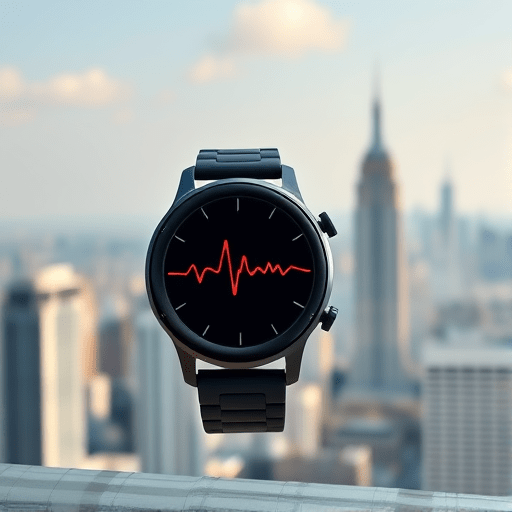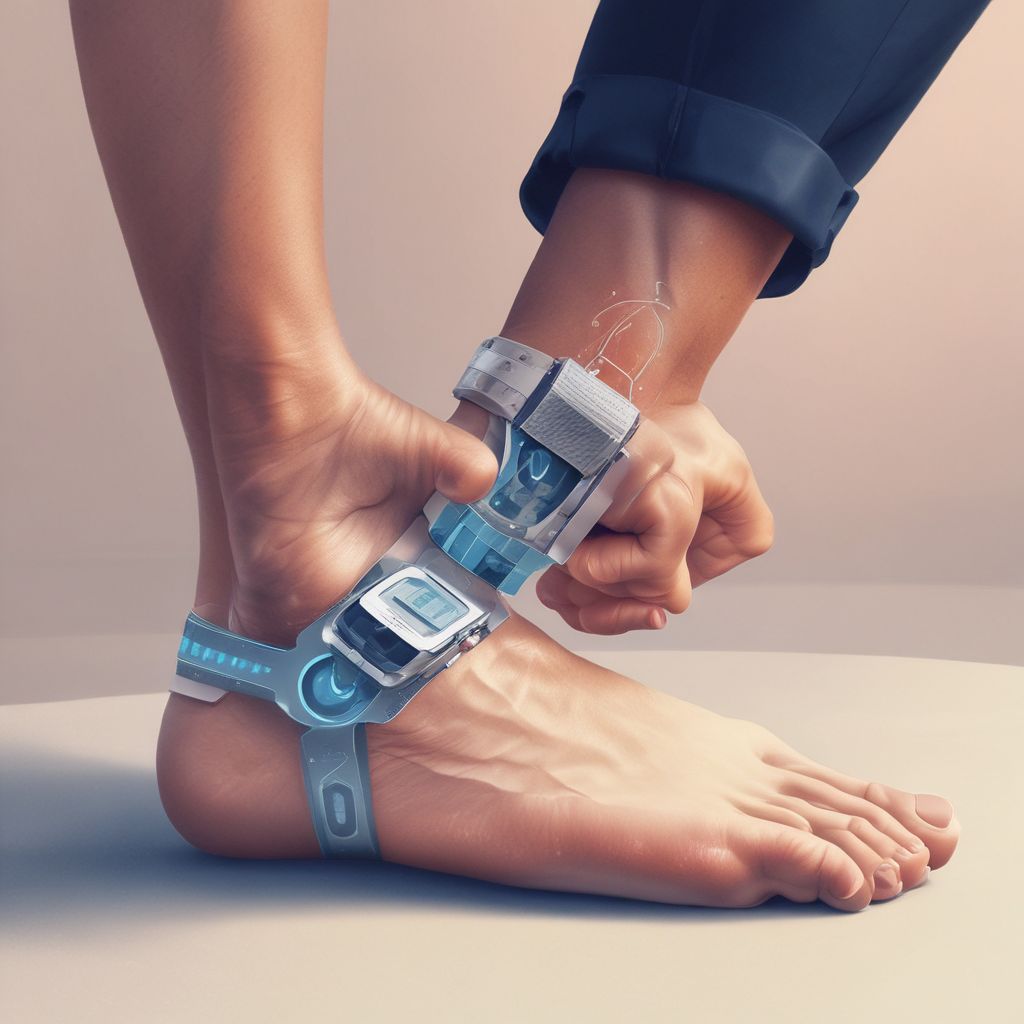
Wrist-Based Early Warnings are an emerging approach to diabetic foot care that use multimodal wearables to predict diabetic foot ulcer risk before symptoms appear by combining indirect pressure estimation, localized temperature mapping, and gait-derived biomarkers from wrist sensors. By shifting detection from the foot to the wrist, these devices make continuous, low-burden monitoring possible for millions of people with diabetes, enabling earlier interventions that can reduce infection rates and ultimately prevent amputations.
Why early detection matters in diabetic foot ulcers
Diabetic foot ulcers (DFUs) develop when neuropathy, poor circulation, repetitive pressure, and unnoticed injury converge. Clinically silent changes—subtle increases in tissue temperature, abnormal loading patterns, and small gait alterations—often precede an open ulcer by days or weeks. Detecting those signals early creates a critical window for behavior changes, off-loading, wound-care, or clinician outreach that can stop progression.
How wrist wearables can sense foot-related risk
At first glance the wrist seems far from the foot, but modern wearables combine multiple sensor streams and algorithms to infer foot health remotely. The strategy relies on three complementary capabilities:
- Temperature trends: Skin temperature asymmetry and systemic inflammatory patterns can be tracked from wrist thermal sensors or skin-contact temperature probes; sudden deviations often mirror inflammatory processes in the lower limb.
- Gait and activity analysis: High-fidelity accelerometers and gyroscopes on the wrist capture stride frequency, step symmetry, cadence, and abrupt changes in walking mechanics that correlate with off-loading or pain-related compensation—early markers of foot tissue stress.
- Pressure surrogates and behavioral context: While direct plantar pressure requires an insole, wrist sensors infer risk through combined activity recognition (standing long periods, uneven gait) and pattern recognition of repetitive high-impact events that increase local foot pressure over time.
Why multimodal fusion beats single-signal approaches
No single measurement is definitive. Temperature spikes could be due to fever; gait changes might reflect fatigue or a bad surface. Multimodal fusion—merging temperature, motion, and contextual features with user history—creates robust, patient-specific risk models with fewer false alerts. Machine learning models weigh signals differently per user, improving sensitivity while preserving specificity for clinically actionable warnings.
From raw data to actionable alerts: the technical pipeline
Typical systems include continuous data capture, edge preprocessing, secure cloud analytics, and a clinician/patient notification channel. Key steps:
- Signal preprocessing: Remove noise, calibrate temperature against ambient conditions, and normalize activity data across days.
- Feature extraction: Compute metrics like temperature asymmetry index, stride-to-stride variability, peak impact frequency, and cumulative high-load time.
- Risk scoring and personalization: Apply statistical models or trained neural networks to generate a risk score and trend analysis tuned to the individual’s baseline.
- Decision rules and triage: Translate scores into low/medium/high alerts with recommended actions (e.g., reduce walking, inspect foot, contact clinician).
Clinical pathways and early interventions
An effective wrist-based early warning system integrates seamlessly into care workflows:
- Automated daily summaries for patients with simple, actionable guidance (inspect socks/feet, change footwear, rest).
- Escalation to remote nurses or podiatrists when a high-risk pattern persists for a defined window.
- Data-informed clinic visits focusing on earlier debridement, off-loading devices, or vascular assessment—before an ulcer requires advanced therapy.
Evidence, benefits, and potential impact
Early proof-of-concept studies show that combining temperature asymmetry and gait-derived instability improves prediction of imminent foot injury compared with single biomarkers. The anticipated benefits include:
- Fewer missed pre-ulcer signs and reduced progression to full-thickness ulcers.
- Reduced hospitalizations for infection and lower rates of major amputations.
- Lower long-term costs through preventive care and remote triage.
Practical challenges and ethical considerations
Deploying wrist-based early warnings at scale requires addressing:
- Validation: Large prospective trials across diverse populations to establish sensitivity, specificity, and clinical utility.
- Privacy and security: Secure data handling, consent for remote monitoring, and transparent alert thresholds to avoid alarm fatigue.
- Equity: Ensuring devices and connectivity are accessible to elderly and low-income patients who carry high DFU risk.
- Clinical integration: Clear pathways for clinicians to act on alerts and reimbursement models for remote monitoring interventions.
Implementation roadmap for health systems
To adopt wrist-based early warnings, health systems can follow a phased approach:
- Pilot with high-risk patients using validated devices and clear escalation protocols.
- Measure outcomes—ulcer incidence, time to intervention, patient adherence, and user satisfaction.
- Iterate models with real-world data to reduce false positives and improve personalization.
- Scale by integrating with EHRs, care management platforms, and payer reimbursement pilots.
Patient experience and engagement strategies
Success hinges on patient buy-in—design simple alerts, contextual education, and gamified adherence nudges (e.g., daily foot-check reminders). Empowering patients with plain-language explanations of what an alert means and simple actions to take reduces anxiety and increases compliance. Clinician-backed coaching and remote check-ins help translate warnings into meaningful behavior change.
Looking ahead: research and innovation opportunities
Future advances include fusion with plantar sensors for hybrid monitoring, personalized digital twins to simulate tissue stress, and federated learning to improve models while preserving privacy. Cross-disciplinary research—combining biomechanics, endocrinology, and human-centered design—will accelerate devices that are both clinically rigorous and widely adopted.
Wrist-based early warnings that combine pressure surrogates, temperature trends, and gait signals represent a practical, scalable route to catch diabetic foot ulcer risk before visible symptoms appear. With rigorous validation and thoughtful integration into care, these multimodal wearables can shift care from crisis response to prevention, saving limbs and lives.
Conclusion: Multimodal wrist wearables offer a promising, patient-friendly approach to predicting diabetic foot ulcer risk before symptoms appear and enabling timely interventions that reduce complications and amputations.
Call to action: Learn how wrist-based multimodal monitoring can fit into your diabetes care pathway—schedule a demo or pilot with your clinic today.