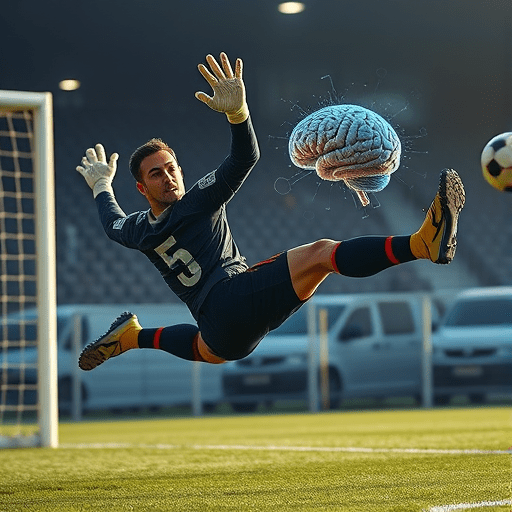
The rise of wearable neurotech is opening a new chapter in Paralympic sport, where brain–computer interfaces (BCIs) and real-time biofeedback combine with traditional coaching to create training systems tailored to athletes with severe impairments. This convergence of sensors, algorithms, and human intent is not only improving measurable performance, it’s changing how athletes experience agency, how teams design programs, and how governing bodies think about fairness and classification.
What is wearable neurotech in the Paralympic context?
Wearable neurotech refers to compact, non-invasive systems that monitor physiological and neural signals and translate them into actionable feedback or control signals. In Paralympic applications this often includes:
- Non-invasive BCIs: EEG headbands and behind-the-ear sensors that detect patterns of brain activity to trigger devices or provide feedback.
- Real-time biofeedback wearables: Sensors for heart rate variability (HRV), skin conductance, respiration, and muscle activity (EMG) that stream data to coaches and athletes during training.
- Sensor fusion devices: Combinations of motion sensors, pressure insoles, and neural readings that create a holistic picture of effort, intent, and biomechanical efficiency.
How these systems work together
Data from wearable sensors is processed locally or in the cloud, then translated into visual, auditory, haptic, or control signals. In training, a BCI might detect an athlete’s focus state and couple it with haptic feedback that cues a corrective motor pattern; a biofeedback loop could automatically adjust resistance in a cycling ergometer based on fatigue markers to optimize overload without risking injury.
Transforming training: new methods and practices
Wearable neurotech enables several training paradigms that were previously impractical or impossible for many Paralympic athletes.
- Closed-loop neurofeedback drills: Instead of static drills, athletes train with feedback loops that reward desired brain states (e.g., stable attention or reduced anxiety), accelerating skill acquisition and mental resilience.
- Intent-driven assistive control: BCIs can supplement residual muscle activity to control prosthetics, exoskeletons, or on-screen avatars, allowing athletes to practice sport-specific movements even with limited peripheral control.
- Fatigue-aware periodization: Continuous HRV and EMG monitoring help coaches tailor load and recovery in real time, reducing overtraining and optimizing peak performance windows.
- Immersive rehearsal and imagery training: Combined with VR, neural signals can validate mental rehearsal quality—coaches can quantify and strengthen imagery skills that translate into better on-an-field execution.
Boosting agency for athletes with severe impairments
One of the most profound benefits of wearable neurotech is restoring and expanding agency—athletes’ ability to intentionally influence outcomes.
- Direct control pathways: For athletes with minimal limb movement, BCIs create an alternative channel to interact with equipment or competitive interfaces, supporting independence in training and competition.
- Personalized feedback: Rather than generic metrics, wearable neurotech can present individualized cues that respect an athlete’s sensory profile and learning style, improving confidence and self-efficacy.
- Psychological empowerment: Seeing neural or physiological markers respond to mental strategies (like breathing or focus) gives athletes tangible proof that they can modulate their performance states—an important motivational shift.
Classification, fairness, and the ethics debate
As neurotech changes what athletes can do and how they train, it raises complex questions about classification, equitable access, and the nature of enhancement.
Classification challenges
Paralympic classification categorizes athletes to ensure fair competition by grouping similar levels of impairment. When wearable neurotech augments control or compensates for loss of function, determining whether an advantage is a legitimate assist or an unfair enhancement becomes thorny. Do BCIs that translate intent into action alter the functional baseline used for classification? Sports authorities must update frameworks to assess device impact on competitive outcomes.
Fairness and access
Advanced wearable systems are costly and often require technical support. Unequal access risks widening performance gaps between well-funded programs and under-resourced athletes or nations. Policies that encourage open-source solutions, equipment grants, or standardization can help mitigate inequity.
Ethical and privacy considerations
- Neural data sensitivity: Brain signals are intimate; consent, secure storage, and clarity on data use must be foundational.
- Informed consent: Athletes must understand what devices can reveal about mental states and how that information might affect selection, sponsorship, or public perception.
- Identity and autonomy: Designers should avoid framing devices as fixes for identity; the goal is to expand choice, not to imply deficiency.
Practical adoption: what coaches, athletes, and organizations should consider
Introducing wearable neurotech into a program requires careful planning beyond buying devices.
- Start small and measure: Pilot with a few athletes, measure outcomes that matter (performance, wellbeing, agency), and iterate.
- Educate multidisciplinary teams: Coaches, physiotherapists, sport psychologists, and technologists should collaborate to interpret signals and design interventions safely.
- Prioritize usability: Devices must be robust, comfortable, and quick to deploy during training so they don’t become a burden.
- Engage governing bodies early: Transparency with classification and regulatory bodies helps create standards and avoids late-stage disqualifications or controversy.
Looking ahead: a balanced future
Wearable neurotech promises to expand what Paralympic athletes can train, control, and achieve—but its promise must be balanced with ethical stewardship, inclusive access, and thoughtful regulation. When sensors meet soul in a way that enhances choice and preserves fair play, the technology not only improves lap times or lift weights; it amplifies human dignity on the global stage.
Conclusion: Wearable neurotech is not a replacement for hard work or skill, but a catalyst that personalizes training, restores agency for those with severe impairments, and forces sport to confront new questions about fairness and identity. Embracing these tools with clear ethics and equitable policies can help Paralympic sport evolve responsibly.
Call to action: Share this article with a coach, athlete, or classifier to start a conversation about integrating wearable neurotech into ethical, athlete-centered programs.