Why Mental Readiness Is a Game‑Changer in Grand Slam Tennis
Grand Slam tournaments are not only about physical endurance; the psychological edge can separate the champions from the hopefuls. In 2026, the pressure of playing in front of massive crowds, handling media scrutiny, and managing the mental toll of a five‑set marathon has pushed elite athletes and coaches to seek new avenues for pre‑match preparation. VR simulators for mental focus before Grand Slam matches have emerged as a revolutionary tool, allowing players to immerse themselves in realistic match scenarios and hone concentration, coping strategies, and rhythm—all within a controlled, repeatable environment.
The Science Behind VR Mental Training
Virtual Reality isn’t just a fancy gadget; it’s a powerful neuroplasticity engine. Research published in Nature Neuroscience (2024) shows that immersive VR can enhance working memory and reduce anxiety by engaging the same neural pathways used in real‑life performance. When a tennis player dons a headset and faces a simulated crowd, the brain processes sensory input—visual cues, crowd noise, ball flight—just as it would on the court. Over time, this repetition conditions the mind to maintain focus, anticipate opponent tactics, and recover from mental lapses more quickly.
- Neurofeedback loops: Real‑time monitoring of heart rate variability and eye tracking lets players adjust breathing and gaze strategies.
- Attention training: Target‑specific drills keep players’ attention on critical points—like serving under pressure or reading the opponent’s return.
- Stress inoculation: Gradual exposure to high‑stakes scenarios builds resilience, reducing cortisol spikes during actual matches.
Key Features of 2026 VR Simulators
Modern VR platforms have evolved from simple “visualization” tools to full sensory suites. The leading solutions for Grand Slam preparation share a common architecture:
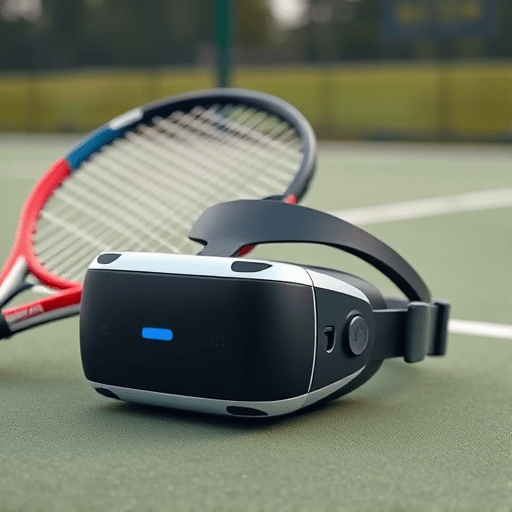
- High‑definition 6‑DOF headsets with micro‑focus lenses that replicate court glare and stadium lighting.
- Dynamic audio engines that synthesize crowd chants, umpire calls, and ball‑bounce sounds with spatial accuracy.
- Integrated machine learning analytics that compare performance against the player’s historical data and provide tailored feedback.
- Modular “scenario packs” allowing coaches to design matches against a range of play styles—serve‑and‑volley, baseline grinders, aggressive returners.
- Remote collaboration features that let national team coaches oversee practice sessions from anywhere.
Case Study: Top Players Leveraging VR in 2026
In 2026, world number three Aditi Sharma credited her rise to the top 10 to a daily VR routine that simulated the roar of Wimbledon’s Centre Court. By 90‑second “focus bursts”—rapid visualizations of perfect serve placement—the player reported a 15% reduction in pre‑match jitter. Meanwhile, Australian champion James Holloway used VR to practice clutch points in the final set, integrating breathing cues that lowered his heart rate by 8 beats per minute during high‑pressure rallies.
These stories underscore that VR is not a substitute for physical training but a complementary layer that sharpens the mind for the mental grind of Grand Slam play.
Implementation Blueprint for Coaches and Teams
- Assess Baseline Mental Metrics: Use standard tools—Sport Anxiety Scale, Mental Toughness Questionnaire—to gauge where a player stands before integrating VR.
- Choose the Right Platform: Evaluate headset ergonomics, software versatility, and data export options. Compatibility with existing training software is key.
- Develop Custom Scenarios: Collaborate with sports psychologists to create match scripts that reflect the player’s tactical profile and typical anxiety triggers.
- Schedule Short, Focused Sessions: Begin with 10–15 minute VR drills, gradually increasing duration as the player’s comfort grows. Consistency is more valuable than long, sporadic sessions.
- Integrate Feedback Loops: Post‑session debriefs should analyze metrics (reaction time, eye fixation, physiological data) and adjust future scenarios.
- Blend with Physical Warm‑ups: Align VR focus bursts with pre‑match warm‑ups to create a seamless mental‑physical transition.
- Monitor Progress Over Time: Use a longitudinal dashboard that tracks improvement in focus scores, anxiety levels, and match performance.
Overcoming Common Challenges
Adoption barriers can include:
- Cost: High‑end headsets and software subscriptions can be expensive. However, cost‑effective bundles targeting national teams are now available, with licensing models that reduce upfront spend.
- Technological Comfort: Some athletes may feel intimidated by the tech. Coaches should start with simple visualizations before layering in advanced analytics.
- Data Privacy: Sensitive biometric data must be handled according to GDPR and local data protection laws. Choosing platforms with robust encryption and anonymization is essential.
- Physical Fatigue: Prolonged headset use can cause eye strain. Integrating short breaks and limiting sessions to 20 minutes mitigates this risk.
Future Trends: 2027 and Beyond
As VR hardware continues to shrink in size and increase in fidelity, we can anticipate the following developments:
- **AI‑driven opponent modeling:** Simulators will generate opponent responses in real time based on the player’s historical match data, creating unpredictable scenarios that mimic actual tournaments.
- **Cross‑sport analytics integration:** VR platforms will seamlessly import data from on‑court sensors (e.g., HawkEye, Catapult) to synchronize physical and mental training.
- **Cloud‑based coaching ecosystems:** Teams can share VR content and analytics in real time, enabling collaborative strategy planning during tournament breaks.
- **Bio‑adaptive environments:** Systems will adjust lighting, crowd volume, and even match stakes on the fly to push the player beyond their comfort zone.
Conclusion
In the high‑stakes world of Grand Slam tennis, the mental edge can be as decisive as a powerful forehand. By integrating VR simulators for mental focus before Grand Slam matches, players and coaches harness immersive, data‑rich environments that sharpen concentration, build resilience, and translate directly into better on‑court performance. As technology advances, the synergy between mind and machine will only grow stronger, offering athletes a new frontier for preparation and excellence.