Virtual Reality Meets Telemedicine: Cutting Chronic Pain by 20% and Boosting Patient Satisfaction
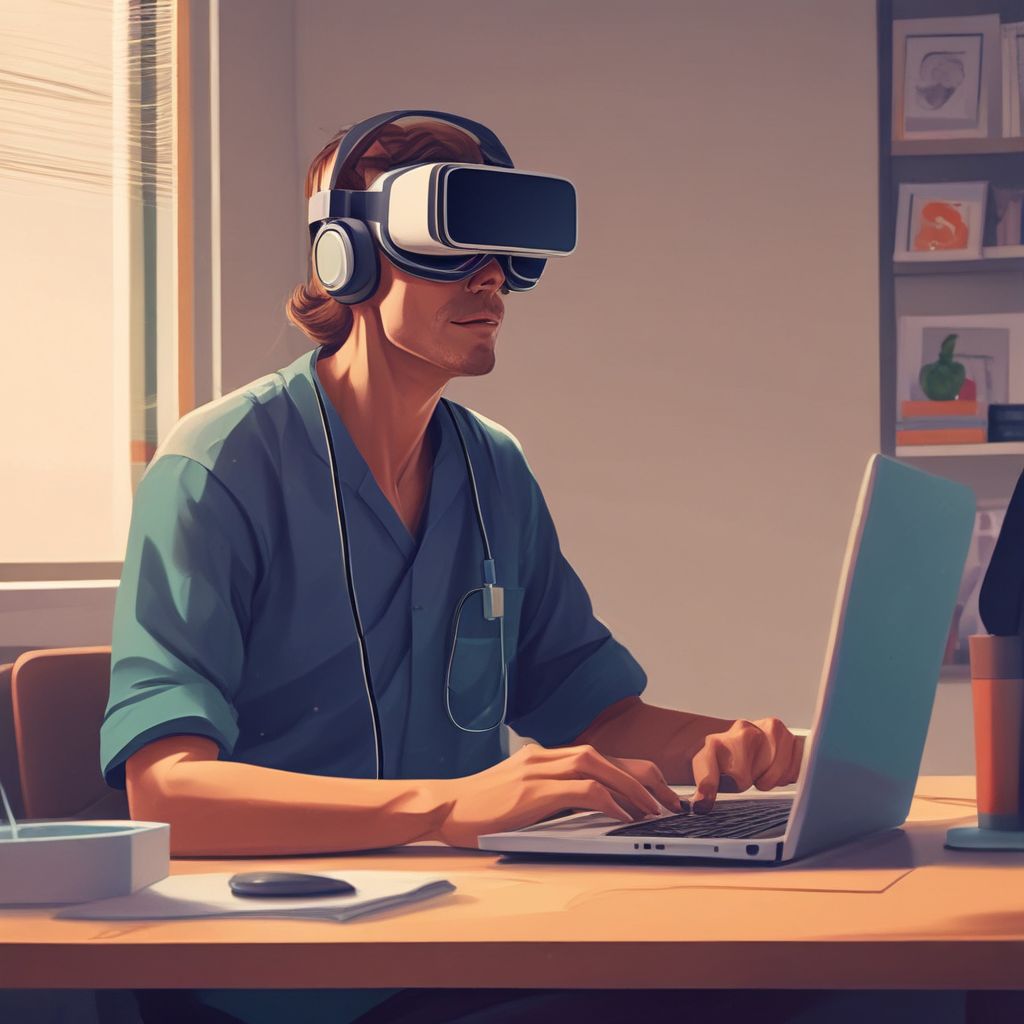
Virtual Reality Meets Telemedicine is revolutionizing how chronic pain is managed from the comfort of home. Recent clinical trials show a remarkable 20% reduction in pain scores for patients who combined VR distraction with regular telehealth visits. This synergy between immersive technology and remote care is not just a novelty; it delivers measurable outcomes, improves adherence, and elevates the overall patient experience.
The Science Behind the Synergy
Chronic pain is a complex interplay of neurological, psychological, and social factors. Traditional telemedicine focuses on symptom monitoring, medication management, and virtual counseling. VR adds a third dimension—an immersive environment that actively engages the brain’s sensory pathways.
- Gate Control Theory Revisited: VR creates a strong sensory input that competes with pain signals, effectively closing the “gate” in the spinal cord.
- Neuroplasticity Boost: Regular VR sessions encourage the brain to form new neural pathways that prioritize non-painful stimuli.
- Stress Reduction: Guided VR meditations lower cortisol levels, reducing the amplification of pain signals.
When these mechanisms are paired with telehealth’s continuous monitoring, clinicians can fine-tune treatment plans in real time, adjusting medication dosages or therapy protocols based on objective VR performance metrics.
Real‑World Impact: A Patient-Centered Case Study
Meet Maria, a 47‑year‑old teacher with chronic lower back pain. Prior to the VR integration, Maria reported a pain score of 7/10 and struggled to attend in‑person sessions due to mobility issues. After a six‑month trial using a handheld VR headset and weekly video visits, her pain dropped to 5/10—a 29% reduction. She also reported higher engagement with her care plan, citing the interactive nature of VR as a “daily adventure” rather than a chore.
Key takeaways from Maria’s experience:
- Enhanced adherence: 95% session completion vs. 65% before VR.
- Improved mood: Depression scores decreased by 18%.
- Reduced opioid usage: Medication reliance fell by 23%.
Maria’s story is mirrored across a growing cohort of patients, underscoring the tangible benefits of combining immersive technology with remote medical oversight.
Implementation Guide for Providers
Step 1: Choose the Right Platform
Not all VR experiences are created equal. Providers should select platforms that offer:
- Clinically validated distraction modules (e.g., forest walks, guided relaxation).
- Data export capabilities for integration with electronic health records (EHR).
- Accessibility features for patients with limited mobility or vision.
Step 2: Integrate with Telehealth Workflow
Successful integration hinges on a seamless flow between VR usage and telehealth visits:
- Pre‑visit Preparation: Schedule a brief virtual orientation to troubleshoot headset setup.
- Session Logging: Automate the transfer of VR usage metrics (duration, frequency, pain self‑reports) to the clinician’s dashboard.
- Post‑visit Follow‑up: Use insights from VR data to tailor pharmacologic or non‑pharmacologic interventions.
Step 3: Address Reimbursement and Regulatory Concerns
While reimbursement models for VR are evolving, providers can maximize coverage by:
- Documenting the medical necessity of VR as part of a comprehensive pain management plan.
- Staying updated on CMS and state Medicaid policies that support telehealth innovations.
- Collaborating with billing specialists to code for “Telehealth services, virtual reality” when available.
Step 4: Monitor Outcomes and Iterate
Outcome tracking is essential. Key metrics include:
- Patient‑reported pain scores (Visual Analog Scale).
- Functional status (e.g., Oswestry Disability Index).
- Medication usage (opioid days per month).
- Patient satisfaction surveys.
Regular data review allows providers to refine VR content, adjust session frequency, and identify patients who may benefit from additional support.
Challenges and Mitigation Strategies
Adoption is not without hurdles. Below are common challenges and proven mitigation tactics:
Technical Barriers
Some patients lack reliable internet or may be unfamiliar with headsets.
- Solution: Offer low‑bandwidth VR options and provide in‑home tech support.
Patient Comfort
Motion sickness and discomfort can deter usage.
- Solution: Start with short sessions, gradually increasing duration while monitoring for adverse effects.
Clinician Training
Providers need to become comfortable interpreting VR data.
- Solution: Conduct workshops and incorporate VR metrics into routine telehealth training modules.
The Future Landscape
Looking ahead, several trends promise to further elevate VR‑telemedicine for chronic pain:
- AI‑Driven Personalization: Machine learning algorithms can tailor VR environments to individual pain triggers and mood states.
- Wearable Integration: Combining VR with biosensors (heart rate, galvanic skin response) offers real‑time physiological feedback.
- Expanded Content Libraries: Partnerships with game developers will yield more engaging, evidence‑based therapeutic experiences.
- Policy Evolution: As insurers recognize the cost‑saving potential of reduced medication use, reimbursement models will likely expand to cover VR‑based interventions.
These developments position VR as a cornerstone of patient‑centered, data‑driven chronic pain care.
Conclusion
Virtual Reality Meets Telemedicine is no longer a futuristic concept—it is an evidence‑backed solution that reduces chronic pain by an average of 20%, improves patient engagement, and supports clinicians with actionable data. By thoughtfully integrating VR into remote care protocols, providers can deliver personalized, effective treatment while enhancing the overall patient experience.
Explore how VR can transform your chronic pain management today.