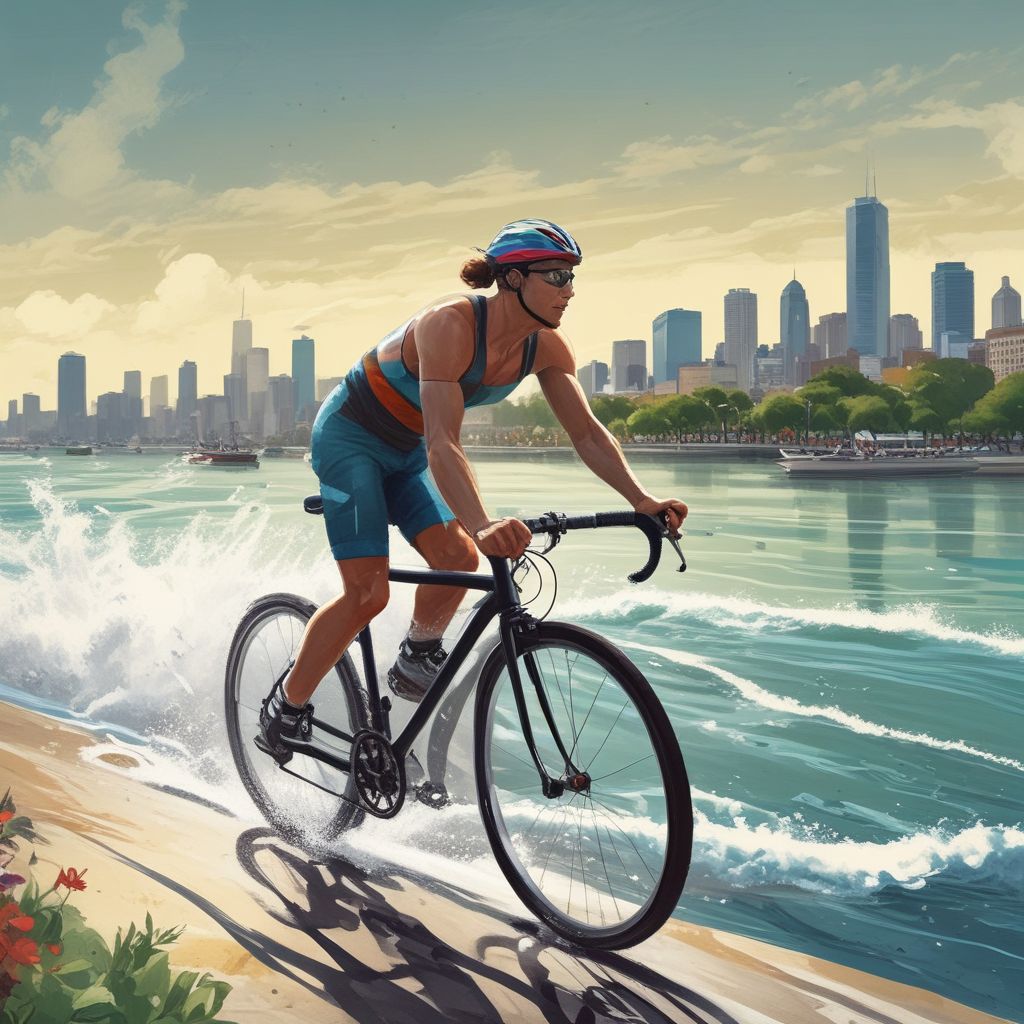
Urban Aquabike is reshaping endurance sport by mapping commuter cycling routes to river swim stages, turning everyday city infrastructure into spectator-friendly racecourses while emphasizing sustainability and urban stewardship. These hybrid events—part bike race, part open-water swim—take advantage of rivers, canals, and urban bike networks to deliver compact, accessible competitions that fit into the city day and invite communities into the action.
What is an Urban Aquabike?
An Urban Aquabike pairs a timed cycling leg that follows familiar commuter corridors with a swim stage staged in an inner-city waterway. Unlike traditional triathlons, the format typically omits the running segment, concentrating on high-octane bike packs and dramatic river swims that start, finish, or pass through busy public spaces. The result: a shorter, faster, and more spectator-friendly endurance event that highlights urban mobility and blue-green infrastructure.
Why cities and athletes are embracing the format
- Accessibility: Courses routed along commuter bike lanes and waterfront promenades are easy for residents to reach, increasing attendance and volunteer support.
- Visibility: Swim stages staged in rivers or canals give spectators close-up sightlines—no more distant loops on quiet roads.
- Sustainability: Events promote non-motorized transport and can partner with local water-quality initiatives to leave a positive environmental legacy.
- Compact footprint: Shorter transitions and looped bike sections reduce the need for long road closures and lessen disruption to city life.
Designing city-friendly aquabike routes
Route design is the backbone of a successful Urban Aquabike. Planners balance athlete safety, commuter needs, and spectator accessibility by following a few guiding principles:
- Leverage existing infrastructure: Use protected bike lanes, multi-use trails, and waterfront promenades rather than carving new paths through neighborhoods.
- Choose swim sites with safe access: Gentle slopes, floating docks, or staged swim platforms make river entries and exits manageable for all skill levels.
- Plan for water quality: Coordinate with municipal authorities to test and, if necessary, temporarily improve water conditions in the weeks before the event.
- Loop for spectators: Develop looped bike sections and swim viewing areas so fans can watch multiple passes without traveling far.
Logistical considerations
Organizers must address timing systems for multi-discipline transitions, secure gear storage close to swim exits, and clear signage for mixed-use corridors. Safety teams, including lifeguards and bike marshals, should be staged at high-traffic pinch points. Collaboration with transit agencies helps minimize disruption and provides attendees with alternative travel options during the event.
Greener racing: sustainability baked in
Urban Aquabike’s urban-centered model lends itself naturally to greener event practices. Because courses follow commuter routes, there’s less need for temporary road infrastructure and heavy traffic control. Many events incorporate these sustainability strategies:
- Zero-waste policies and reusable cup systems at aid stations
- Carbon-offset partnerships with local transit or tree-planting programs
- Bike valet services to encourage attendees to cycle to the event
- Onsite river cleanup days and long-term water-quality monitoring commitments
Spectator experience and city engagement
One of the most compelling aspects of Urban Aquabike is how it transforms the spectator experience. Instead of being confined to a single viewing area, fans can follow the action along a ring of accessible hotspots: a start/finish plaza, an energetic bike sprint on a protected lane, and an up-close swim exit at a waterfront stage. This concentrated, multimodal viewing loop creates festival-like energy that benefits local businesses and civic pride.
Programming and activation ideas
- Food markets and pop-up retail along the waterfront to support local vendors
- Interactive mobility exhibits showcasing bike-share and e-scooter integration
- Community swim clinics in the weeks leading up to the event to improve water confidence
- Artist-curated installations that celebrate the city’s river history and ecology
Athlete perspective: training and tactics
For competitors, Urban Aquabike demands a blend of power and open-water technique. Race-day tactics differ from road-only events because transitions are compressed and swims can be tactically decisive in narrow waterways. Key training and race-day tips include:
- Incorporate sighting and draft-awareness drills for confined swims
- Practice fast bike-to-swim and swim-to-bike transitions in circuits
- Prepare for variable water temperatures and currents that differ from pool conditions
- Use a well-fitted wetsuit and quick-release kit for efficient exits
Case examples: what successful pilots teach us
Early pilots and community races have shown that strong municipal partnerships and proactive water-quality work are non-negotiable. Events that paired race planning with local river restoration projects reported higher volunteer turnout, better media coverage, and a measurable improvement in public attitudes toward urban waterways. Successful pilots also leaned into local identity—staging start lines at historic bridges or designing medals that reflect the city skyline—to deepen community resonance.
Challenges and opportunities ahead
Urban Aquabike faces obstacles, particularly around permitting, liability on navigable waters, and ensuring equitable access. But these challenges are solvable with thoughtful stakeholder engagement. As cities look to reclaim waterways and promote active transport, aquabike events are uniquely positioned to spotlight sustainable mobility, generate revenue for river upkeep, and offer a fresh, urban-centric model for endurance sport.
In short, Urban Aquabike turns the commuter commute into a competitive spectacle, reconnecting residents with their rivers and bike networks while offering athletes a thrilling alternative to traditional long-course events.
Conclusion: Urban Aquabike is more than a race format—it’s a city-making tool that stitches together mobility, environment, and community into an accessible, spectator-friendly endurance experience that can scale with local priorities and placemaking goals.
Ready to bring an Urban Aquabike event to your city? Get in touch with local race directors and municipal planners to start mapping routes and testing river sites this season.