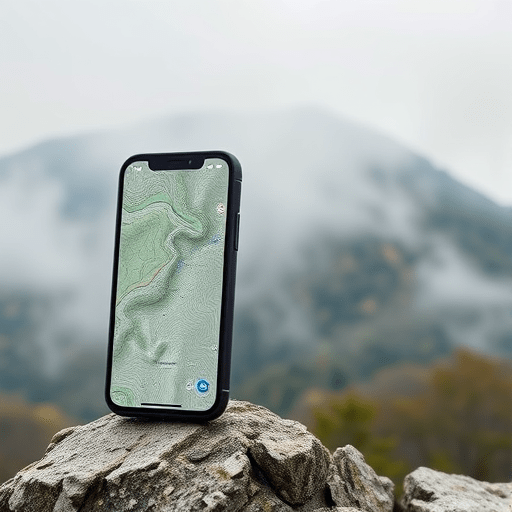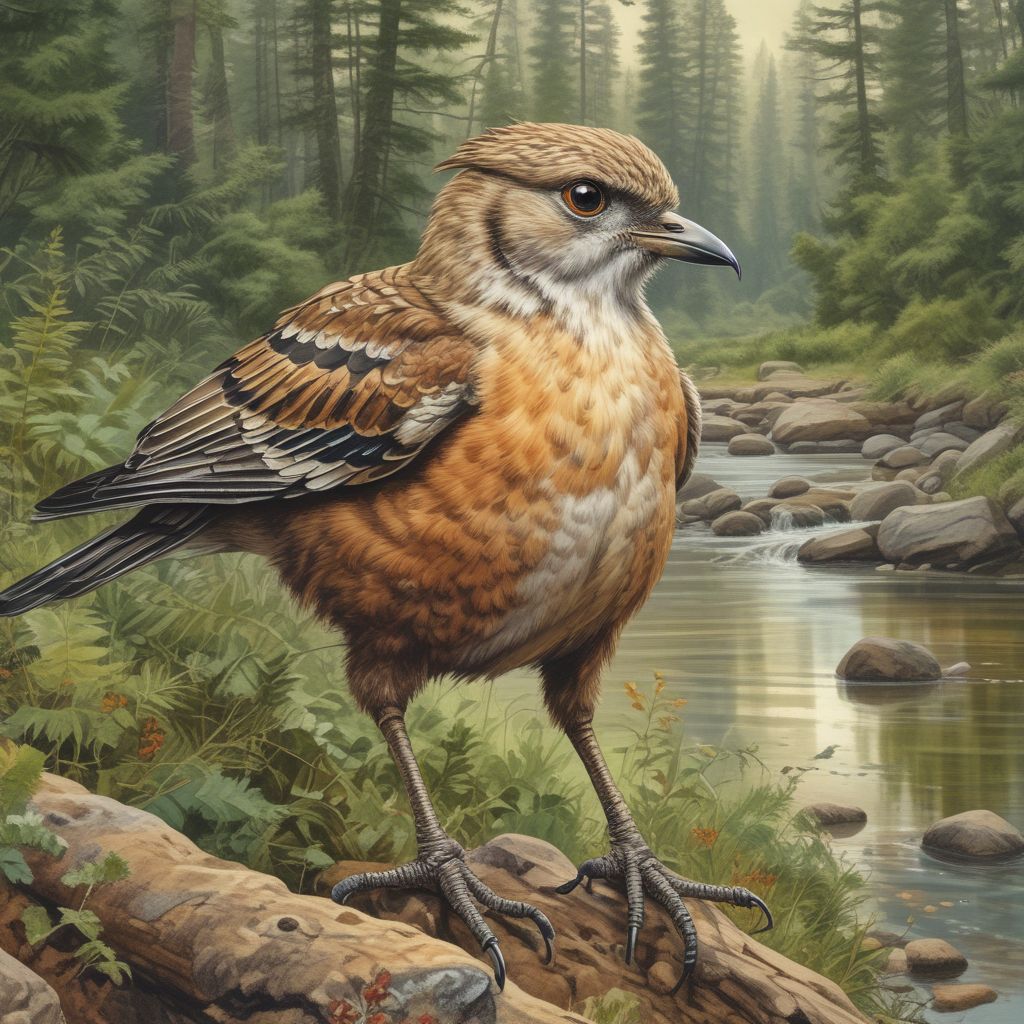
Trailcasting—planning hikes specifically tuned to wildlife soundscapes—unlocks a deeper way to experience the dawn chorus of birds and the dusk calls of mammals; this guide explains how to schedule dawn and dusk treks, choose routes that spotlight animal choruses, and practice low-impact listening techniques so nature remains undisturbed. Using simple timing, habitat awareness, and quiet methods, Trailcasting turns a walk into a curated acoustic encounter that benefits both the listener and the wildlife.
Why Dawn and Dusk Are Prime for Trailcasting
Dawn and dusk are transition periods when many species are most vocally active. Birds often produce a layered “dawn chorus” as territory holders and migrants sing to establish presence, while many mammals and amphibians become audible at dusk as they move, feed, and socialize. The low ambient noise and angled light of these hours also make detection easier—both audibly and visually—without needing to get close.
Choosing the Right Route
Route selection is the foundation of a successful Trailcasting hike. Prioritize diversity of microhabitats within a short walk—edge habitats, wetlands, riparian corridors, and open meadows each host different sound layers.
- Start near water: Marshes and creeks amplify frog and wader calls and attract birds and mammals seeking hydration.
- Include forest edge: The edge between woods and open land concentrates singing birds and foraging mammals.
- Avoid busy roads: Traffic masks soundscapes and stresses wildlife.
- Legal and safe access: Confirm trail opening times, permits, and seasonal closures—especially around nesting or calving areas.
Timing Windows
Plan hikes around civil twilight and nautical twilight depending on target species. For most songbirds, arrive 30–45 minutes before sunrise to catch the peak of the dawn chorus; for mammals like deer, foxes, or owls, plan to be on the move 20–60 minutes after sunset when activity increases.
Low-Impact Listening Techniques
Listening is the core skill of Trailcasting, and doing it responsibly ensures animal welfare and preserves natural behavior.
- Silence first: Spend at least five minutes in complete quiet to let the soundscape assert itself before moving or speaking.
- Slow, deliberate movement: Approach listening points quietly and pause frequently—sound often carries farther than sight.
- Minimize technology noise: Put phones on airplane mode, mute camera beeps, and avoid loud playback of calls; use headphones only for discrete monitoring if recording.
- Use passive observation tools: Binoculars, low-light headlamps with red filters, and compact audio recorders let you observe without disturbing animals.
Route Timing and Microhabitat Targets
Match your timing to the microhabitat:
- Marshes & wetlands: Best at first light for waders and frogs, and again near dusk for calling amphibians.
- Forest interiors: Early dawn is often quieter here but can reveal understory specialists and nocturnal species leaving roosts.
- Meadows and ridgelines: Good for open-country songbirds at dawn and for listening to bat activity emerging at dusk.
Reading the Soundscape: What to Listen For
Soundscapes are layered. Learn to parse three common layers to identify what you’re hearing:
- Foreground: Close, loud vocalizations—individual birds, frogs, or mammal calls.
- Midground: Territorial or repetitive songs from a short distance, often indicating habitat boundaries.
- Background: Faint, continuous textures—distant flocks, insect choruses, wind through canopy—that provide context for activity levels.
At dawn, listen for structure: the first loud notes often come from dominant males and can cue species presence. At dusk, attention shifts to shorter, contact calls and movement sounds—footsteps, rustling, or the high-pitched ticks of bats on echolocation detectors if you use one discreetly.
Safety, Ethics, and Wildlife Welfare
Ethics are non-negotiable in Trailcasting. Respect wildlife by:
- Avoiding playback except in sanctioned research contexts—playback can disrupt feeding, mating, and parental behavior.
- Keeping groups small and voices low; large noisy groups scatter animals and diminish soundscape quality.
- Maintaining distance from nests, dens, and known roosting sites—if an animal reacts strongly, back away.
- Leaving no trace: pack out all trash and avoid trampling vegetation around listening stops.
Sample 3-Hour Dawn Trailcasting Itinerary
- 05:00 — Arrive at trailhead; do a five-minute silence to tune ears.
- 05:05 — Walk slowly to first listening point (wetland edge), pausing every 200 meters to listen for layers of sound.
- 05:30 — Settle at a ridge or meadow; record 10 minutes of ambient audio with a low-profile recorder if desired.
- 06:00 — Move to a forest edge to listen for understory species and watch for movement in low light.
- 06:45 — Head back toward trailhead, noting species heard, and jotting short field notes without loud conversation.
Tools, Apps, and Citizen Science
Several tools enhance Trailcasting while supporting conservation: eBird and iNaturalist accept sightings; platforms like Merlin and Song Sleuth offer offline song IDs; and lightweight audio recorders or smartphone apps (used discreetly) can document soundscapes for later analysis. When sharing recordings, avoid posting precise locations for sensitive species to prevent disturbance.
Recording Best Practices
- Keep recordings short (1–3 minutes) and label files with date, time, and general habitat rather than GPS coordinates for sensitive species.
- Record in WAV or high-bitrate formats when possible, and include ambient notes about weather and wind.
- Contribute vetted recordings to citizen science platforms if you have permission and the platform supports sound submissions.
Trailcasting blends the patience of a naturalist with the craft of a field recorder: with planning, quiet technique, and habitat awareness, dawn and dusk treks yield profound acoustic discoveries without compromising animal welfare.
Ready to tune your next hike to the music of the wild? Pick a nearby trail, plan for twilight, and listen with care—nature will do the rest.