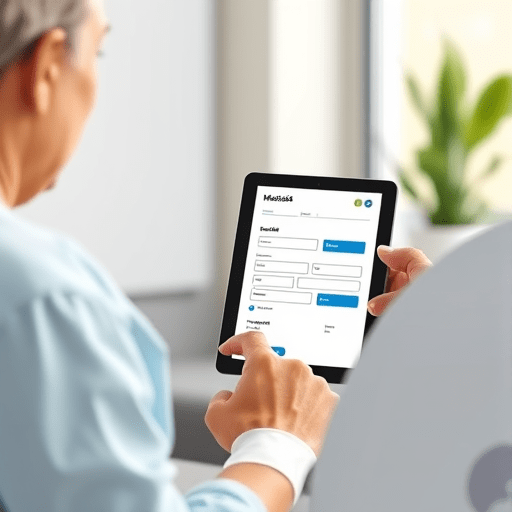
Designing a telehealth onboarding flow that secures Medicaid reimbursement requires more than just a polished interface; it demands a deep understanding of eligibility rules, consent nuances, and documentation standards. In this guide, we unpack five practical UX strategies that help providers create seamless, compliant onboarding experiences while meeting Medicaid’s evolving reimbursement criteria.
1. Start with Eligibility Screening—Fast, Accurate, and Transparent
Medicaid reimbursement hinges on correctly identifying eligible patients. A frictionless eligibility check reduces abandonment and builds trust. Key UX considerations include:
- Auto‑populate fields: Leverage existing patient data from EHR integrations to pre‑fill forms, minimizing manual input.
- Real‑time validation: Highlight missing or inconsistent information instantly so patients can correct errors on the spot.
- Explain outcomes: If a patient is deemed ineligible, provide a clear, actionable next‑step guide (e.g., contact social services).
By streamlining the eligibility process, you not only improve user satisfaction but also create a reliable data source that the billing system can trust.
2. Embed Contextual Consent Flows That Meet Policy Standards
Consent is a legal pillar in telehealth. Medicaid requires explicit authorization for both the medical service and the electronic transmission of health data. Effective consent UX involves:
- Progressive disclosure: Break consent into digestible sections—medical, privacy, and payment—each with its own “I understand” toggle.
- Visual cues: Use icons and color coding to signal mandatory versus optional components.
- Multilingual support: Offer consent language in the patient’s preferred language to meet accessibility standards.
Designing consent that feels natural reduces friction while ensuring compliance with state‑specific Medicaid mandates.
3. Integrate Documentation and Coding Seamlessly Into the User Flow
Accurate medical coding is vital for reimbursement. A well‑designed onboarding process can automatically capture necessary billing information:
- Dynamic code prompts: When a patient selects a service, pre‑fill CPT or ICD codes that align with Medicaid’s accepted list.
- Audit trail indicators: Highlight fields that are mandatory for billing to help clinicians and patients stay on track.
- One‑click sync: Push completed forms directly into the provider’s billing platform to eliminate manual data entry.
By embedding these steps early, you reduce claim denials caused by incomplete or inaccurate documentation.
4. Offer Real‑Time Technical Support Within the Onboarding Experience
Technical barriers are a common cause of drop‑off in telehealth onboarding. Medicaid requires reliable connectivity for virtual visits, so support must be proactive:
- In‑app chat or voice assistance: Provide instant help for connectivity or device setup issues.
- Device compatibility checks: Offer a pre‑visit screen test that verifies camera, microphone, and bandwidth adequacy.
- Fallback options: Allow patients to schedule a phone visit if video fails, ensuring the encounter still meets Medicaid criteria.
Effective support not only improves user confidence but also preserves the clinical encounter needed for reimbursement.
5. Leverage Continuous Feedback and Analytics to Refine the Onboarding Journey
Policy updates and new reimbursement guidelines can shift rapidly. An iterative approach to onboarding ensures your UX stays compliant:
- Post‑visit surveys: Capture pain points and satisfaction scores within the first 24 hours of the visit.
- Heatmaps and clickstream analysis: Identify bottlenecks or confusing UI elements that lead to form abandonment.
- A/B testing: Experiment with alternative layouts or wording to optimize completion rates and policy adherence.
By continuously monitoring and adjusting, you maintain an onboarding process that evolves with Medicaid’s reimbursement landscape.
In summary, securing Medicaid reimbursement in telehealth isn’t solely a backend challenge—it’s a front‑end opportunity. By prioritizing fast eligibility checks, transparent consent flows, integrated billing documentation, real‑time support, and data‑driven iteration, providers can craft onboarding experiences that are both user‑friendly and compliant. These strategies empower patients, streamline clinician workflows, and safeguard the financial health of telehealth programs in 2026 and beyond.