The Silk Road’s Spicy Legacy
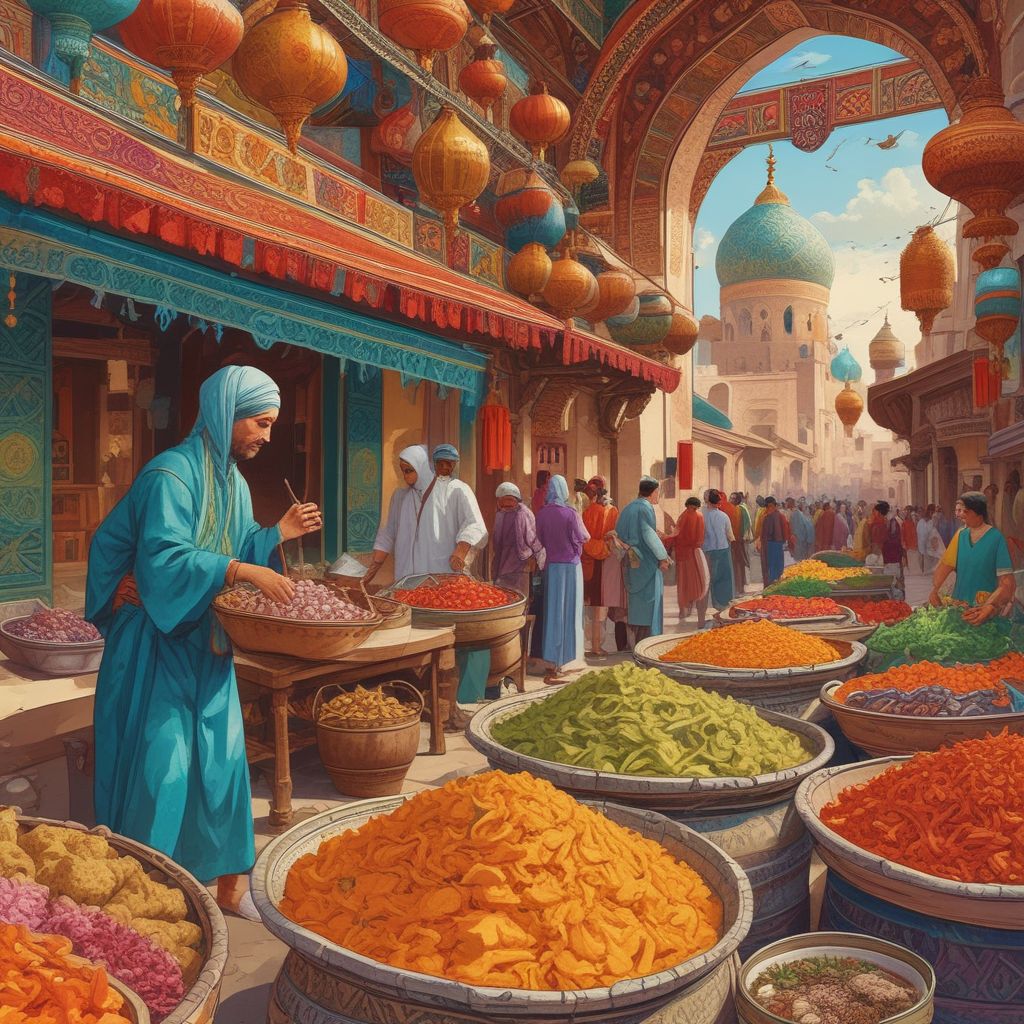
The Silk Road wasn’t just silk and porcelain; it was a flavor highway. From the 2nd century BCE, caravans ferried cumin from India, saffron from Persia, and pepper from Indonesia across Uzbekistan’s steppes. Samarkand served as the epicenter, where merchants bartered these treasures in teeming bazaars.
Today, echoes linger in every market stall. Cumin seeds, toasted to release nutty depths, season plov—the rice dish fit for kings. Saffron, the priciest spice by weight, infuses pilafs with floral luxury. These aren’t relics; they’re daily fuel for Uzbeks, evoking Tamerlane’s feasts and nomadic campfires.
- Cumin’s Journey: Arrived via Persian routes, now essential in plov for its warm, anise-like bite.
- Saffron’s Gold: Hand-harvested stigmas from Iran, lending pilafs an opulent hue and honeyed aroma.
- Black Cumin: A Silk Road staple, peppery and medicinal, sprinkled on breads.
Stepping into these bazaars feels like time travel. No glossy signs or credit cards—just haggling in Uzbek, the clink of scales, and invitations to “taste, taste!” from grinning elders.
Unveiling Samarkand’s Off-Grid Markets
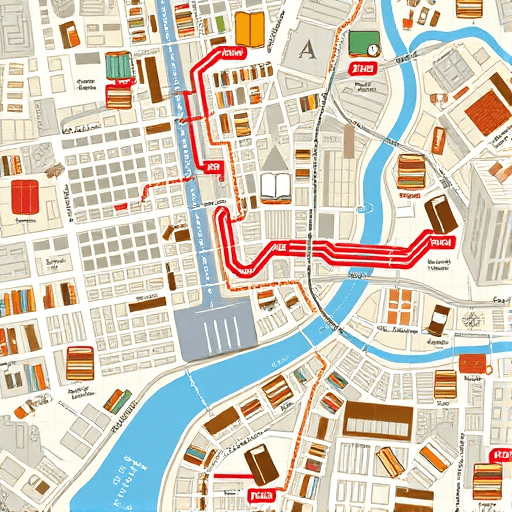
Forget the polished Siab Bazaar. The real magic hides in Samarkand’s labyrinthine backstreets, like the shadow markets near Chorsu or the warren behind Registan Square. These off-grid gems draw locals at dawn, when traders unpack burlap sacks brimming with spices.
Navigating feels adventurous: narrow lanes flanked by mud-brick walls, alive with donkey carts and women in atlas silk. The air shifts—first garlic’s pungency, then coriander’s citrus zing, culminating in cumin’s smoky embrace. Vendors cluster around massive kazan cauldrons, bubbling with plov cooked over open flames.
Top Hidden Spots to Explore
- Alayskiy Bazaar Enclave: Tucked west of the city center, famed for saffron dealers who let you grind stigmas fresh.
- Shah-i-Zinda Back Alleys: Near the necropolis, traders offer pilaf tastings amid turquoise tiles.
- Urgut Day Market: A 45-minute drive out, an overwhelming spice avalanche with plov demos.
Safety thrives here through community bonds. Greet with “Assalomu alaykum,” accept tea, and doors open to private tastings.
Hands-On with Local Traders
Meet Rustam, a third-generation trader in a nondescript lane. His stall overflows with cumin mounds the color of autumn leaves. “Plov without cumin? Like life without soul,” he chuckles, handing you a wooden spoon. Dive into his demo: rice layered with lamb, onions, and barberries, slow-cooked for hours.
Next, saffron maestro Dilnoza unveils pilaf secrets. Strands dissolve in hot broth, turning grains amber. Taste the difference—her version sings with pistachios and dried fruits, a nod to Bukharan Jews who refined it centuries ago.
These encounters aren’t tours; they’re immersions. Traders share lore: how nomads preserved spices in camel saddles, or why plov portions feed dozens at weddings. Expect sore cheeks from smiling, full bellies, and spice-stained fingers.
“In bazaars, spices aren’t sold—they’re shared stories.” – Local proverb
Mastering Cumin-Laced Plov and Saffron Pilafs
Plov reigns supreme, UNESCO-recognized as intangible heritage. Cumin elevates it from mere rice to symphony: its oils coat each grain, mingling with lamb fat for umami depth.
Simplified Plov Recipe (Serves 6)
- 2 cups basmati rice, rinsed
- 1 lb lamb shoulder, cubed
- 3 carrots, julienned
- 2 onions, sliced
- 2 tbsp cumin seeds, toasted
- 1 tsp barberries (or raisins)
- Salt, oil; cook in heavy pot over low heat 2 hours
Saffron pilaf offers elegance. Soak threads in warm water, stir into parboiled rice with butter and almonds. In bazaars, try zira-plov (cumin-heavy) or shirin-plov (sweet with quince).
Variations abound:
- Osh: Mountain plov with chickpeas.
- Devzira Pilaf: Heirloom rice dyed saffron-gold.
- Sumsum Plov: Sesame-cumin twist from Tashkent influences.
Beyond Plov: Uzbekistan’s Spice Arsenal
Cumin and saffron star, but allies shine too. Coriander seeds add lemony brightness; paprika lends smoke; nigella (black cumin) brings onion-garlic punch. Fermented garlic bulbs pack heat, while dried apricots sweeten stews.
Traders roast blends on-site—watch cumin pop like fireworks. Buy loose for authenticity; sniff for freshness (vibrant aroma trumps dull packets).
Spice Souvenirs to Pack
- Cumin (zira): Versatile for home curries.
- Saffron: Tiny tins last years.
- Sumac: Tart berries for salads.
- Lavashak: Fruit leather spiced with chili.
Pro tip: Vacuum-seal to preserve potency through your journey home.
Planning Your Spice Quest
Timing matters. Visit April-May or September-October for mild weather and peak harvests. Dawn arrivals beat crowds; linger till noon for tastings.
Essential Tips
- Transport: Taxis or Yandex Go from hotels; negotiate fares.
- Language: Google Translate with Uzbek pack; smiles bridge gaps.
- Health: Hand sanitizer, bottled water; plov is hearty—pace yourself.
- Costs: Tastings free with purchase (1kg spices ~$5-10); plov bowl $2.
- Guides: Apps like Maps.me for alleys; homestay hosts connect to traders.
Respect customs: Remove shoes in homes, right-hand eating, no waste—traders notice.
A Flavorful Farewell
Leaving Samarkand’s bazaars, your suitcase bulges with spices, but the real treasure is sensory memory: cumin’s lingering warmth, saffron’s glow, traders’ laughter. This odyssey revives the Silk Road, proving flavors outlast empires.
Return changed—a mini-merchant armed with plov prowess. Uzbekistan’s hidden markets await; answer the call, spoon in hand.
Word count: 1,128. Photos: Bazaar stalls, plov cauldrons, spice hands (add via WordPress media).