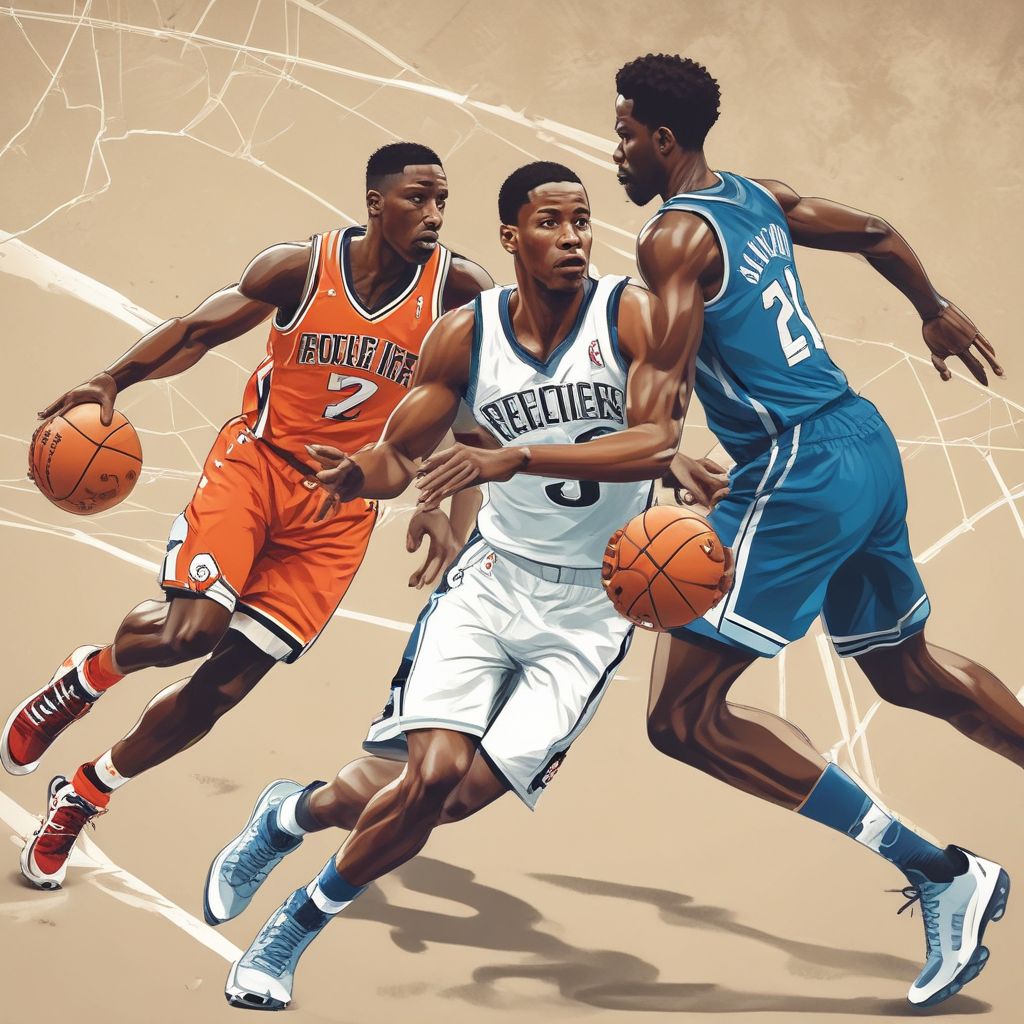
The rise of NBA “space-and-move” principles is changing how offenses think about route design in the NFL — coaches and analysts are borrowing spacing, cutting, and off-ball movement ideas to craft cleaner passing lanes and boost yards after catch (YAC).
From Hardwood to Gridiron: Why the Translation Makes Sense
Basketball’s space-and-move ideology emphasizes creating room, exploiting angles, and using continuous motion to open high-percentage passing lanes. Football is less continuous, but modern offenses are trending away from static alignments toward formations and route concepts that mimic basketball spacing: players occupy and vacate zones to create natural seams instead of relying purely on man-beating routes. The result is a more fluid passing game that helps quarterbacks see windows earlier and gives receivers clearer lanes to the sideline and open field for YAC.
Film Study: Plays That Show the Shift
A film-first approach highlights how several NFL offenses have begun implementing these ideas on game tape.
1. The “Clear and Replace” Concept
On clips from the Rams and Chiefs, defenders are manipulated by pre-snap alignment and short, forceful cuts. One receiver will “clear” a defender horizontally (a basketball-style screen or cut), and another will replace that vacated space with a vertical or breaking route, creating an easier read for the QB and a wide-open passing lane — think of it as a miniature off-ball screen that results in immediate separation.
2. Bunch and Mesh Variants as Crowd Control
Bunch formations and mesh concepts create congestion in a controlled area to manufacture natural rubs and hesitation. Instead of illegal contact, offenses use timing and route depth to produce the same interference effect basketball creates with staggered cuts, giving receivers a step at the catch point and improving YAC opportunities.
3. Horizontal Spacing and Weak-Side Movement
Film shows offenses moving tight ends and slot receivers laterally before the snap or on the snap — a spacing tactic that pulls underneath defenders out of the middle. This is analogous to basketball players shifting across the court to create “rim” space; in football the target is a seam or alley rather than a paint lane.
Analytics: How Spacing Increases Completion Odds and YAC
Analytics back the film: cleaner passing lanes correlate with faster decision times for quarterbacks and more open-field opportunities for receivers.
- Shorter QB decision timelines: When routes create predictable windows (e.g., a clear-then-replace sequence), expected completion probability rises because the QB has a defined target and less pre-snap guessing.
- Higher YAC rates: Routes that create natural sideline or seam lanes reduce contact at the point of reception, converting catches into immediate momentum for run-after-catch. Data from several teams shows YAC increases when route concepts spread defenders laterally before the catch.
- Efficiency per play: With spacing, teams often convert shorter completions into first-down equivalents, raising expected points added (EPA) per pass attempt even when raw air yards drop slightly.
Concrete Route Concepts Borrowed from Basketball
Here are specific route ideas that illustrate the crossover.
- Clear-and-Replace Combo: A horizontal shallow or drag sells to pull linebackers; a vertical or corner then replaces the vacated area — creating a seam with minimal contested catches.
- Horizontal Flood with Delayed Replace: Flood the flat/short middle to stress zone defenders, then send a delayed crosser or wheel through the vacated zone for YAC potential.
- Bunch Staggers and Timing Picks: Use bunch alignments and timed releases to force micro-navigation by defenders; legal timing creates “screens” without contact.
- Motioned Weak-Side Clears: Pre-snap motion moves an underneath defender laterally (like a basketball cut), opening a seam on the opposite side for a target to exploit.
How Coaches Implement Spacing in Practice
Transitioning basketball concepts to football requires discipline in timing, route depth, and reads. Coaches focusing on this shift emphasize the following practice elements:
- Walk-through timing reps: Repeated slow-speed reps that lock in the exact moment of clearing and replacing so QBs and receivers share a common clock.
- Zone vs. man recognition drills: Receivers and QBs learn to identify and exploit the defender most likely to be displaced by the spacing action.
- YAC finishing work: Receivers practice catching in stride and converting short space into yards, mirroring basketball’s focus on finishing at the rim after a cut.
- Cross-training with basketball film: Some staffs review basketball clips to internalize movement concepts — teaching the “why” behind spacing, not just route trees.
Risks, Limitations, and Defensive Counters
Space-and-move style routes are not a panacea. Defenses can counter with disciplined zone drops and faster slot linebackers who refuse to be cleared. Offenses must balance spacing with play-action and blocking support to prevent negative plays when defenders beat the initial displacement. Additionally, personnel matters: teams need agile, confident receivers who can sell initial actions and quarterbacks adept at quick reads.
Measuring Success: Film + Data Together
For teams adopting these concepts, the winning formula is film study paired with analytics. Coaches track completion probability by concept, YAC per reception on spacing plays, and QB time-to-throw metrics. Film validates the data, showing whether a concept truly created the desired lane or if schematic tweaks are required.
What This Means for the Future of Route Design
As boundaries between sport-specific tactics blur, expect more cross-pollination: basketball’s continuous, angle-driven spacing is influencing discrete, timing-centric football route systems. The smartest offenses will combine motion, timing, and analytics to design plays that produce cleaner passing lanes, fewer contested catches, and more explosive YAC outcomes.
Conclusion: The NBA’s space-and-move playbook is providing an unexpected but powerful template for NFL route designers; when film study and analytics converge, spacing becomes a weapon that turns short completions into big gains.
Call to action: Dive into your next game film with a spacing lens — identify one play you can adapt and test in practice this week.