Soundwalks of the city are a simple, transformative way to discover urban character by listening: this guide presents five curated walking routes—through markets, transit hubs, alleys, waterfront industry, and parks—plus timing tips, local playlist ideas, and etiquette so you can hear a city’s soul, not just see it.
Why Listen? The Case for Soundwalking
Walking through a city with your ears attentive reframes familiar places. Visual maps show streets and buildings; soundwalks reveal rhythms, materials, human interactions, and history embedded in noise: scooters and vendors tell you about mobility and economy, footsteps on cobblestones reveal surface stories, and distant sirens hint at urban networks. A thoughtful soundwalk can change how you navigate, photograph, or design a place.
How to Prepare
Essential Gear
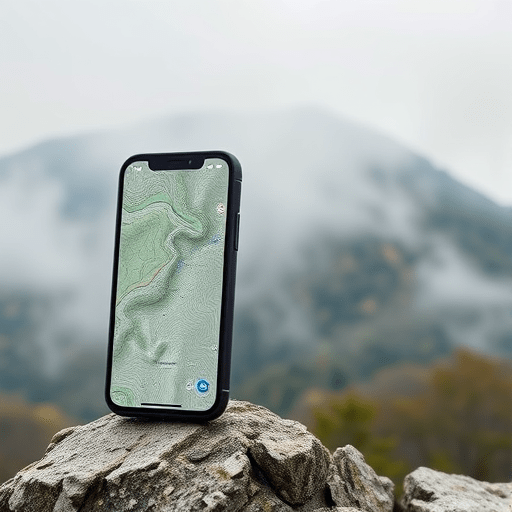
- Smartphone with a simple audio app (voice memo) or a field-recording app for higher quality.
- Optional: small external microphone or lavalier mic for clearer ambient capture.
- Comfortable shoes, a small notebook or notes app, and a lightweight water bottle.
Listening Mindset and Safety
- Use one earbud or keep volume low so you remain aware and approachable.
- Respect private spaces and people—ask before recording conversations or close-up sounds.
- Plan breaks: sound fatigue is real; alternate focused listening with quiet observation.
Five Curated Routes
1. Market Mosaic: The Commerce Soundwalk
Why go: Markets are acoustic palimpsests—sales calls, chopping boards, the creak of scales and laughter form a dense layer of social and economic life.
- Start: perimeter streets where delivery trucks arrive—listen for loading rhythms.
- Core: vendor stalls—note timbres of different trades (fish vs. spice stalls vs. butchers).
- Exit: the alleyways behind stalls where refrigeration hums and waste collection punctuate the day.
Timing tip: early morning (dawn to 9am) for deliveries and set-up; late afternoon for peak bargaining and human chatter.
Playlist idea: percussion-forward indie, field recordings of markets, and short-world-music tracks that mirror call-and-response patterns.
2. Transit Spine: Hubs, Platforms, and Interchange Rhythms
Why go: Transit hubs compress a city’s tempo—announcements, rolling stock, footsteps, and friction sounds encode scheduling, density, and mood.
- Start at a bus depot or tram yard to hear vehicle idling, pneumatic systems and driver calls.
- Move to platforms to note vocal announcements, crowd flows and the Doppler of passing trains.
- Finish at a pedestrian overpass to listen to the layered soundscape from above.
Timing tip: rush hour reveals density and stress; off-peak shows mechanical textures and infrastructure hum.
Playlist idea: ambient electronic tracks that echo mechanical repetition, interspersed with recorded platform announcements for contrast.
3. The Alleys and Backstreets Walk
Why go: Backstreets reveal intimate urban life—air-conditioning compressors, private conversations, laundry lines, and the creak of old stairs.
- Focus on material: brick, metal gates, and wooden steps each color the sound differently.
- Pause at service entrances and courtyards; these micro-places often host surprising acoustic signatures.
Timing tip: late morning or early evening—when domestic routines and small businesses are audible but streets are not at their busiest.
Playlist idea: minimal acoustic or lo-fi tracks to let fragile city details come through.
4. Waterfront & Industry: The City’s Mechanical Edge
Why go: Harbors and industrial corridors show the city’s production side—cranes, ship horns, conveyor belts and distant machinery create a different sonic vocabulary.
- Walk the edge of the water and then inland along industrial streets to contrast natural water sounds with industrial textures.
- Respect restricted areas—observe from public vantage points and listen to the interaction of wind, water, and metal.
Timing tip: morning to midday for active loading; evenings can yield eerie, expansive soundscapes with fewer people.
Playlist idea: cinematic drones, low-frequency compositions, and tracks with oceanic reverberation to mirror the waterfront mood.
5. Green Rooms: Parks, Cemeteries, and Quiet Squares
Why go: Parks show the city’s breathing spaces—birdsong, children, distant traffic filtered by trees, and the crunch of leaves underfoot.
- Walk the perimeter to hear urban edge effects; move to the center to hear the park’s interior acoustic signature.
- Listen for human rituals—dog walkers, joggers, and lovers’ conversations—that define public life at a human scale.
Timing tip: dawn for bird activity; late afternoon for families and relaxed human rhythms.
Playlist idea: light chamber music, acoustic folk, or curated natural field recordings to complement the park’s sound palette.
Recording and Sharing: Make Your Soundwalk Meanings
Record short samples (10–30 seconds) rather than long monologues, tag them with location and time, and build a simple folder or playlist that tells a sonic story. If sharing publicly, provide context—why you recorded a spot, what you noticed, and any permissions obtained. Consider creating a timed soundtrack for a route, with short ambient pieces that align with stretches of the walk.
Etiquette and Ethical Listening
- Always ask before recording identifiable people or private conversations.
- Avoid amplifying or playing loud audio that changes someone else’s experience of a public space.
- Respect cultural practices and sensitive sites—cemeteries, memorials, or religious buildings may require different behaviors.
Final Tips
- Repeat the same route at different times to hear how a place changes across a day or week.
- Bring a friend—shared listening can surface observations you might miss alone.
- Create a local playlist to play before or after the walk to prime or reflect on your listening.
Soundwalks of the city are a low-effort, high-reward practice: they deepen curiosity, sharpen attention, and build emotional knowledge of place that maps and photos rarely capture. Simple preparation, respectful behavior, and a willingness to linger will turn ordinary routes into revealing auditory portraits of urban life.
Try one of the five routes this week and share a short audio clip to start a local listening conversation—discover the city by listening, not just by seeing.