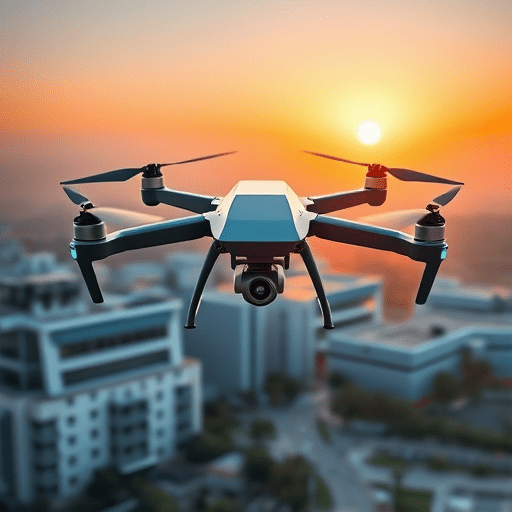
Smart Streets That Self‑Heal: IoT‑Connected Pavement Sensors Trigger Autonomous Road Repairs
In today’s rapidly evolving urban landscapes, maintaining smooth, safe roads is a constant challenge. Smart streets that self‑heal offer a groundbreaking solution: embedded sensor networks that detect surface cracks in real time and dispatch autonomous repair drones to fix them instantly. This blend of Internet of Things (IoT) technology, artificial intelligence, and unmanned aerial vehicles is reshaping road maintenance, cutting costs, and keeping traffic flowing with minimal interruption.
How the Technology Works
The heart of the self‑healing street lies in a multi‑layered system that integrates hardware, software, and robotic agents. Sensors—often pressure‑sensitive polymers or fiber‑optic cables—are laid beneath the pavement. They continuously monitor micro‑shifts, temperature fluctuations, and stress patterns. When a crack forms or widens beyond a threshold, the sensor network sends a real‑time alert to a central cloud platform. The platform analyzes the data, confirms the defect, and triggers a deployment protocol for a fleet of autonomous repair drones.
The Sensor Network: Detecting Cracks in Real Time
- Embedded Strain Sensors: Thin, flexible sensors are woven into the asphalt during installation. They record minute deformations, offering an early warning of structural fatigue.
- Wireless Mesh Connectivity: Sensors communicate via low‑power radio or LoRaWAN, forming a resilient mesh that ensures continuous data flow even in dense urban environments.
- Edge Computing: On‑site processors perform preliminary anomaly detection, reducing bandwidth needs and accelerating response times.
- Predictive Analytics: Machine‑learning models forecast crack propagation, enabling preemptive repairs before traffic damage escalates.
From Detection to Repair: The Autonomous Drone Workflow
- Alert Generation: Once a sensor packet indicates a crack, the central system flags the exact GPS coordinates.
- Drone Dispatch: An autonomous ground or aerial drone—equipped with a self‑leveling patching arm—receives the mission parameters.
- Inspection and Verification: The drone conducts a visual and laser scan to confirm the defect’s dimensions.
- Patch Application: Using a specialized adhesive or molten polymer, the drone lays a repair patch that conforms precisely to the crack geometry.
- Quality Assurance: Post‑repair imaging ensures the patch’s integrity; the drone updates the status in the system, closing the loop.
Benefits for City Planners and Commuters
Adopting self‑healing streets delivers tangible gains across multiple dimensions:
- Cost Efficiency: Traditional maintenance involves manual inspections, labor, and heavy equipment. Automated drones reduce labor hours by up to 70% and eliminate the need for large trucks.
- Reduced Traffic Disruption: Repairs can be scheduled during off‑peak hours or performed on‑the‑fly without lane closures.
- Extended Pavement Life: Prompt crack sealing prevents water infiltration and freeze–thaw damage, extending road lifespan by 10–15 years.
- Data‑Driven Asset Management: Continuous monitoring provides granular condition reports, enabling smarter budgeting and proactive upgrades.
- Environmental Impact: Lower vehicle idling reduces CO₂ emissions, and the precise patching reduces material waste.
Challenges and Future Innovations
While the promise is enormous, several hurdles remain:
- Initial Capital Outlay: Installing sensor networks and purchasing drones requires upfront investment. Public‑private partnerships and phased rollouts can mitigate financial risk.
- Regulatory Compliance: Autonomous drones operating near roads must meet aviation and road safety regulations. Harmonizing local ordinances is essential.
- Data Security: Protecting the sensor network from cyber‑attacks is critical. Robust encryption and intrusion detection systems are mandatory.
- Maintenance of the Sensors: Although sensors are designed to be durable, extreme weather and traffic load can degrade them. Regular calibration protocols are required.
Future iterations may incorporate smart materials that self‑seal without external patches, AI‑driven swarm drones for rapid multi‑point repairs, and integration with city-wide traffic management systems to optimize repair schedules.
Case Studies Around the World
Several municipalities have piloted or fully implemented self‑healing street technology:
- Singapore: The Smart Nation initiative deployed fiber‑optic sensors across key arterial roads, reducing maintenance costs by 35% in the first year.
- Barcelona, Spain: A collaboration with a local robotics firm installed autonomous patching drones on the city’s historic streets, preserving heritage while keeping traffic moving.
- Boston, USA: The Department of Transportation tested a LoRaWAN sensor mesh on a commuter corridor, achieving near real‑time crack detection and drone‑based repair in less than 30 minutes.
- Dubai, UAE: Utilizing solar‑powered drones, the city repaired over 200 km of road in a single month during a severe heatwave, showcasing resilience under extreme conditions.
Getting Started: Steps for Municipalities
- Feasibility Assessment: Conduct a pilot on a high‑traffic segment to gauge sensor performance and drone efficacy.
- Stakeholder Engagement: Involve engineers, traffic authorities, and community groups to align expectations and address concerns.
- Vendor Selection: Evaluate sensor manufacturers, drone providers, and cloud‑analytics platforms based on interoperability and support.
- Regulatory Alignment: Work with aviation and road safety agencies to secure permits and define operational parameters.
- Funding Strategy: Explore grants, municipal bonds, or public‑private partnerships to finance the rollout.
- Implementation and Training: Deploy sensors, set up the cloud platform, and train maintenance crews on drone operation and data interpretation.
- Continuous Improvement: Monitor KPIs such as repair time, cost savings, and pavement life extension, refining algorithms and hardware as needed.
By systematically integrating IoT‑connected pavement sensors with autonomous repair drones, cities can transform reactive road maintenance into a proactive, data‑driven process that keeps traffic flowing and infrastructure resilient.
Ready to transform your city’s roads? Contact us to start the journey toward self‑healing streets.