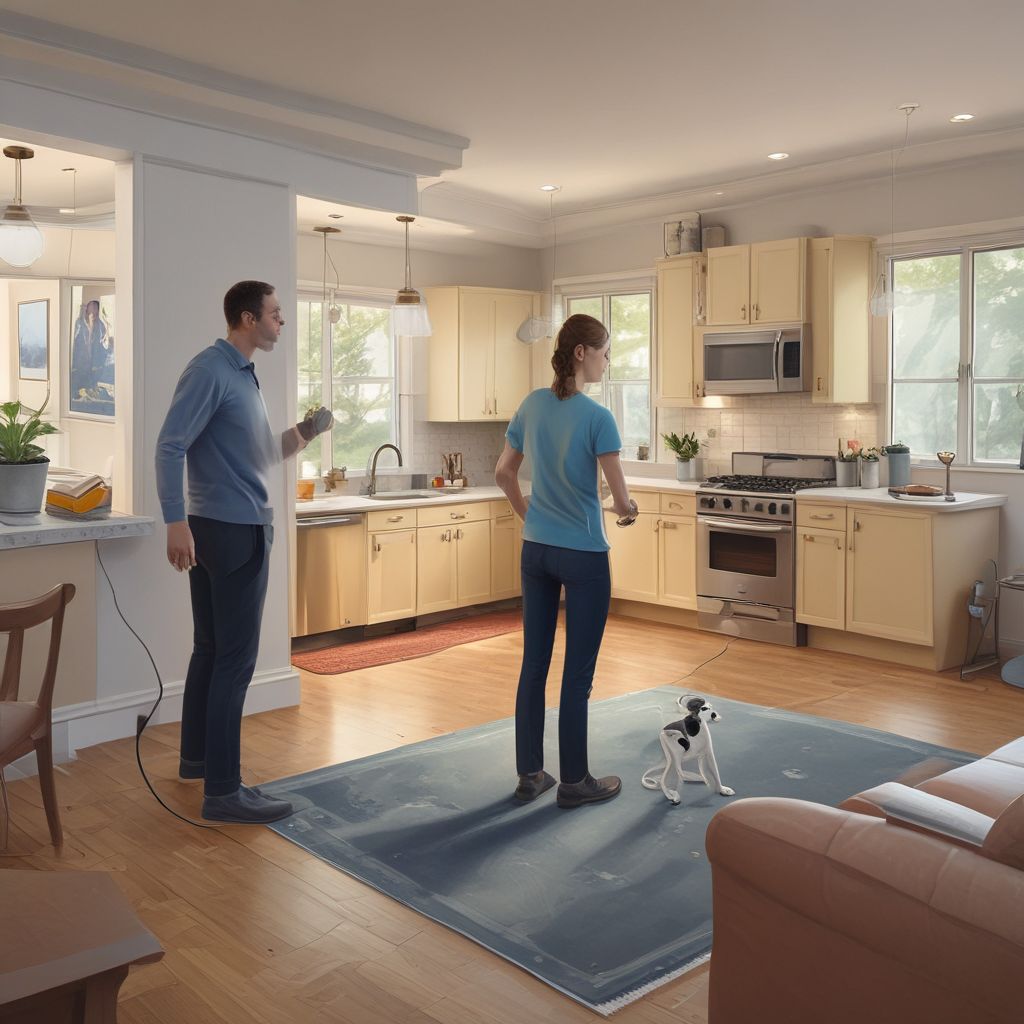
Smart-Home Routine Signatures—patterns derived from passive IoT sensors such as motion detectors, appliance-use logs, and gait sensors—are emerging as powerful, objective measures of functional recovery after stroke and during neurodegenerative disease management. By capturing everyday behaviors without active patient burden, these routine signatures can reduce clinic visits, enable continuous monitoring, and be engineered to meet regulatory standards for digital endpoints. This article outlines how passive IoT patterns can be validated, privacy-preserved, and integrated into clinical workflows as regulator-ready outcome measures.
Why Passive IoT Patterns Matter in Rehab
Traditional recovery assessment typically relies on infrequent clinic-based scales and patient self-reports, which can miss fluctuations and day-to-day improvements. Passive IoT signals—motion detections in rooms, smart-plug appliance events, and in-home gait sensors—provide high-frequency, ecological data that reflect real-world functioning. These data help clinicians and researchers observe transitions (e.g., increased kitchen usage as mobility improves), quantify gait and balance in natural settings, and detect subtle declines earlier than scheduled visits.
Clinical Advantages
- Objective, continuous measurement of function without extra tasks for patients.
- Reduced frequency of in-person visits—saving time, cost, and exposure risk.
- Enhanced sensitivity to small but clinically meaningful changes in daily living.
Key Passive IoT Signals and What They Reveal
Not all sensors are equal—combining complementary signals creates richer routine signatures. Below are core passive patterns and typical interpretations for rehab monitoring.
Motion Sensors (PIR)
- Room transition frequency and duration — mobility and activity level.
- Nighttime movement patterns — sleep disruption, nocturia, fall risk indicators.
- Time-to-first-movement in the morning — functional independence indicator.
Appliance Use and Smart Plugs
- Kitchen appliance events — meal preparation ability and executive function.
- Medication-timed device usage (e.g., kettle, TV) — adherence proxies and routine stability.
- Changes in frequency or pattern — early sign of functional decline or recovery.
Gait Sensors and Floor/Camera-Derived Metrics
- Step cadence, stride time variability, and asymmetry — core mobility endpoints post-stroke.
- Turning time and speed — fall risk and balance recovery markers.
- Passive depth or radar sensors for unobtrusive spatial gait metrics when wearables are not feasible.
From Signals to Regulatory-Grade Endpoints: Validation Roadmap
Transforming routine signatures into regulator-ready digital endpoints requires rigorous demonstration of technical and clinical validity, reliability, and interpretability.
1. Analytical Validation
- Signal fidelity: show sensors accurately detect events across environments and device models.
- Algorithm robustness: validate feature extraction and signal processing pipelines against ground truth (lab gait capture, clinician-observed activities).
- Reproducibility: demonstrate stable metrics across repeated measurements and users.
2. Clinical Validation
- Correlation with established clinical scales (e.g., Fugl-Meyer, UPDRS) and patient-centered outcomes.
- Responsiveness: show the signature changes meaningfully with interventions or natural recovery.
- Meaningful change thresholds: define minimal clinically important differences (MCID) using anchor-based methods.
3. Regulatory & Qualification Pathways
- Engage early with regulators (FDA, EMA) via qualification or pre-submission meetings to align on evidence standards.
- Document analytic and clinical validation in structured technical files and validation plans.
- Provide transparency on algorithms—use explainable models or offer model cards and detailed performance matrices.
Privacy, Ethics, and Deployment Considerations
Passive monitoring raises privacy and ethical challenges that must be addressed for clinical acceptance and regulatory support.
Privacy-Preserving Design
- Edge processing: compute features locally on gateways to avoid raw video/audio transmission.
- Data minimization: store only derived metrics (e.g., step count, room transition rate) instead of raw sensor streams.
- Anonymization and encryption: ensure secure storage and transfer with patient consent management.
Consent and Acceptability
- Clear informed consent describing what is measured, how it is used, and retention policies.
- User controls to pause monitoring and transparency dashboards to improve trust and adherence.
Implementation: Integrating Routine Signatures into Care
Successful clinical deployment depends on practical workflows and stakeholder alignment.
Clinical Workflows
- Remote triage: use signatures to trigger telehealth visits when objective decline is detected.
- Rehab personalization: tailor therapy intensity and goals based on objective activity trends.
- Outcome reporting: include validated signature metrics in trial endpoints and electronic health records.
Pilot Study Design Checklist
- Define primary digital endpoint and its MCID before enrollment.
- Include concurrent gold-standard assessments for calibration and validation.
- Recruit diverse home environments to test generalizability across living contexts.
Real-World Example (Hypothetical)
In a multicenter trial of post-stroke rehabilitation, a composite routine signature—combining morning room transitions, kitchen appliance events, and gait asymmetry—was validated against supervised mobility tests. The composite detected clinically meaningful improvement two weeks earlier than the monthly clinic scale and reduced required in-person visits by 30%, while meeting pre-specified analytical performance targets in diverse home settings.
Challenges and Future Directions
Key challenges include sensor heterogeneity, algorithmic bias across populations, and the need for standardized reporting frameworks. Solutions are emerging: open datasets for home-based sensor signals, consensus guidelines for digital endpoint validation, and interoperable data standards to ease integration. As trust, evidence, and regulations converge, smart-home routine signatures are poised to transform remote rehab monitoring.
Conclusion: Smart-Home Routine Signatures derived from passive IoT patterns present a scalable, objective, and privacy-aware path to regulatory-grade digital endpoints in stroke and neurodegenerative rehabilitation, enabling earlier detection of change, personalized care, and reduced clinic burden.
Call to action: Explore a pilot integration of passive IoT routine signatures with your rehab program to measure real-world recovery more precisely and efficiently.