Shrink Your Suitcase: Freeze Your Vacuum-Sealed Bag to Keep Clothes Fresh and Compact – A Practical Hack for Travelers
Traveling light is a dream for many, but packing often turns into a chore that takes up precious time and space. If you’ve ever stared at a cramped suitcase and wondered how to fit more, you’ll love the idea of shrink your suitcase by freezing a vacuum-sealed bag. By combining a vacuum sealer with a quick freeze, you can compress your clothes into a tiny, odor-free package that fits easily into any bag.
Why This Hack Works
Vacuum sealers remove air, cutting the volume of the bag by up to 80%. When you add a freeze step, the clothes inside contract slightly due to the cold, tightening the seal even more. The result is a bag that is thinner, lighter, and protected from moisture, odors, and wrinkles.
- Compactness: The combination of vacuum and cold shrinks the bag by an additional 10–15% compared to vacuum alone.
- Freshness: Freezing kills most bacteria and molds that cause odors, keeping clothes fresher for longer.
- Protection: The airtight seal guards against spills, humidity, and rough handling.
- Versatility: Works for all fabric types—cotton, wool, synthetics, and even delicate items like silk.
Materials You’ll Need
Before you start, gather the following items:
- High-quality vacuum sealer (handheld or countertop)
- Vacuum-sealable plastic bags (heavy-duty, freezer-safe)
- Portable freezer or a bag of ice (for field use)
- Clothing items (washed, air-dried, and loosely folded)
- Small towel or cloth for wringing out excess moisture
- Optional: Travel-sized dehydrator or moisture absorber
Step-by-Step Guide
1. Prepare Your Clothes
Wash and air-dry your clothes fully. If you’re traveling to a warm destination, consider using a quick-dry cycle or hanging them in a breezy spot. Moisture is the enemy of both vacuum sealing and freezing, so make sure each garment is dry to the touch.
2. Fold and Pack
Fold each item loosely—overly tight folding can create creases that are hard to remove later. Place the folded garments in a vacuum bag, adding a thin layer of tissue or a damp towel to absorb any residual moisture. The more you can squeeze out, the better.
3. Seal the Bag
Using your vacuum sealer, seal the bag following the manufacturer’s instructions. Ensure the seal is airtight. If you’re new to vacuum sealing, practice on a small bag of socks first to get the feel for the machine.
4. Freeze the Bag
There are two main options for freezing:
- Refrigerator Method: Place the sealed bag in the freezer compartment of a standard refrigerator for 2–3 hours. This is ideal when you’re staying at a hotel or have access to a kitchen.
- Field Method: If you’re on a hike or at a campsite, put the bag into a cooler filled with ice packs or bags of ice. Keep it on a flat surface so it freezes evenly. A 1–2 hour period is usually sufficient.
After freezing, the bag will feel rigid and significantly thinner. You can test the compression by gently pressing on the bag; it should feel tight and the fabric inside should be snug.
5. Pack Into Your Suitcase
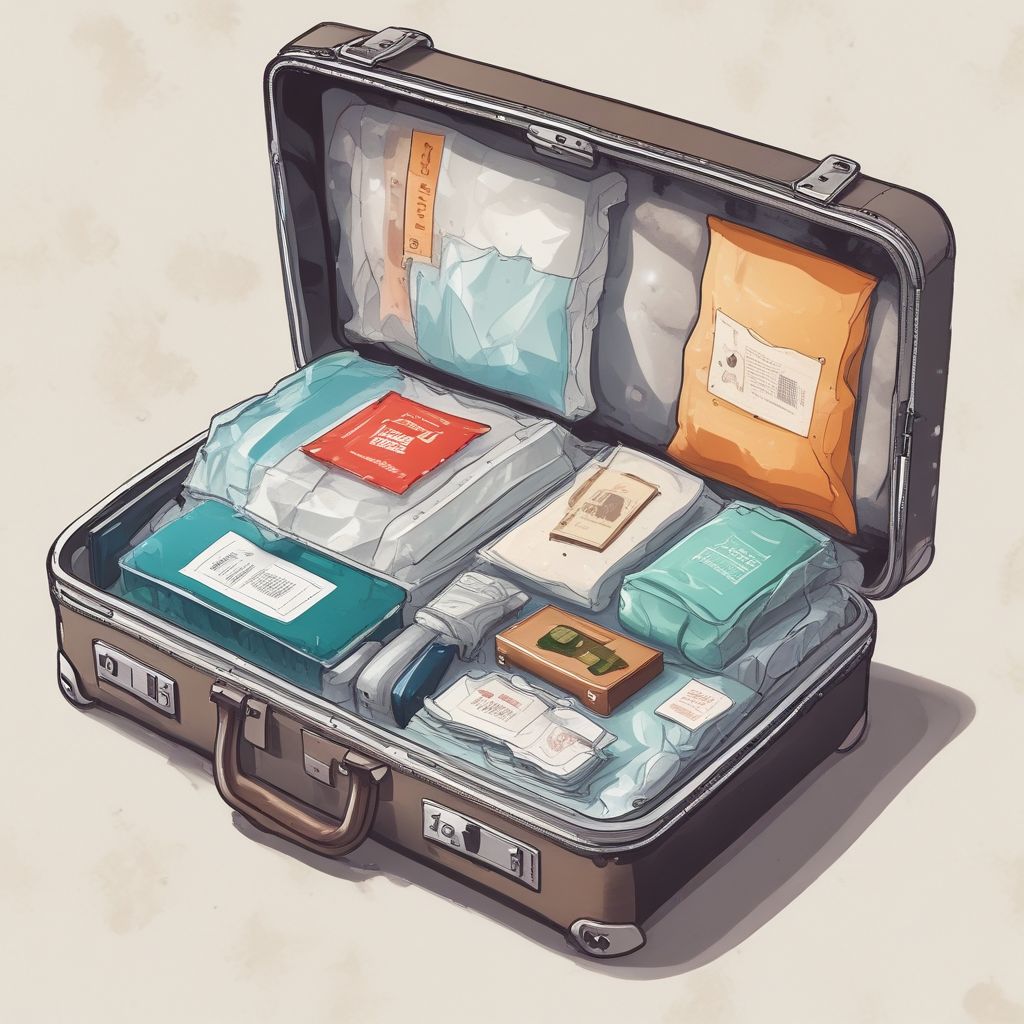
Remove the bag from the freezer and slide it into your suitcase. Because the bag is so compact, you can fit multiple sealed items in the same space you would normally use for a single garment. For added protection, place the frozen bag inside a soft garment like a shirt or jacket. This cushions it from sharp edges and prevents it from shifting during transport.
6. Unpack at Destination
When you arrive, take the frozen bag out of your luggage. Place it on a flat surface and allow it to thaw slowly. Once it’s no longer rigid, open the bag and enjoy your freshly packed clothes. The vacuum seal should keep them wrinkle-free, and the freeze step ensures they remain odor-free.
Tips for Packing and Unpacking
- Use Dehydrated Gel Packs: Add a small gel pack inside the bag before sealing to absorb any trace moisture during the freeze.
- Label Your Bags: Write “Vacuum & Freeze” on the outside so that you remember to thaw before use.
- Pack Strategically: Use the frozen bags for items you’ll need first—shirts, socks, underwear—so you can access them without unpacking everything.
- Keep a Backup: If you’re traveling to a very humid area, consider having a second, non- vacuumed bag for items that may sweat.
- Avoid Overpacking: Even with the freeze trick, there’s still a limit to how many items can be compressed. Stick to a balanced packing list.
Pros & Cons
Pros
- Drastically reduces suitcase size.
- Keeps clothes fresh and free of odors.
- Protects against spills and moisture damage.
- Simple to repeat and easy to incorporate into any travel routine.
Cons
- Requires access to a freezer or ice packs.
- Time-consuming: vacuuming plus freezing takes 3–4 hours.
- Not suitable for extremely delicate fabrics that may tear under vacuum pressure.
- Extra equipment needed: vacuum sealer and freezer bags.
Traveler Stories
Sarah, a backpacker in Southeast Asia, says: “I used to carry three separate duffel bags to separate my clothing and toiletries. After learning to shrink my suitcase with the freeze trick, I was able to fit everything in one lightweight backpack, freeing up space for souvenirs.”
Marco, a business traveler, notes: “During a three-week conference tour, I brought a single vacuum-sealed, frozen bag for all my shirts. I could swap shirts in a matter of minutes, and they never developed that dreaded gym smell.”
Frequently Asked Questions
Can I use the freeze trick with a single-use plastic bag?
It’s better to use a heavy-duty, freezer-safe bag. Single-use bags are too thin and may tear when vacuumed and frozen.
Will the clothes shrink after the bag is thawed?
They may contract slightly during freezing, but they’ll return to their normal size after thawing. The key benefit is the compression during the frozen state.
What about traveling in hot climates?
In hot climates, the freeze step is optional. You can simply vacuum seal and rely on the airtight seal to keep clothes fresh. If you’re staying in a hotel, consider using the fridge-freezer method to cool the bag slightly.
Is it safe for all fabric types?
Generally yes, but delicate fabrics like silk or lace can be damaged by vacuum pressure. Use a gentle setting if your sealer allows it.
How long do the clothes stay fresh after thawing?
Once thawed, the clothes should remain odor-free for at least a day or two, thanks to the reduced moisture and bacteria.
Conclusion
By combining a vacuum sealer with a quick freeze, you can shrink your suitcase and keep clothes fresh, compact, and wrinkle-free. This hack is perfect for business travelers, backpackers, and anyone looking to maximize luggage space without sacrificing comfort. Give it a try on your next trip and experience the difference for yourself.
Ready to pack lighter and travel smarter? Try the freeze and vacuum method and see how much space—and peace of mind—you can gain.