Robotic Micro‑Bioreactors: On‑Demand Cell Factories for Precision Medicine
Robotic Micro‑Bioreactors are emerging as a game‑changing technology in precision medicine, enabling the rapid production of personalized therapeutic cells directly within clinical settings. These tiny autonomous units combine cutting‑edge bioprocessing with advanced robotics to deliver high‑quality, patient‑specific cell therapies at unprecedented speed and lower cost. As the demand for individualized treatments grows, understanding how these micro‑bioreactors work, their advantages, and their potential impact on healthcare is essential for clinicians, biotech entrepreneurs, and regulatory professionals alike.
What Exactly Are Robotic Micro‑Bioreactors?
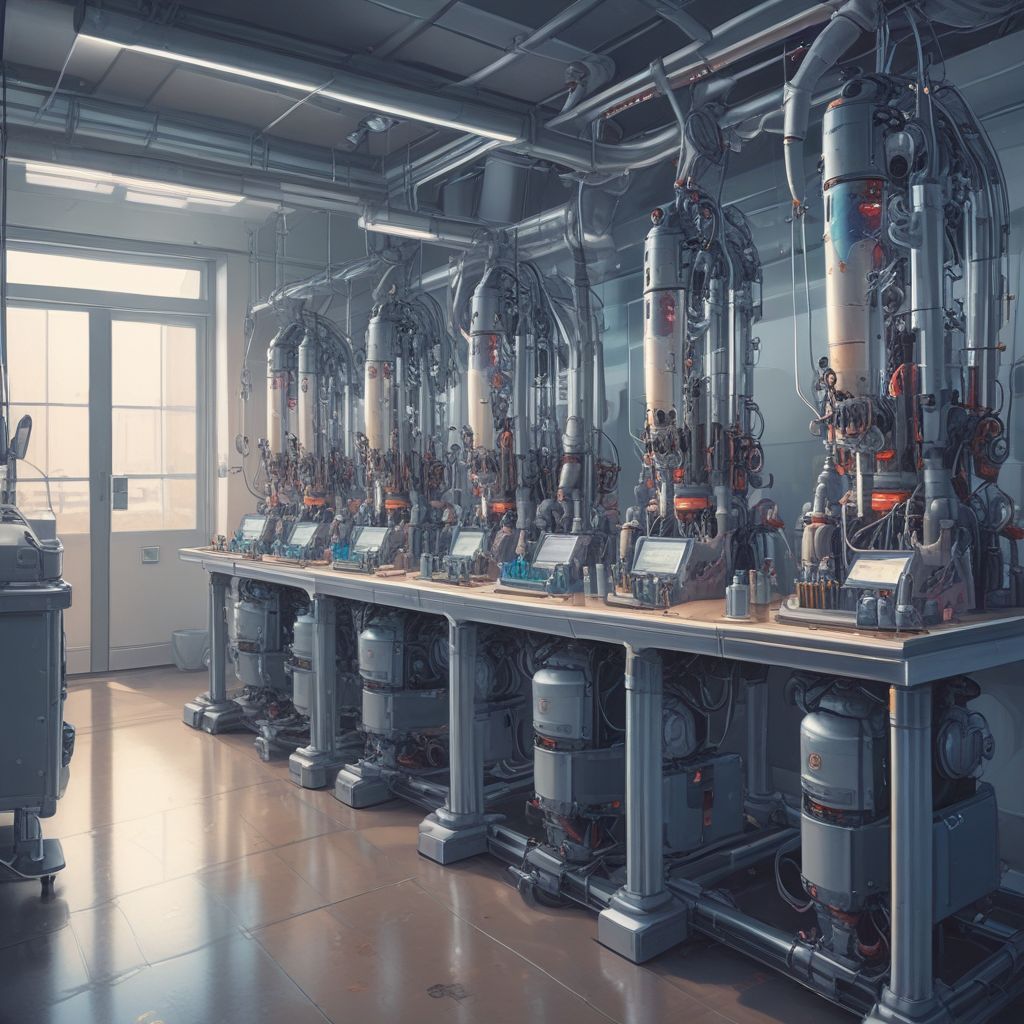
At their core, micro‑bioreactors are miniature bioreactor vessels, typically ranging from 10 to 200 mL, that can be operated under controlled conditions—temperature, pH, dissolved oxygen, and nutrient feed. When coupled with robotic automation, these systems can:
- Ingest a patient’s biological sample (e.g., blood, bone marrow).
- Isolate, expand, and genetically modify cells such as T‑cells or induced pluripotent stem cells.
- Monitor culture health in real time with biosensors.
- Harvest and formulate the final therapeutic product for immediate administration.
Because the entire workflow is encapsulated in a single, self‑contained unit, the need for large, centralized manufacturing facilities is dramatically reduced. Instead, the patient can receive their personalized therapy within a matter of hours or days—an outcome that was once impossible.
Key Components of a Robotic Micro‑Bioreactor System
1. Compact Bioreactor Vessel
These vessels are engineered to maximize surface area-to-volume ratio, ensuring efficient oxygen transfer and nutrient delivery. Common designs include disposable, single‑use bags or glass bioreactors integrated with microfluidic chips.
2. Automated Liquid Handling
Robotic arms and pipetting modules precisely manage media addition, sampling, and waste removal. They operate under closed‑loop control, using feedback from inline sensors to adjust flow rates in real time.
3. Real‑Time Monitoring & Analytics
Embedded sensors—such as optical density probes, dissolved oxygen meters, and pH electrodes—collect continuous data. Advanced algorithms analyze these signals to detect deviations from optimal growth conditions and trigger corrective actions automatically.
4. Integrated Genetic Engineering Tools
CRISPR‑Cas9 or viral transduction modules are incorporated to introduce therapeutic genes. The system can perform electroporation, viral transduction, or CRISPR editing within the same vessel, eliminating the need for multiple handling steps.
5. User Interface & Cloud Connectivity
Clinicians interact with the system via a touchscreen or web‑based dashboard. Data are logged to secure cloud servers, enabling remote monitoring and compliance reporting without compromising patient privacy.
How Do They Transform the Therapeutic Landscape?
Speed: From Day‑Long to Hour‑Long Production
Traditional cell therapy manufacturing can take weeks to months. In contrast, robotic micro‑bioreactors can complete isolation, expansion, and modification cycles in as little as 24–48 hours, drastically reducing the window of disease progression.
Cost Efficiency
By eliminating large infrastructure and reducing labor, the per‑dose cost drops significantly. Hospitals can maintain in‑house production, avoiding outsourcing fees and transportation risks.
Scalability & Flexibility
Because each micro‑bioreactor is independent, facilities can scale linearly by adding units. They can also switch between different cell types—CAR‑T, NK, mesenchymal stem cells—without re‑engineering the core platform.
Personalization at Scale
Robotic micro‑bioreactors allow for truly patient‑specific dosing and genetic tailoring. This precision reduces off‑target effects, improves engraftment, and increases overall treatment efficacy.
Applications in Precision Medicine
Oncology: CAR‑T and Beyond
Autologous CAR‑T therapy currently requires a lengthy manufacturing window. Micro‑bioreactors can produce the therapeutic cells within the clinic, ensuring that patients with aggressive leukemias receive treatment before disease relapse.
Immuno‑Therapeutics for Autoimmune Diseases
Regulatory T‑cell (Treg) expansion can be performed in micro‑bioreactors, producing cells that suppress aberrant immune responses in conditions like type 1 diabetes or rheumatoid arthritis.
Gene‑Edited Stem Cell Therapies
Disorders such as sickle cell disease and beta‑thalassemia benefit from CRISPR‑edited hematopoietic stem cells. The compact platform can complete editing and expansion in one step, ready for autologous transplantation.
Infectious Disease & Vaccines
Rapid prototyping of cellular vaccines against emerging pathogens becomes feasible. For instance, micro‑bioreactors can generate antigen‑specific cytotoxic T‑cells within days of a viral outbreak.
Regulatory and Quality Assurance Considerations
Because these systems operate in clinical environments, they must meet stringent Good Manufacturing Practice (GMP) standards. Key aspects include:
- Traceability: Each batch is tagged with a unique identifier, and all process parameters are logged.
- Sterility Assurance: Automated sterilization steps and closed‑system design prevent contamination.
- Device Validation: Comprehensive performance qualification of the robotics and sensors ensures reliability.
- Data Integrity: Cloud logs are cryptographically signed, and audit trails are maintained for regulatory review.
Collaborating with regulatory bodies early on helps streamline approvals and demonstrates compliance with evolving guidelines for in‑house cell therapy production.
Challenges and Future Directions
Integration with Hospital Workflows
Adapting the technology to existing clinical protocols requires training staff and designing user‑friendly interfaces that fit into oncology or stem‑cell clinics.
Scalability Beyond the Clinic
While micro‑bioreactors excel in personalized production, scaling up to treat large populations may still benefit from centralized biomanufacturing facilities. Hybrid models—combining on‑demand and batch production—could offer the best of both worlds.
Advanced Sensor Development
Next‑generation biosensors can detect subtle metabolic shifts, enabling predictive maintenance and further reducing culture failures.
Artificial Intelligence for Process Optimization
Machine learning algorithms can analyze historical data to refine culture conditions in real time, increasing yield and product consistency.
Conclusion
Robotic Micro‑Bioreactors represent a paradigm shift in precision medicine, bringing the power of personalized cell therapy into the hands of clinicians at the point of care. By marrying advanced robotics with micro‑scale bioprocessing, these autonomous units deliver faster, cheaper, and more tailored treatments—paving the way for a new era of on‑demand therapeutics.
Discover how Robotic Micro‑Bioreactors can transform your clinic—contact us today for a consultation.