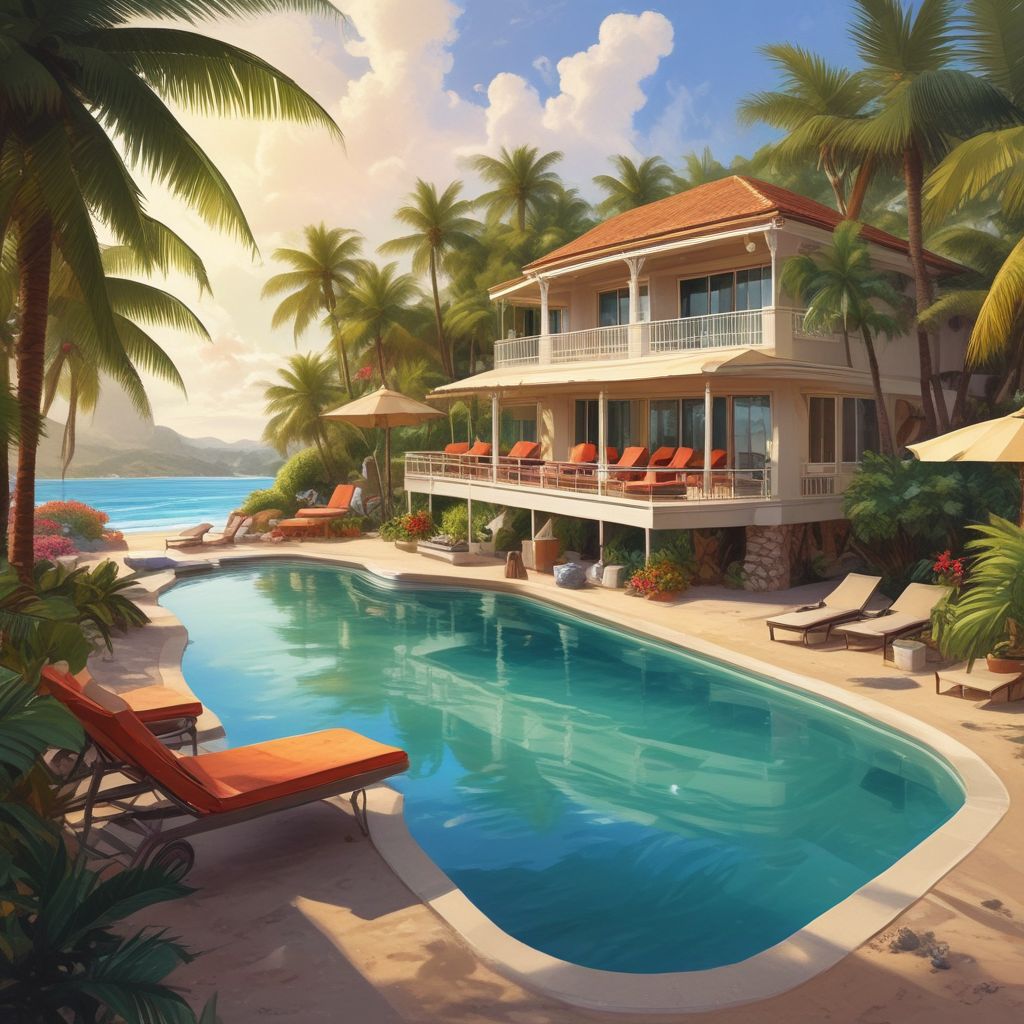
The phenomenon of pop-up luxury resorts is reshaping how affluent travelers think about exclusivity, authenticity and value. These pop-up luxury resorts—temporary, story-led properties that open for a single season before vanishing—leverage scarcity and narrative to create unforgettable stays that feel both urgent and intimate. For high-net-worth guests who prize novelty and bragging rights, the appeal is obvious: a private cliffside camp or a desert pavilion that exists only this summer becomes not just a holiday, but a collectible experience.
Why Scarcity Sells: The Psychology Behind Ephemeral Hospitality
Scarcity is a powerful motivator. In luxury travel, perceived rarity amplifies desirability: when a resort is available for only weeks or months, each room becomes an aspirational commodity. Marketers, operators and designers converge around three psychological drivers:
- Fear of missing out (FOMO): Limited availability encourages early booking and higher spend per guest.
- Collectibility: Guests treat stays as experiences to be acquired and recounted, often via carefully curated social content.
- Meaning through uniqueness: A one-season program can be themed and scripted, giving guests a stronger emotional connection than a perennial resort.
Story-Led Design: Turning Sites into Seasonal Narratives
At the heart of the pop-up luxury resort model is storytelling. Operators assemble a narrative—whether built around a vanished coastal village, a mythical river journey, or a chef’s seasonal harvest—and design every touchpoint to deepen that story. Elements include:
- Immersive arrival sequences that set the tone (private seaplane landings, candlelit dune walks).
- Temporally curated interiors: reclaimed woods, hand-dyed textiles, and installations that will be dismantled at season’s end.
- Programmed experiences tied to the narrative—secret dining, artisan workshops, and bespoke wellness rituals.
This story-led approach creates a sense of place without the heavy infrastructure of a permanent build, enabling nimble creativity and often lower environmental disturbance.
Operational Logistics: How Temporary Luxury Is Built
Creating a high-end pop-up requires operational excellence. Teams must manage permitting, modular architecture, climate controls, and elevated service standards in nontraditional settings. Key operational strategies include:
- Modular construction: Prefab suites and tent systems that can be installed and removed with minimal site impact.
- Local partnerships: Collaborations with nearby communities for staffing, food provenance, and cultural programming.
- Tech-enabled logistics: Inventory and CRM systems optimized for short, intensive seasons to ensure flawless guest journeys.
Sustainability and Community: Imperatives, Not Afterthoughts
Temporary does not mean irresponsible. Many pop-up luxury resorts position sustainability as central to their ethos. Because they leave no permanent footprint, operators can institute rigorous restoration plans, source local materials, and fund conservation projects tied to the land used. Best practices include:
- Zero-permanent-impact build plans with removal and regeneration commitments.
- Community revenue-sharing models and skill-transfer programs for seasonal staff.
- Carbon-neutral travel packages and transparent reporting on environmental outcomes.
When done well, ephemeral resorts can be a force for positive seasonal influxes of income and awareness for fragile destinations.
Resale and the Secondary Market: Experiences as Assets
One of the most disruptive aspects of pop-up luxury resorts is how they feed a burgeoning resale and secondary market. High-end guests increasingly treat stays like limited-edition goods: they buy, trade, or resell bookings, memberships or experience vouchers. This trend has produced:
- Experience exchanges: Private brokers and concierge services that trade access to sold-out seasonal properties.
- Memberships with transferability: Timed access passes that can be gifted or resold, often with provenance attached (season X, curated by chef Y).
- Digital provenance: Curated photo books, NFTs or certificates that document and authenticate the stay as a collectible.
For sellers, the scarcity inherent to a seasonal property can drive resale premiums; for buyers, it offers a pathway to exclusivity without long-term ownership.
What This Means for Wealthy Travelers
For high-net-worth travelers, pop-up luxury resorts offer three distinct appeals:
- Novelty and status: Attendance communicates taste and access in a social milieu that values the ephemeral.
- Customized intensity: Short seasons intensify programming—meaning fewer guests but more curated interactions with talent and place.
- Investment in memories: The temporary nature makes the experience feel like an heirloom—rare, sharable, and worthy of resale.
Concierge teams now routinely include pop-up seasons in portfolio planning, scouting moments for clients who prefer impact over permanence.
Examples and Imaginings: From Dunes to Alpine Lagoons
Some real and conceptual examples show how diverse this model can be:
- A Mediterranean cliffside that becomes a 10-villa sensory retreat each autumn, curated by a different perfumer each season.
- A monsoon-only rainforest pavilion where chefs forage daily and nights include stargazing on raised platforms.
- An arctic spring camp that appears on a frozen lake, with ice-form sculptors and bio-luminescent night swims, removed before thaw.
These formats allow designers and operators to experiment with radical hospitality without the conservatism of long-term ROI models.
How to Book, Collect, or Commission a Pop-Up Stay
For guests seeking entry, several practical tips improve success:
- Subscribe to operator newsletters and private concierge lists to catch pre-sales and member-only drops.
- Work with luxury travel advisors who specialize in short-run properties and the resale market.
- Consider transferable memberships or second-market brokers if a season is already sold out.
Flexibility is a currency here—last-minute windows often open for elite clients who can move on short notice.
Looking Ahead: Will Ephemeral Luxury Last?
Pop-up luxury resorts are more than a fad; they are a response to changing tastes and the economics of exclusivity. As travelers seek deeper narratives and brands pursue lighter footprints, the seasonal, story-led model is likely to expand. Expect to see hybrid forms—longer pop-ups, rotating curators, and tighter integration with digital provenance tools—that will further blur the lines between travel, collectible culture and luxury commerce.
In short, ephemeral elegance is redefining what “luxury” means: not permanence, but intensity, purpose and the power of scarcity to turn a stay into a story.
Conclusion: Pop-up luxury resorts transform scarcity into narrative currency, delivering highly curated, collectible experiences that appeal to wealthy travelers who value rarity, story and impact. Ready to experience a season that will never repeat? Book early, consult a specialist, and prepare to collect a memory that feels like ownership.
Call to action: Contact a luxury travel advisor today to discover upcoming pop-up resort seasons and secure your place in ephemeral elegance.