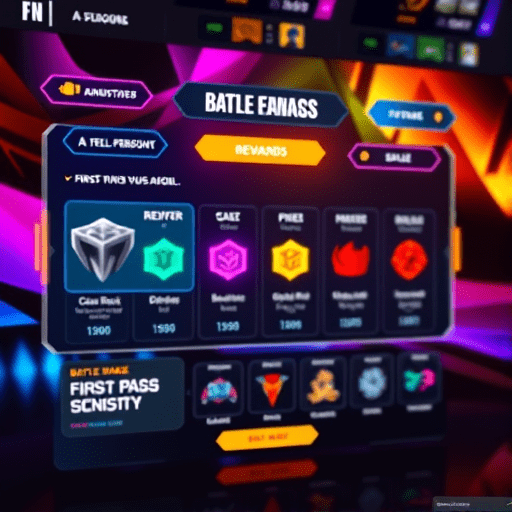
In 2026, players no longer accept opaque micro‑transaction models as a given. They expect an economy that rewards skill, play, and community engagement, rather than simply buying advantage. Crafting a player‑friendly in‑game economy that avoids pay‑to‑win involves combining transparent currency mechanics, adaptive monetization, and player‑driven markets. The following framework outlines how developers can structure progression and microtransactions so players feel empowered to progress without feeling compelled to spend.
2026 Landscape: New Expectations & Regulatory Pressures
Three forces shape the modern gaming economy. First, consumer awareness has exploded; players research micro‑transaction models before even installing a title. Second, global regulatory bodies are tightening rules on loot boxes, data collection, and gambling‑like mechanics. Third, AI‑driven analytics provide real‑time insights into spending patterns, enabling studios to adjust economies on the fly. Developers who ignore these trends risk player backlash, fines, and declining engagement.
The Three Pillars of a Pay‑to‑Win‑Free Economy
Transparent Currency Mechanics
Currency is the lifeblood of any economy. Clear labeling of what each coin, token, or gem can purchase removes confusion. Use color‑coding, tooltip explanations, and a public “economy chart” that shows the current cost of items and how those costs evolve. Transparent mechanics also mean showing players how in‑game actions earn currency, so the relationship between effort and reward is visible.
Skill‑Based Progression Paths
Progression should be a function of skill and consistency rather than capital. Offer multiple paths—story quests, competitive leagues, exploration challenges—each with distinct rewards. Players can choose the style that suits them, and the economy rewards participation across all paths. Balance items across these paths so that no single route grants an insurmountable advantage.
Adaptive Monetization Algorithms
Static price points quickly become stale. Deploy machine‑learning models that monitor purchase rates, player churn, and item saturation. The algorithm should adjust pricing, drop rates, and promotional windows in real time, ensuring that the economy remains healthy and that micro‑transactions stay optional. Importantly, the system should be auditable, so that devs can back‑test and fine‑tune the models.
Designing Currency Loops that Reward Play, Not Spending
Dual‑Currency Systems: Play vs Premium
Separate currencies for play (earned) and premium (purchased) keeps the game balanced. Play currency should cover most functional needs—upgrades, consumables, and cosmetic items that enhance engagement. Premium currency is reserved for high‑value cosmetics, convenience boosts, or exclusive content. By keeping core progression achievable through play, you eliminate the pay‑to‑win feel.
Micro‑Transaction Tiers & Value Alignment
- Micro‑packs of play currency sold in small, affordable bundles (e.g., 10,000 coins for $4.99) encourage occasional spending without creating a large spend gap.
- Premium bundles that offer cosmetic upgrades, character skins, or early access to events ensure that spending feels like a choice rather than a necessity.
- Include price‑matching guarantees or a “payback” system where players who spend a certain amount receive a free pack of play currency after a set period, fostering goodwill.
Player‑Driven Markets & AI‑Assisted Supply‑Demand Modelling
Enabling In‑Game Trading with Smart Contracts
Blockchain or centralized ledger systems can allow players to trade items directly. Smart contracts enforce fairness, prevent fraud, and automatically balance supply by adjusting in‑game item drop rates. By giving players ownership of rare items, you reduce the temptation to buy them for competitive advantage.
Real‑Time Price Discovery & Inflation Control
Use AI to monitor market transactions and detect price spikes or drops. If a rare item’s price inflates beyond a healthy threshold, trigger an event that increases the drop rate or introduces new items to dilute scarcity. Conversely, if demand wanes, reduce drop rates to keep the item valuable but not monopolistic.
Balancing Act: Using Data Analytics to Detect Pay‑to‑Win Patterns
Player Cohort Analysis
Segment players by spend level, playtime, and progression stage. Identify cohorts that experience pay‑to‑win: those who purchase premium items and see a noticeable advantage over peers. Use this data to iterate on item placement, drop rates, and skill‑based rewards.
Dynamic Difficulty & Reward Scaling
Adjust difficulty curves based on player performance. Players who excel can encounter tougher challenges, ensuring that skill continues to matter. Simultaneously, reward scaling should be proportionate—those who invest time receive better progression opportunities than those who simply buy items.
Governance & Community Feedback Loops
Transparent Economy Dashboards
Publish dashboards that show live metrics: currency inflation, average spend, item rarity distribution. When players see real data, they trust that developers are actively managing the economy. Include a section for “economy FAQs” that answers common concerns.
Incentivised Feedback & Patch Notes
Run “Economy Feedback Nights” where players can propose changes, vote on updates, and see direct impact on the next patch. Offer in‑game rewards for participating in surveys or beta testing economy changes. This collaborative approach reduces backlash and builds a sense of ownership among the community.
Implementation Roadmap for 2026
Phase 1: Audit & Benchmarking
Review existing economies in comparable titles. Benchmark currency speeds, item prices, and player spend habits. Conduct surveys to gauge player sentiment about micro‑transactions.
Phase 2: Prototype & A/B Testing
Build a sandbox with multiple currency systems and test against controlled groups. Measure engagement, churn, and spend. Use the results to refine the adaptive monetization algorithm.
Phase 3: Full Rollout & Continuous Tuning
Deploy the finalized economy to all players. Implement real‑time monitoring dashboards and automated price‑adjustment triggers. Schedule quarterly reviews to reassess the health of the economy and respond to emerging trends.
In conclusion, a player‑friendly in‑game economy that avoids pay‑to‑win is achievable through transparency, skill‑based progression, and intelligent market design. By combining dual currencies, adaptive monetization, player‑driven trading, and rigorous analytics, developers can create a balanced environment where spending remains an optional enhancement rather than a prerequisite for success.