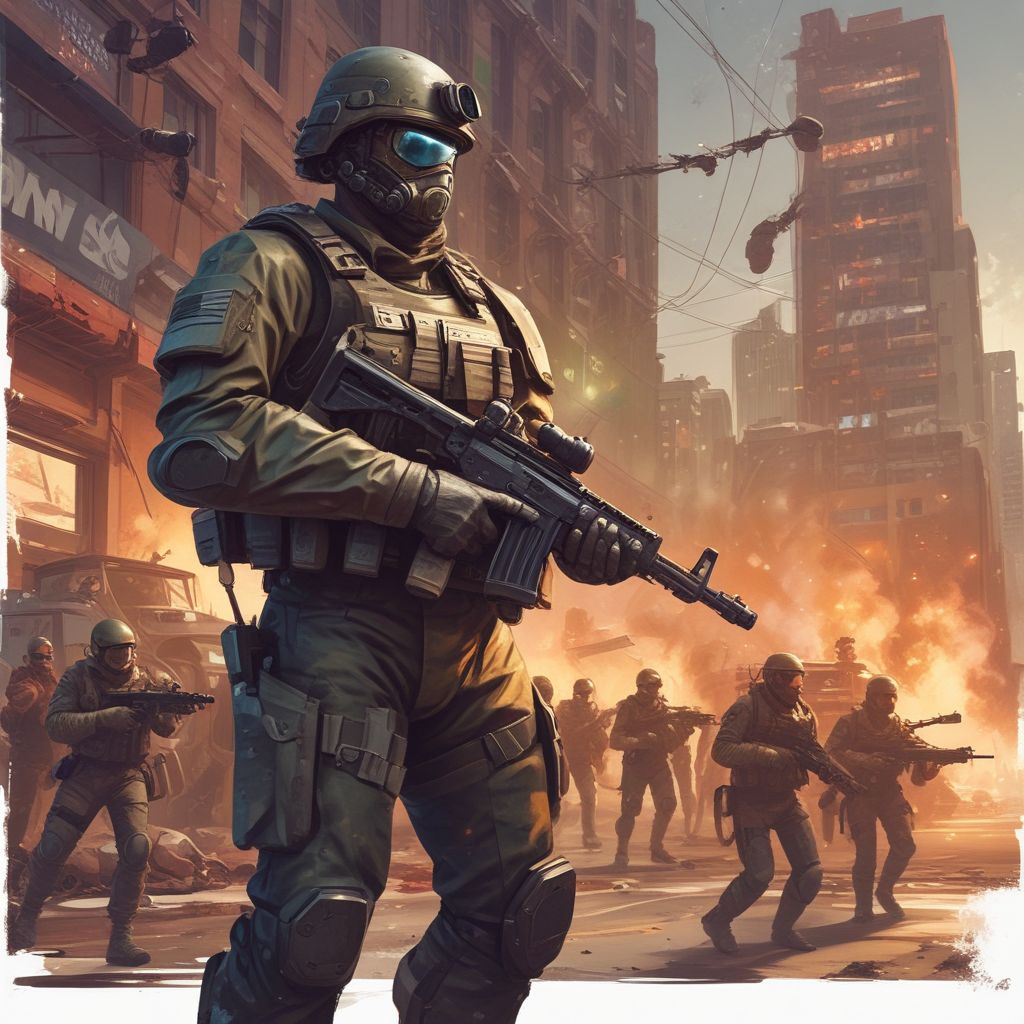
The term “Persistent Frontline” names a growing design pattern where FPS mechanics reshape social dynamics in MMOs—bringing matchmaking-free warzones, player-run logistics, and long-term territorial conflict to the center of player interaction. This article examines how these elements change who leads, who supplies, and how communities form, survive, and fracture over months and years. For developers, sociologists, and veteran players, the Persistent Frontline presents both opportunity and ethical design questions about agency, burnout, and emergent governance.
What is a Persistent Frontline?
A Persistent Frontline is a long-lived zone or series of zones in an MMO where combat and control are continuous, not reset by seasonal matchmaking. Unlike discrete matches or instanced raids, these frontlines persist in the game world and accumulate history: damaged defenses, veteran patrol routes, learned chokepoints, and reputations. FPS mechanics—tight aiming, high mobility, and fast reflex reward—blend with MMO-scale persistence to create intense social pressures that reward coordination, logistics, and political strategy.
Matchmaking-Free Warzones: Chaos or Community?
Removing matchmaking transforms warzones from ephemeral contests into social ecosystems. When players cannot be algorithmically shuffled into balanced teams, they must either self-organize or accept persistent imbalance. That friction drives several predictable outcomes:
- Faction consolidation: Strong groups accumulate resources and territory; newer or casual players gravitate toward them for protection or opportunity.
- Emergent hierarchies: Leaders arise who can plan assaults, allocate defenses, and set rules for newcomers—often without official titles.
- Social signaling: Visual markers, emblems, and convoy formations become badges of affiliation and authority in the frontline.
While some fear that matchmaking-free designs produce toxic domination, many communities adapt by creating their own checks and balances: federations of guilds, rotating defense duties, or negotiated truces that create breathing room for new groups.
Player-Run Logistics: Supply Lines as Social Glue
Supply and logistics are the unsung backbone of any persistent territorial conflict. When ammunition, fuel, or fortification materials must be moved by players along exposed routes, logistics becomes more than a gameplay task—it becomes social infrastructure.
How logistics reorganizes social roles
- New careers: Players specialize as haulers, convoy guards, or quartermasters; these roles attract distinct personalities and playstyles.
- Interdependence: Frontline combatants rely on supply crews, creating mutual respect and a sense of shared purpose.
- Economies of trust: Black markets, escorts-for-hire, and shared warehouses create reputational systems where trustworthy players gain influence.
Player-run logistics also incentivize diplomacy: a successful siege can be as much about cutting supply lines as winning firefights, and negotiations to reopen routes lead to treaties, alliances, or profitable neutrality pacts.
The Psychology of Long-Term Territorial Conflict
Prolonged conflict changes player motivations and mental models. Unlike short-term competitive modes that reward quick gratification, persistent frontlines create narratives and responsibilities that alter engagement rhythms.
Identity, investment, and escalation
- Identity formation: Players build personal and group identities around defended territory, creating emotional attachment that keeps them returning.
- Loss aversion: Seeing structures or status lost to an opposing force triggers stronger responses than equivalent gains, fueling cycles of revenge or escalation.
- Burnout risk: Long-term duties—nightly patrols, logistics runs—can become chores, pushing communities to formalize rotation and rest policies to prevent attrition.
Psychology also shapes governance: small rituals (flag ceremonies, memorials for fallen members) strengthen cohesion, while open, fair dispute-resolution processes reduce splintering when tensions rise.
Design Lessons for Developers
To harness the social potential of Persistent Frontlines while minimizing harm, designers can adopt several pragmatic patterns:
- Layered access: Offer graduated entry points—training zones, escort missions, and mentorship systems—so casual players can join without immediate exposure to crushing defeat.
- Transparent logistics tools: Provide in-game systems for tracking convoys, marking supply caches, and scheduling group runs to lower administrative overhead and empower player planners.
- Social affordances: Build mechanisms for player courts, alliance treaties, and reputation records; these formal tools reduce the need for toxic enforcement and help groups self-regulate.
- Design for rest cycles: Create mechanics that reward downtime and rotation to avoid burnout, such as rotating objectives and shared respites where territory shifts enter a cooldown phase.
Real-World Examples and Emergent Patterns
Several MMOs and hybrids have already shown parts of this evolution. Sandbox titles with player forts see logistics guilds rise naturally; FPS-influenced warzones in some modern MMOs have produced both oppressive monopolies and flourishing economies of escorting and smuggling. In every case, the richer the tools for communication and for marking player history, the more coherent and resilient the social systems become.
What successful communities do differently
- Codify rules publicly: operating procedures for convoys and defense duties reduce friction.
- Delegate authority: rotating captains and written logs prevent power consolidation and ease onboarding.
- Celebrate stories: public archives and highlights of daring runs or clever supply routes create a shared mythology that outlives individual players.
Potential Pitfalls and Ethical Considerations
Persistent conflict zones can amplify social harms if left unchecked. Designers must be mindful of exclusionary practices, targeted harassment, and the exploitation of newer players. Providing clear reporting tools, pathways for reintegration, and balancing incentives that discourage predatory monopolies are essential to sustainable communities.
Conclusion
The Persistent Frontline—where FPS mechanics meet MMO persistence—recasts logistics, leadership, and psychology as central gameplay systems. Matchmaking-free warzones and player-run supply lines create deep social structures that reward coordination, craft new identities, and demand thoughtful design to remain healthy over time. For players and creators alike, the Persistent Frontline is less a rule set than an invitation: build the institutions that let people play, belong, and create stories together without burning out.
Interested in exploring this design further or applying it to your project? Reach out to discuss practical mechanics, moderation systems, and community tools that help persistent frontlines thrive.