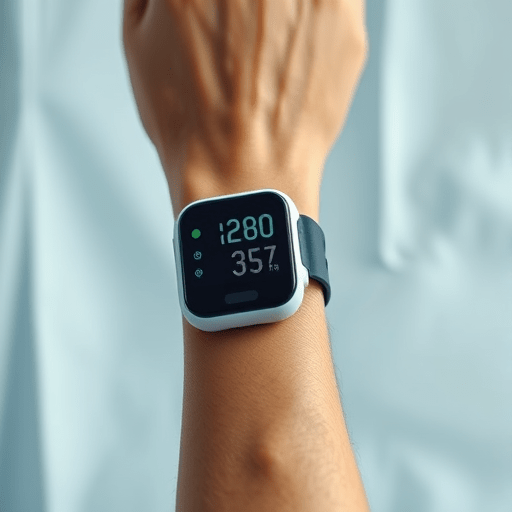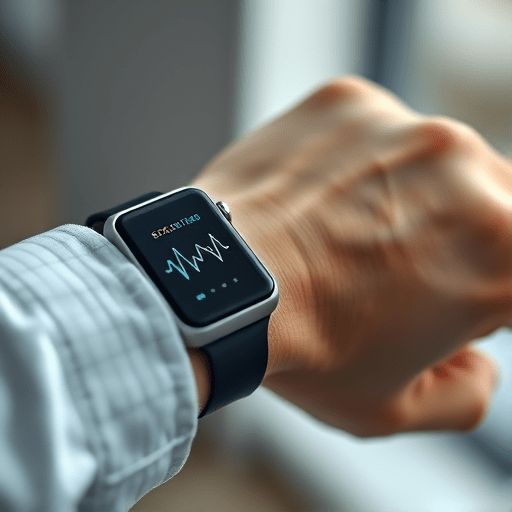
The phrase passive biometric cues from wearables describes a quiet revolution in digital health: sensors that collect heart rate variability, skin temperature, motion, and electrodermal activity in the background to deliver context-aware, low-friction prompts that improve adherence and foster trust without causing alert fatigue. In this article, clinicians, product teams, and health system leaders will find practical approaches for using those signals to create hyper-personalized patient engagement that feels helpful — not intrusive.
Why passive cues matter
Traditional engagement models rely on scheduled reminders or patient-initiated interactions, which often miss critical windows for action. Passive biometric cues provide continuous, moment-to-moment context about a patient’s physiological state and behavior, enabling interventions exactly when they’re most relevant. That timing and relevance is the key to hyper-personalized patient engagement: messages and nudges are delivered when a patient is receptive and able to act.
What wearables can sense (with examples)
- Heart rate and heart rate variability (HRV): subtle changes can indicate stress, recovery, or medication impact.
- Activity and posture: step counts, sedentary periods, and transitions can signal routines or disruptions to daily life.
- Sleep patterns: sleep onset latency and fragmentation inform readiness for daytime tasks or medication timing.
- Skin temperature and sweat (electrodermal activity): can point to thermal stress or emotional arousal associated with symptom flares.
- Contextual sensors: GPS/geofencing, ambient noise, and proximity to home or clinic help tailor location-aware prompts.
Designing context-aware, low-friction prompts
Good prompts should be brief, timely, and actionable. Use these principles:
- Relevance over frequency: Prioritize accuracy of context (e.g., detecting a missed dose window via motion and HRV) rather than high-frequency pings.
- Micro-actions: Ask users to take small, specific steps (e.g., “Take your inhaler now” with one-tap confirmation) rather than vague instructions.
- Adaptive escalation: Start with a gentle in-app nudge, escalate to an SMS or call only if the system detects sustained non-adherence or concerning physiology.
- Choice and control: Let patients set quiet hours, preferred channels, and allowable prompt types to preserve autonomy and reduce annoyance.
Balancing adherence and alert fatigue
Alert fatigue is the single biggest behavioral risk to sustained engagement. Strategies to avoid it include:
- Signal fusion: Combine multiple passive cues (e.g., low activity + missed medication window + HRV change) before prompting, so alerts only fire on high-confidence events.
- Probabilistic confidence scoring: Use thresholds and machine learning to rate how confident the system is that an intervention is needed; only high-confidence triggers become user-facing prompts.
- Respectful cadence: Implement back-off logic: if a patient ignores two similar prompts, wait longer before prompting again and offer an option to change preferences.
- Personalized urgency: Classify prompts by severity and route (informational vs. urgent) and map them to patient preferences and clinical rules.
Building trust through transparency and empathy
Trust hinges on patients understanding what is being collected, why, and how it benefits them:
- Explainable nudges: When a prompt is sent, show the cues that triggered it (e.g., “We noticed less movement and a rise in heart rate—would you like a short breathing exercise?”).
- Patient-facing insights: Summarize trends (sleep quality, stress patterns) in plain language so patients see value rather than only interventions.
- Consent and control: Offer granular consent and easy ways to pause sensing or change prompt types; empower patients to edit thresholds when clinically safe.
Ethical and privacy considerations
Passive sensing collects intimate data; ethical deployments require robust safeguards:
- Minimize data retention: Keep only what’s necessary for real-time decisioning and aggregate or delete raw signals after processing.
- Edge processing: Whenever possible, compute triggers on-device to reduce transmission of raw biometrics.
- Transparent data use: Make data policies clear, plainly state who can access the information (clinicians, care teams), and provide audit logs for users.
- Bias and accessibility: Validate models across ages, skin tones, and comorbidities; ensure prompts are culturally and linguistically appropriate.
Practical implementation steps for teams
To launch a minimal viable system that uses passive biometric cues from wearables:
- Map clinical goals (adherence to medication, early symptom detection) to the biomarkers and sensors that can inform them.
- Prototype with small cohorts and focus on signal fusion rules that maximize positive predictive value for the target behavior.
- Co-design prompt language with patients and clinicians to ensure clarity and avoid paternalism.
- Build monitoring dashboards for clinicians that surface only clinically actionable events and enable manual override.
- Run iterative A/B tests on timing, channel, and phrasing to refine engagement while measuring alert burden and outcomes.
Use cases that demonstrate impact
- Chronic respiratory care: Detect nocturnal cough clusters and rising skin temperature to prompt an evening medication reminder or an at-home spirometry check.
- Mental health support: Recognize sustained HRV reduction and decreased activity to offer a short guided breathing exercise with an option to message a therapist.
- Post-operative recovery: Identify low mobility and appetite changes to nudge gentle movement and hydration, reducing readmissions.
Passive biometric cues from wearables can unlock hyper-personalized patient engagement that is timely, respectful, and effective — but only when combined with thoughtful design, transparent policies, and clinical oversight. When systems prioritize high-confidence triggers, patient control, and empathetic messaging, they boost adherence and strengthen the therapeutic relationship instead of eroding it.
Conclusion: By using passive biometric cues from wearables to power context-aware, low-friction prompts, health teams can increase adherence and trust while minimizing alert fatigue; start small, measure impact, and scale with patient consent and clinician input.
Ready to pilot a low-friction, sensor-driven engagement flow? Reach out to your clinical informatics team to map signals to outcomes and design patient-centered nudges today.