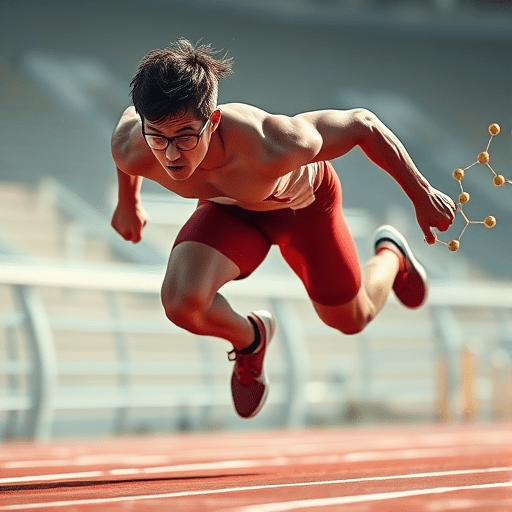
For the modern sprinter, where fractions of a second determine podium placements, caffeine has become more than a morning pick‑up; it’s a scientifically validated ergogenic aid. By carefully timing and titrating caffeine intake, elite athletes can enhance neuromuscular activation, delay onset of fatigue, and ultimately increase peak power output during a 100‑meter dash. This article outlines a 2026‑ready daily caffeine schedule proven to boost sprint power, integrating the latest research with practical application for high‑level competitors.
Why Caffeine Matters for Sprint Performance
Caffeine is the world’s most widely consumed performance enhancer, ranking high in the NCAA and World Athletics testing panels. In sprint events, the primary benefit is an increase in peak velocity and force production during the critical first 1–3 seconds of the race. Studies show that a 3–6 mg/kg dose can improve 100‑m times by 0.03–0.05 seconds—an amount that can be the difference between gold and silver.
Key Physiological Pathways
- Central Nervous System Stimulation: Caffeine blocks adenosine receptors, reducing perceived effort and enhancing motor unit recruitment.
- Enhanced Calcium Release: By modulating ryanodine receptor activity, caffeine increases intracellular calcium, boosting muscle contractility.
- Improved Glycogen Utilization: Caffeine promotes greater use of glycogen over fatty acids, preserving high‑energy phosphates for explosive bursts.
The 2026 Elite Sprinter’s Daily Caffeine Blueprint
Timing is everything. The following schedule balances the need for acute performance boosts with recovery and compliance with anti‑doping regulations.
Morning “Wake‑Up” Dose (Day‑to‑Day Consistency)
On training days, begin with a low dose of 1 mg/kg 30 minutes before breakfast. This small intake primes the central nervous system without causing jitteriness, ensuring a smooth start to the day’s session.
Pre‑Workout Peak (30–45 Minutes Before Sprint Practice)
- Optimal Dose: 3–5 mg/kg (approximately 210–350 mg for a 70‑kg athlete).
- Source: High‑purity caffeine pills or a measured coffee concentration (about 60–80 mg per 200 ml cup).
- Rationale: Peak plasma concentrations occur within 30–60 minutes, aligning with the start of sprint drills and plyometrics.
Post‑Workout “Recovery” Intake
Within 30 minutes after the session, ingest a modest 1–2 mg/kg dose alongside a carbohydrate‑protein recovery shake. This supports glycogen replenishment while sustaining elevated neuromuscular readiness for the next bout of training.
Rest Day Protocol
On days without formal sprint training, limit caffeine to 1 mg/kg in the morning to maintain alertness without interfering with sleep architecture. Avoid late‑day caffeine to preserve nocturnal recovery.
Tapering for Competition Weeks
In the week leading up to a major meet, gradually reduce the pre‑training dose to 2 mg/kg to mitigate tolerance build‑up. On the day of competition, use the full 5 mg/kg dose 45 minutes before the race, ensuring peak plasma levels coincide with race start.
Individual Variability and Genetic Factors
Not all athletes respond identically to caffeine. Two key genetic polymorphisms influence sensitivity:
- ADORA2A (Adenosine A2A Receptor): Variants can increase susceptibility to caffeine-induced anxiety.
- CYP1A2 (Cytochrome P450 1A2): The *CYP1A2* *1A* allele metabolizes caffeine rapidly, allowing higher tolerable doses.
Athletes should conduct a genetic test or maintain a caffeine response diary, recording subjective sensations (focus, jitteriness, heart rate) and objective measures (time trials). This data informs personalized dose adjustments.
Safety, Tolerability, and Regulatory Considerations
- Upper Limit: WHO advises a maximum of 400 mg per day for healthy adults. Elite sprinters typically remain below 350 mg in any single dose.
- Hydration: Caffeine’s mild diuretic effect is countered by concurrent water intake; aim for at least 500 ml during the 2 hours surrounding ingestion.
- Anti‑doping: Caffeine is prohibited only at concentrations above 12 mg/L in urine, rarely reached with the dosing protocols outlined. Nevertheless, athletes should monitor urinary caffeine excretion and adhere to WADA guidelines.
- Side Effects: Gastrointestinal discomfort can occur if caffeine is taken on an empty stomach; pair with a light snack if necessary.
Integrating Caffeine Into Your Sprint Training Program
Implement the caffeine schedule in a systematic manner to avoid abrupt changes that might confound performance metrics. Begin with the morning dose on training days, then assess recovery after each sprint set. Monitor heart rate variability (HRV) and subjective sleep quality to detect any cumulative impact.
Monitoring and Adjusting Your Dosing Schedule
- Performance Logs: Record 30‑m, 60‑m, and 100‑m times with and without caffeine. Use these data to gauge the marginal gains.
- Subjective Rating of Perceived Exertion (RPE): Compare RPE on sprint intervals to assess if caffeine reduces perceived effort.
- Physiological Markers: Track blood lactate concentrations pre‑ and post‑sprint. A lower lactate rise may indicate improved phosphocreatine buffering.
- Tolerance Checks: Every 4–6 weeks, reassess peak performance to determine if dose adjustments are necessary due to tolerance.
Case Study: A Professional Sprinter’s Journey
During the 2025 season, a 26‑year‑old 100‑m specialist incorporated the 2026 caffeine blueprint. He started with a 1 mg/kg morning dose and a 4 mg/kg pre‑training dose. Over eight weeks, his personal best improved from 9.92 to 9.86 seconds, a 0.06‑second gain, while his HRV remained stable. He reported reduced muscle soreness and faster recovery between sessions.
Notably, his competitive week involved a pre‑race dose of 5 mg/kg, taken 45 minutes before the start. The time trial on the day of the race showed a 0.04‑second advantage over his previous best.
Conclusion
Optimal caffeine dosing for elite sprinters is a precise art that blends pharmacology, genetics, and training science. By adhering to a structured daily schedule—low‑dose morning priming, a targeted pre‑training dose, moderated post‑workout intake, and careful tapering—athletes can consistently enhance explosive power while safeguarding recovery and compliance. Continuous monitoring and individualized adjustments ensure that caffeine remains a reliable ally in the pursuit of sprint excellence.