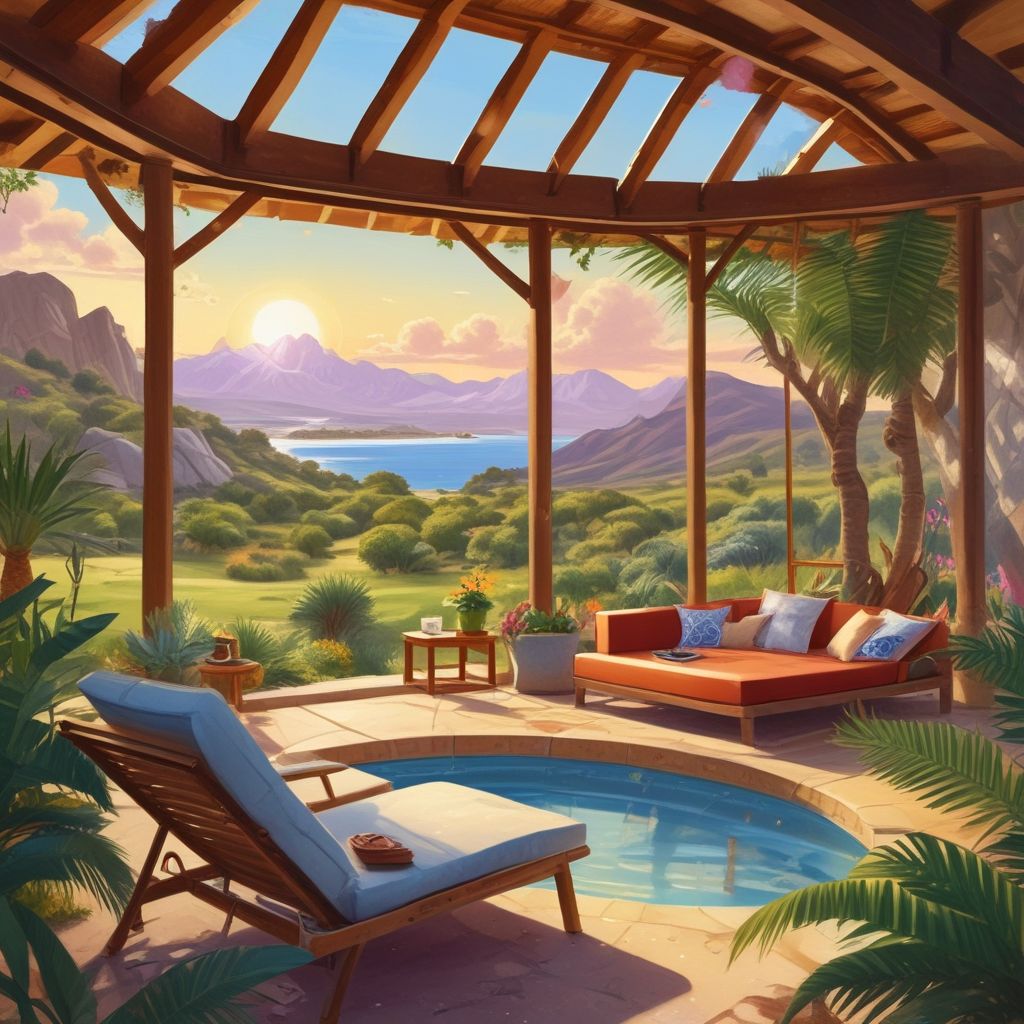
The phrase Luxury Wild Escapes now describes a new breed of travel where solar-powered comfort, Michelin-caliber service and conservation-first access combine to create a stylish digital and ecological detox—an off-grid experience that refuses to compromise on elegance. These ultra-exclusive, self-sustaining resorts are rewriting the rules of luxury travel by proving that environmental stewardship and sumptuousness can coexist in the remote heart of wild places.
What Is Off-Grid Opulence?
Off-grid opulence blends fully autonomous infrastructure—solar microgrids, closed-loop water systems, composting toilets—with high-touch hospitality, world-class cuisine and curated wilderness experiences. Rather than a rustic retreat, these resorts are engineered sanctuaries: discreet architecture, refined service, and few guests at a time so ecosystems remain intact while visitors enjoy unparalleled privacy and comfort.
Profiles of Five Luxury Wild Escapes
1. Laguna Solís, Atacama Fringe
Perched on a private salt flat rim, Laguna Solís offers a selection of stilted pavilions with panoramic desert views. The property runs entirely on a buried solar-plus-battery system paired with thermal mass cooling; rainwater capture and atmospheric water generation cover potable needs. Guests dine on a tasting menu crafted by a rotating Michelin-starred chef, featuring locally cured llama and native tubers, after an evening of guided stargazing on handcrafted telescopes.
2. Verdant Echo, Temperate Rainforest
Verdant Echo is an intimate collection of timber-clad suites that float along a river corridor and contribute to a rewilding program for native birds. The resort uses river-fed hydroboost microturbines, a large photovoltaic canopy, and a permaculture garden that supplies bi-weekly chef collaborations. Access is by electric amphibious craft, and each stay supports regional conservation via guest-directed grants.
3. Kora Ridge, African Private Conservancy
Kora Ridge marries classic safari lore with modern sustainability: solar carports that charge jeeps, a desalination unit for dry-season needs, and low-light pathways to minimize nocturnal disturbance. The property employs local rangers trained in anti-poaching and scientific monitoring; guests are granted guided access to research-led wildlife corridors and can join early-morning tracking walks followed by bespoke brunches plated with zero-waste principles.
4. Isles of Lumen, Subtropical Archipelago
Accessible only by hybrid-electric yacht, Isles of Lumen centers on coral stewardship and plastic-neutral operations. Overwater pavilions feature saltwater heat pumps and evaporative cooling, while an on-site kitchen lab turns foraged sea greens into haute cuisine. Snorkel excursions are led by marine biologists; night dives showcase restored coral nurseries illuminated by low-impact photoluminescence.
5. Highfire Plateau, Alpine Eco-Lodge
Highfire Plateau sits above tree line in sculpted chalets warmed by solar-augmented biomass and radiant floors. The lodge operates a closed-loop greywater treatment and hosts a kitchen residency program that blends alpine foraging with modernist techniques. Activities include guided glacier ethics walks, snow-craft lessons, and restorative spa therapies using local botanicals.
Design & Technology: How Comfort Meets Conservation
- Energy: Distributed solar arrays, smart inverters, battery storage and demand-management systems give these properties hotel-grade reliability without grid dependence.
- Water: Rainwater harvesting, advanced filtration, atmospheric water generators and greywater reuse reduce strain on fragile watersheds.
- Waste: On-site composting, food-waste upcycling for soil regeneration, and strict single-use plastic bans minimize landfill impact.
- Architecture: Low-impact foundations, seasonal shading, and materials sourced regionally create structures that visually recede into the landscape.
- Data-light stays: Intentional tech policies—limited Wi‑Fi zones, digital detox packages, and concierge-managed connectivity—preserve both guest privacy and nocturnal habitats.
What Guests Can Expect
Expect a tailored itinerary: private transfers by electric vehicle or hybrid yacht, a local naturalist as your daily companion, pop-up tasting menus, and wellness rituals that use locally foraged ingredients. Privacy is paramount; many resorts accept only a handful of parties per week, and bespoke experiences—such as joining a conservation team for a morning survey—are standard. Service is discreet but exacting: think butlers who know your sleeping preferences and chefs who can translate regional flavors into multi-course narratives.
Booking, Etiquette & Packing Tips
- Book early: Limited capacity and seasonal windows mean reservations open months in advance—plan at least 3–6 months ahead for peak seasons.
- Ask about impact: Confirm how your stay benefits local communities and conservation; reputable properties publish sustainability reports or partner with NGOs.
- Packing: Bring neutral-toned clothing, reusable water bottles, a small power bank (the lodge will brief you on charging etiquette), and insect- and sun-protection that’s reef- or wildlife-safe.
- Digital manners: Honor device-free hours and respect photography guidelines—some wildlife interactions are stress-sensitive.
Pricing & Value
Rates for these Luxury Wild Escapes reflect more than plush linens and private chefs; they fund scientific programs, community employment, habitat protection and costly off-grid infrastructure. Many properties offer tiered philanthropic add-ons—guest-funded wildlife collars, reforestation credits, or scholarship funds for local field technicians—so the premium can directly support measurable outcomes.
Who Should Choose an Off-Grid Opulent Escape?
These retreats suit travelers who value solitude, elevated service and experiential depth—executives seeking a meaningful sabbatical, couples marking milestones, or conservation-minded adventurers. If your ideal getaway is a place where you can sleep under the Milky Way, eat a seasonal tasting menu, and know that your presence helped protect a landscape, an off-grid opulent stay is the modern answer.
As the tourism industry recalibrates for climate realities, Luxury Wild Escapes demonstrate that responsible stewardship can be luxurious, scientifically meaningful and deeply restorative.
Conclusion: Off-grid opulence offers a powerful alternative to conventional luxury travel by delivering comfort that enhances—rather than extracts from—the natural world. For travelers ready to unplug without compromising on service, these self-sustaining resorts represent the future of elegant, ethical escapes.
Ready to trade your inbox for a night under the stars? Explore available stays and book a discovery consultation with a sustainable travel curator today.