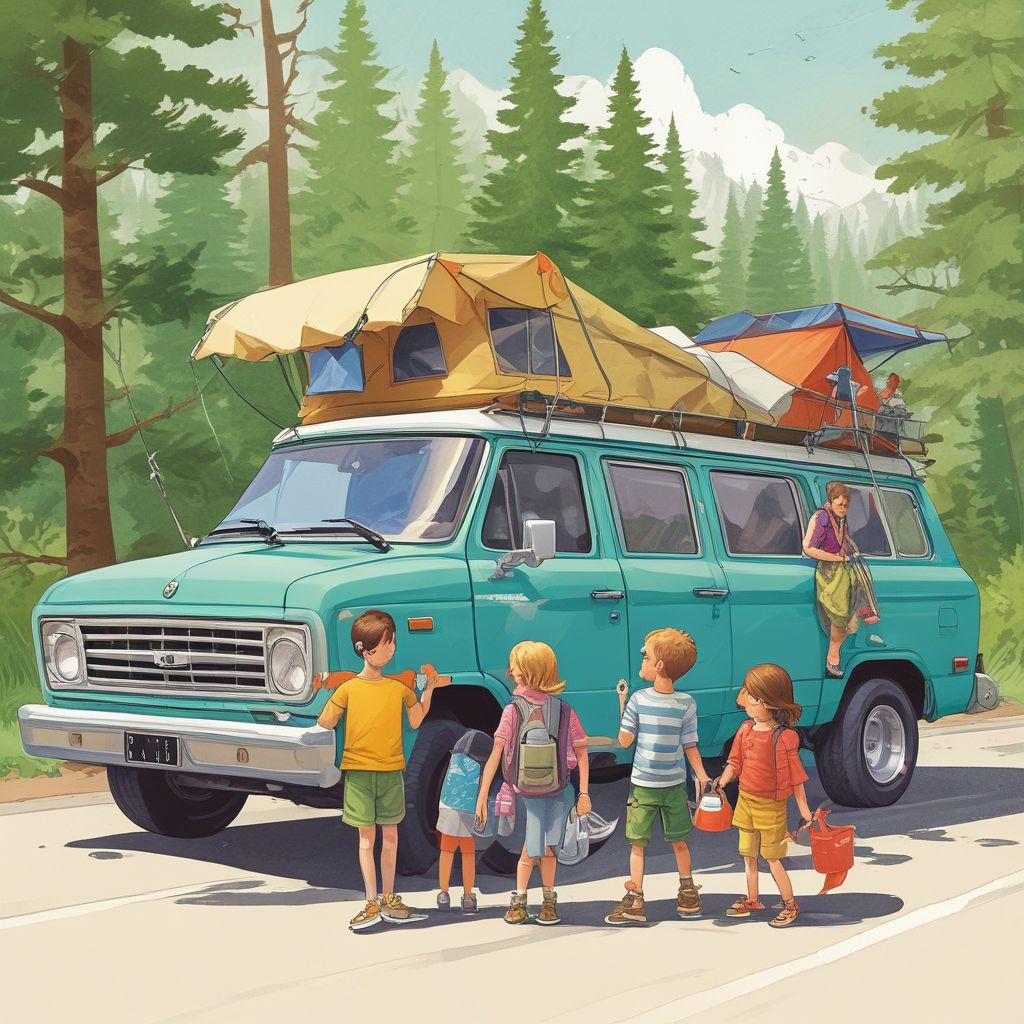
Multi‑Family Micro‑Adventure Weekends are a creative way for families to reconnect on the road while sharing childcare, dividing expenses, and crafting activities that engage toddlers, tweens, and adults. This guide walks through planning, logistics, cost splitting, and age‑tailored activities so your group can enjoy memorable, low‑stress weekends together without breaking the bank.
Why Multi‑Family Micro‑Adventure Weekends Work
These compact getaways combine a short travel radius with intentional play and shared responsibility. They let parents trade off caregiving duties, reduce per‑family costs, and build stronger social bonds among children and adults. Because trips are short and focused, they’re easier to schedule and more forgiving than full vacations.
Benefits at a glance
- Lower per‑family cost through group bookings and shared groceries.
- Built‑in childcare rotation reduces burnout and gives adults time to reconnect.
- Mixed‑age play encourages mentorship between tweens and younger kids.
- Opportunities to test new activities and locales without a huge commitment.
Getting Started: Choose a Theme and a Close‑By Location
Pick a theme that appeals to all ages—lakefront, easy hiking, beachcombing, farm stay, or stargazing—and keep driving time under three hours for toddlers’ comfort. Look for rental homes or cabins with communal spaces, multiple bedrooms, an outdoor area, and a simple kitchen for shared meals.
Quick selection checklist
- Max 3 hours of drive time for most families.
- At least 3+ bedrooms or separate sleeping zones.
- Outdoor play area (yard, beach, trailhead) within walking distance.
- Basic safety features (fencing, smoke detectors, first‑aid kit) and reliable cell coverage.
Budget‑Savvy Logistics: Rotate Childcare and Split Costs
Rotating childcare and transparent cost‑sharing keep the weekend equitable and simple.
Childcare rotation framework
- Divide the day into three blocks: Morning play (2–3 hours), Quiet/nap time, and Afternoon adventure (2–3 hours). Assign one adult pair or duo per block.
- Rotate responsibilities across families so each adult gets at least one uninterrupted adult block for socializing or rest.
- Use a visible schedule (paper or shared note app) posted in the common area and include contingency backup names.
Simple cost‑splitting options
- Rent: Split evenly by family, or prorate by adults/kids if group sizes differ.
- Groceries and fuel: Use a rotating “bank” or a shared prepaid card; track expenses in a shared note and settle on departure.
- Activities/gear: Whoever organizes a paid activity collects fees in advance to avoid last‑minute awkwardness.
Sample Weekend Itinerary (Flexible)
This sample balances kid‑led play with structured activities adults can enjoy too.
- Friday evening: Arrival, communal pizza or DIY tacos, low‑key yard games, bedtime routine for littles.
- Saturday morning: Toddler sensory station + tween nature challenge while one adult pair prepares breakfast; rotate childcare after snack.
- Saturday afternoon: Group hike or beachcombing with a scavenger list for tweens; crafts back at base for toddlers (salt dough, nature prints).
- Saturday evening: Cookout with rotation giving two adults a child‑free dining window; campfire sing‑along or stargazing.
- Sunday: Slow morning, group cleanup, a short neighborhood walk, shared brunch and depart.
Age‑Tailored Activities That Don’t Cost Much
Toddlers (sensory, safe, short attention)
- Portable sensory bins: rice, water beads, or safe nature items in a shallow bin.
- Simple obstacle course with cushions, buckets, and chalk.
- Story corner with a themed puppet or treasure box for dramatic play.
Tweens (curiosity, challenge, social leadership)
- Nature scavenger hunt with photo tasks and small prizes.
- Design challenge: build a mini raft, bird feeder, or shelter from found materials.
- Evening teen‑led trivia or a playlist swap session for bonding.
Adults (connection, downtime, shared experiences)
- Rotated coffee shifts: two adults handle morning drinks while others get quiet time.
- Half‑hour group reflection walk—no kids—swap parenting wins and lowpoints.
- Low‑effort workshops: a 30‑minute outdoor yoga, a craft demo, or campfire storytelling.
Safety, Packing, and Communication Tips
Good communication and clear packing make shared weekends smooth.
- Pack a shared first‑aid kit, sunscreen, spare layers, and a foldable play mat.
- Establish basic safety rules upon arrival—water boundaries, off‑limits rooms, and emergency contact list.
- Use a group chat and a printed schedule; assign a “safety lead” each day responsible for headcounts at transitions.
Managing Expectations: Keep It Flexible and Fun
Set simple goals—play together, share the load, create one or two keepsakes (photo collage, nature journal). Accept that naps, mood swings, and weather will disrupt plans; plan small, meaningful moments rather than a packed agenda.
Templates and Tools to Save Time
Use these quick templates in your shared notes:
- Childcare rotation grid: Morning/Afternoon/Evening with assigned families and backups.
- Cost sheet: Rent, groceries, fuel, activity fees with who paid column.
- Activity kit checklist: glue, crayons, string, small prizes, bandages.
Bonus: Create a simple photo‑sharing album that everyone can add to and download at the end—this becomes the group’s memory bank and is great for future trip planning.
Multi‑Family Micro‑Adventure Weekends are an affordable, flexible way to reconnect on the road while giving kids a chance to grow socially and parents the respite of shared responsibility. With a little planning—rotation schedules, clear cost splitting, and age‑appropriate activities—these weekends can become a beloved, low‑stress tradition.
Ready to plan your first micro‑adventure? Gather your families, pick a nearby theme, and start with one weekend to test the rotation and see how the magic unfolds.