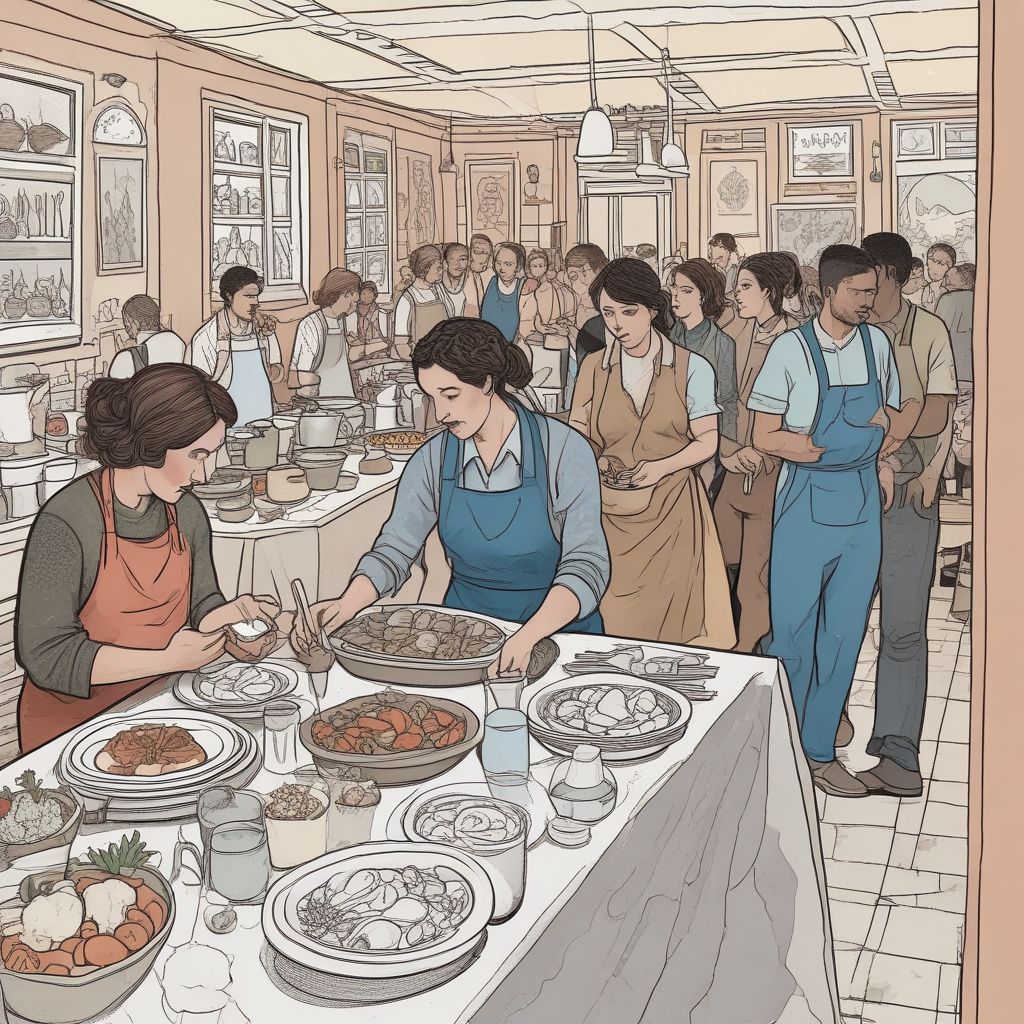
The phrase “Migrant Night Kitchens” has become shorthand for an underground movement where migrant-run secret supper clubs and reservation-only pop-ups preserve ancestral recipes, revive overlooked neighborhoods, and offer travelers hyper-local experiences unavailable anywhere else. On the ground, these kitchens blend hospitality, history and entrepreneurship—serving more than a meal: they serve a map of migration, memory and community renewal.
What are Migrant Night Kitchens?
Migrant Night Kitchens are informal, often clandestine dining events hosted by migrants who cook family recipes in spare rooms, basements, community halls, or even storefronts after-hours. They operate on a reservation system—word-of-mouth, social media DMs, and local newsletters—so seats are limited and the guest list feels intentionally curated. For travelers, a seat at one of these tables is a passport to a neighborhood’s living culinary history.
Why they feel secret and why that matters
- Privacy and safety: Hosts sometimes protect guests and themselves from bureaucratic scrutiny or neighborhood tensions.
- Curated intimacy: Small, reservation-only dinners create space for storytelling and connection between strangers and hosts.
- Creative freedom: Operating outside formal restaurant rules lets cooks experiment with traditional recipes and seasonal, local ingredients.
Preserving Recipes, Preserving Identity
At the heart of every migrant night kitchen is a recipe lineage—dishes passed down through generations, adapted to whatever ingredients are available. From hand-rolled dumplings in a converted tailor shop to charcoal-grilled kebabs in a shuttered bodega, each menu is a living archive. For many hosts, cooking at night is also a deliberate act of cultural preservation: a way to teach their children, connect with elders, and keep language and flavors alive in a new city.
How menus become memory
Menus often include contextual notes: a plate is labeled with a village name, or a host recounts why a spice blend is used for weddings. These narratives turn a meal into an oral history session where guests learn about migration routes, climate-driven ingredient swaps, and the social roles of food in different cultures.
Reviving Neighborhoods, Block by Block
Migrant Night Kitchens can act as low-cost catalysts for neighborhood revitalization. Because they use modest spaces and flexible hours, they lower barriers to entry for entrepreneurs and attract diverse foot traffic to streets that might otherwise lie dormant at night. Visitors who come for an intimate supper often discover corner shops, local galleries, and public transit options they wouldn’t have encountered otherwise—creating a ripple effect that benefits other small businesses.
Examples of neighborhood impact
- New foot traffic: Pop-ups bring diners to underused blocks, boosting late-night business for corner stores and cafes.
- Adaptive reuse: Vacant rooms and storefronts find temporary life as supper venues, reducing blight while permanent solutions are sought.
- Cross-cultural commerce: Guests often leave with contacts for local bakers, tailors, or artists—building micro-economies beyond the meal.
What Travelers Can Expect
Travelers who seek out Migrant Night Kitchens should expect more than just a novel plate. These events are immersive: communal seating, multi-course menus explained by the cook, and sometimes live music or storytelling. Reservations are essential—hosts manage capacity for safety and to honor the slow-food nature of the experience. Dress is casual, and guests are often encouraged to participate, whether by helping clear plates or sharing their own stories.
Practical tips for booking and attending
- Trust local recommendations: Ask community centers, neighborhood cafés, or local guides for vetted hosts.
- Respect rules: Many kitchens have no photography, or ask guests to avoid sharing the exact address publicly.
- Bring cash or tip generously: These kitchens often operate on tight margins and tips sustain the hosts.
- Be open-minded: Menus can be unfamiliar—ask questions and embrace new flavors and textures.
Challenges and Ethical Considerations
While Migrant Night Kitchens are powerful cultural engines, they also face challenges. Legal and zoning restrictions can make operations precarious, and the clandestine nature that offers safety can also expose hosts to exploitation if platforms or middlemen take advantage. Ethical dining means supporting authenticity: verify hosts through trusted referrals, avoid tipping platforms that take excessive commissions, and respect any house rules about privacy and guest conduct.
How communities can support responsibly
- Promote community-based directories that verify hosts and pay no commission.
- Encourage local policymakers to create flexible micro-enterprise permits for small-scale, community-based dining.
- Channel patronage to hosts directly—book through contacts they share and tip in ways that sustain their practice.
Stories from the Table
One night in a transformed laundromat, a Syrian mother cooked mujadara while teaching a group of students how to fold phyllo, and a retired mechanic from the same block remembered eating the dish as a child. In another corner of the city, a migrant collective turned an unused church basement into a weekly Ghanaian supper club, where attendees left with jars of homemade pepper sauce and a list of neighborhood vendors. These intimate interactions are the connective tissue that makes Migrant Night Kitchens a living, evolving food map.
For cities, these kitchens are not just culinary curiosities; they are grassroots cultural institutions—writing new histories into streets and plates, one reservation at a time.
Conclusion: Migrant Night Kitchens are reshaping how cities eat, remember and regenerate—preserving recipes, reviving neighborhoods, and offering travelers deeply local, reservation-only experiences that cannot be found on mainstream menus. Experience one to taste the city’s hidden corridors and the people who sustain them.
Ready to find a seat? Seek local listings, ask in community hubs, and reserve a table—your next unforgettable meal could be hidden behind an unmarked door.