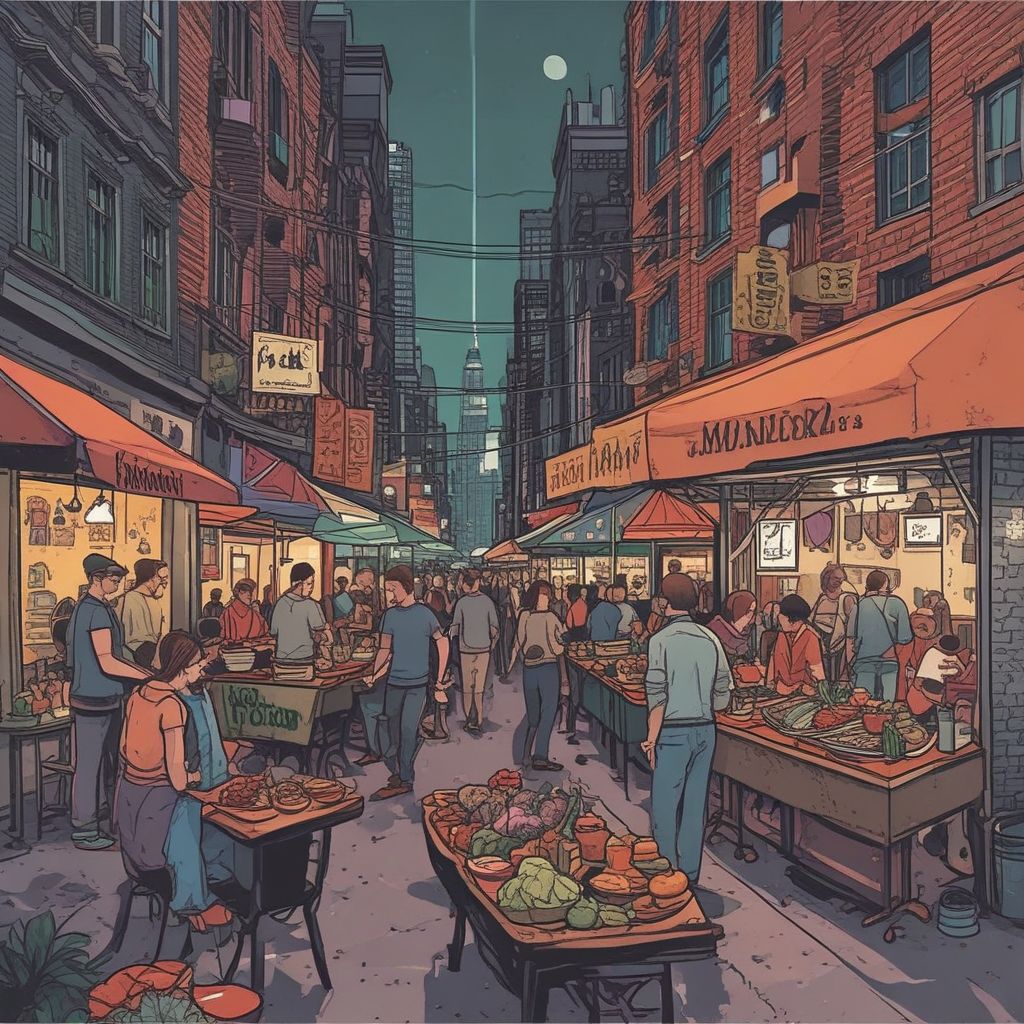
Midnight Markets are more than late-night hunger fixes — they are living museums of taste that reveal a city’s hidden culture through nightshift street food, immigrant cooks, and rituals that only unfold after the sun goes down. For travelers who trade tidy daytime itineraries for the electric chaos of alleyway vendors, these markets offer a direct line to history, migration, and the nocturnal rhythms that really define a place.
Why Midnight Markets Matter
By night, cities change their priorities: commerce becomes social, labor becomes performance, and food becomes storytelling. Midnight markets gather a cross-section of locals and newcomers — late-shift workers, students, families on evening walks, and food entrepreneurs — creating an environment where recipes, languages, and customs circulate freely. The result is an authentic cultural snapshot: a mosaic of flavors and rituals that daylight tourism often misses.
Culture in Motion
- Migration and recipes: Dishes at night markets often trace migration routes, preserving ancestral techniques while adapting to new ingredients.
- Economy and community: Night markets provide informal workspaces and networks for immigrant cooks and small vendors.
- Rituals and timing: Late-night prayer breaks, celebratory toasts, and communal eating habits become visible in public spaces where nights are reclaimed for gathering.
Where to Find the Best Late-Night Scenes
Midnight markets appear in diverse settings: beside train stations, in temple courtyards, under freeway overpasses, and along beachfront promenades. They are common in cities with strong street-food traditions — Bangkok, Taipei, Mexico City, Lagos, and Marrakech — but they also spring up in smaller capitals and migrant neighborhoods everywhere.
- Transit hubs: Look for clusters of vendors near night buses and late trains.
- Neighborhood cores: Immigrant enclaves often host nightly food streets where specific regional cuisines dominate.
- Seasonal markets: Festivals and religious calendars can expand temporary night markets into grand displays of taste and ritual.
The People Behind the Stalls: Immigrant Cooks and Nightshift Entrepreneurs
At the heart of every midnight market are cooks who carry stories: family recipes, survival strategies, and a fierce pride in feeding their communities. Many arrived as migrants, and the stall becomes both business and cultural embassy.
What Makes These Cooks Unique
- Multilayered technique: A single dish might combine three countries’ methods — fermentation from one homeland, spices from another, and grilling techniques learned on the migration route.
- Improvisation: Limited space and resources spark creativity — unexpected ingredient swaps or fusion dishes are common.
- Hospitality as performance: Vendors often demonstrate their craft openly — tossing noodles, skewering meat, or hand-pressing dough — turning cooking into theatre.
Signature Flavors and Rituals to Seek Out
Every midnight market has its own signature — a smoky grill, a steam cart, a sweet crepe station, or a fragrant stew bubbling on low heat. Look for foods that tell a story:
- Heirloom street dishes: Items handed down through families — such as a regional soup, stuffed bun, or fermented snack — often retain the purest cultural markers.
- Hybrid creations: Tacos loaded with Asian slaw or dumplings finished with Mediterranean za’atar reflect ongoing cultural dialogue.
- Late-night rituals: Communal toasts with local spirits, shared platters consumed standing shoulder-to-shoulder, and midnight dessert runs highlight social bonds.
How to Experience a Midnight Market Like a Traveler
To move beyond eating and into cultural understanding, follow these practical tips:
- Arrive hungry and curious: Sample small plates from several stalls rather than splitting one big meal; this encourages conversation with multiple vendors.
- Ask one good question: “Where did this recipe come from?” or “Who taught you this technique?” often opens stories about family, place, and migration.
- Follow the queues: Long lines are a reliable heuristic for quality and authenticity.
- Mind local etiquette: Learn whether to call out an order, wait to be served, or accept offers to share a table; these customs vary and are part of the experience.
- Stay safe and cash-ready: Carry small bills, protect valuables in crowded spaces, and be mindful of traffic and late-hour transit options.
Responsible Exploration: Respect, Reciprocity, and Remembrance
Visiting midnight markets responsibly means more than leaving a tip. It’s about reciprocity: respect the vendor’s time, photography preferences, and cultural context. If a stall has a story — survival through migration, or an intergenerational recipe — listen and, when appropriate, amplify that story by sharing it thoughtfully on social media or with friends, crediting the vendor and neighborhood.
Supporting Local Economies
- Buy whole dishes or extras rather than just tasting samples to support marginal vendors.
- Attend market events and festival nights when vendors bring specialties framed by community celebration.
- Consider leaving reviews that mention names, dishes, and stories to help small businesses grow their reputations.
Planning Your Night Market Itinerary
Craft a flexible plan that balances iconic stops with exploratory detours: start at a landmark transit hub, follow a scent or a crowd, and reserve a late slot for a recommended stall. Pair a savory crawl with a final dessert stop or a nightcap where locals linger, and always leave room for serendipity — some of the most memorable moments happen where you least expect them.
Main takeaway: Midnight Markets reveal the rhythms and resilience of a city through the food and rituals that surface once the day winds down. They are hybrid spaces where memory, labor, and flavor meet — and where a traveler can taste history in a single bite.
Conclusion: Embracing midnight markets means embracing the stories embedded in nightshift street food and the immigrant cooks who keep traditions alive; visit with curiosity, respect, and a willingness to follow your senses. Ready to discover your city’s hidden culture after dark? Take the evening walk, ask a vendor about their recipe, and let the market teach you the language of flavor.
Call to action: Pack a light bag, charge your phone, and make tonight the night you explore a midnight market near you.