Midnight Forage pop-up dinners are the kind of rare, communal experiences that turn a road trip into a story worth telling—part-fieldwork, part-feast, and entirely local in spirit. If you crave food that tastes like place and want to sit at a long table while the people who harvested your meal tell the story behind each bite, this guide explains how to find, plan, and fully experience these secret coastal gatherings.
What is a Midnight Forage pop-up dinner?
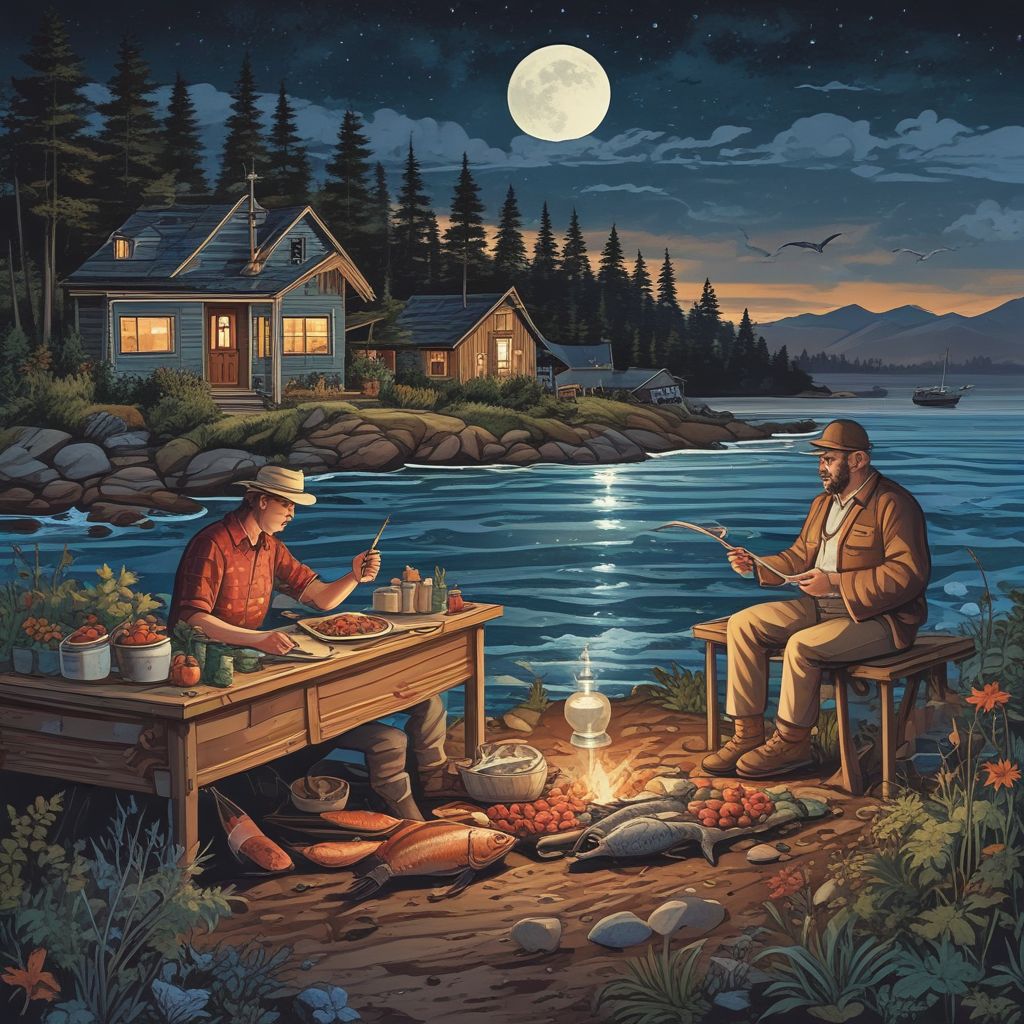
Think of a Midnight Forage pop-up dinner as a mobile community dinner staged where the coast, woods, and fields meet: fishermen unload their catch, foragers return with intertidal finds and wild greens, and farmers bring late-season roots or microgreens. Chefs—or community cooks—compose a menu that changes by the hour and the tide, inviting guests to taste hyperlocal ingredients alongside the stories and techniques that produced them.
Where to find these coastal pop-ups
These events are intentionally small and fleeting, so finding them requires being plugged into local networks more than mainstream ticket platforms. Look in these places:
- Social media collectives: Instagram and TikTok accounts run by regional foragers, fishers, and chefs will often post short notice events—follow hashtags like #MidnightForage, #CoastalPopUp, and region-specific tags.
- Community listservs and newsletters: Local fisheries co-ops, agricultural extension offices, and farmers’ markets maintain email lists that announce pop-up dinners and community feasts.
- Small publications and radio: Coastal weeklies, local NPR affiliates, and community radio often cover grassroots food events and will post links or calendar notices.
- Market and dock noticeboards: Physical flyers at the harbor, fish markets, co-ops, and farm stands are still one of the most reliable ways to learn about last-minute community dinners.
- Word of mouth: Talk to fishermen, market vendors, and trail stewards—many events begin as conversations and fill by reputation.
Planning your road trip: timing, seasonality, and RSVP
Seasonality rules these dinners: shellfish tides, seasonal fish runs, and mushroom windows determine the menu. Check tide charts and local harvest calendars when planning, and expect short RSVP windows.
- Confirm logistics: Pop-ups may be at a remote beach, a reclaimed warehouse, or a farmer’s field—get exact directions and parking advice.
- Bring cash and contact info: Some community dinners ask for sliding-scale donations, and cellular service can be spotty at the coast.
- Book nearby lodging early: Small B&Bs sell out fast on festival nights—camping may be an option but confirm with hosts.
Packing checklist for a Midnight Forage road trip
- Headlamp and spare batteries (hands-free light for beach walks)
- Layered, weatherproof clothing and sturdy shoes
- Reusable plate/cup/cutlery if requested by organizers
- Small notebook or phone for taking notes and stories
- Basic first-aid, allergy meds (and any dietary cards for hosts)
At the dinner: etiquette and how to listen
Pop-up dinners are as much about people as food. Arrive on time, respect the hosts’ needs (helping with clearing or washing a few dishes is often welcome), and keep photography unobtrusive—ask before recording someone’s story. When fishermen, foragers, and farmers speak, give them space to explain their work and its seasonal constraints: this is the unique value of the Midnight Forage experience.
Pairing drinks and interpreting hyperlocal menus
Menus at these dinners are built from what’s available, so pairings are about complement and contrast rather than rigid rules. Light-bodied natural wines, crisp local ciders, and session beers often pair well with briny, foraged flavors. For non-drinkers, ask the host about house-made shrub tonics, kelp-infused sparkling water, or herbal teas made from local herbs.
Safety, sustainability, and respectful foraging
These feasts are rooted in stewardship. Hosts commonly emphasize sustainable harvest practices, and guests should too.
- Foraging safety: Never consume wild food unless a qualified forager or host confirms its identity; many edible species have toxic lookalikes.
- Respect quotas and seasons: Take only what the host has sanctioned—overharvesting risks local access and species health.
- Leave no trace: Pack out trash, follow designated paths, and be mindful of fragile dune and intertidal ecosystems.
How to make the most of the stories
Midnight Forage dinners are oral history sessions disguised as meals. Ask gentle, open-ended questions: “How did you learn that harvest?” or “What changes have you seen in the bay?” Reward vulnerability with gratitude and, if appropriate, a small tip or purchase of the fisher’s or farmer’s goods after the dinner.
Sample one-night itinerary
- Afternoon: Drive to coastal town, stop at the farmers’ market and the fishmonger to meet vendors.
- Late afternoon: Short guided foraging walk or a dock visit—collect smells, sights, and context for the evening meal.
- Early evening: Check into nearby lodging or set up camp; freshen up and review the tide chart.
- Night: Arrive at the pop-up, meet the hosts, listen to harvest stories, and savor the multi-course meal.
- Next morning: Optional low-tide beach walk or sunrise fish market visit to close the loop.
Tips for hosts and guests
- Hosts: Publish a short code of conduct, accessibility notes, and an ingredient provenance list to enrich the guest experience.
- Guests: Offer to help, buy produce from the farmers, and follow up with a note of thanks—community dinners thrive on relationships.
Midnight Forage pop-up dinners are more than a meal—they’re a method of connecting palate to place, of keeping harvest knowledge alive, and of celebrating the people who steward our shores and fields. Going to one is like stepping into a living map of the coast, where each course is a new waypoint.
Ready to chase the next coastal feast? Pack your headlamp, follow local harvest newsletters, and let the tide be your timetable.