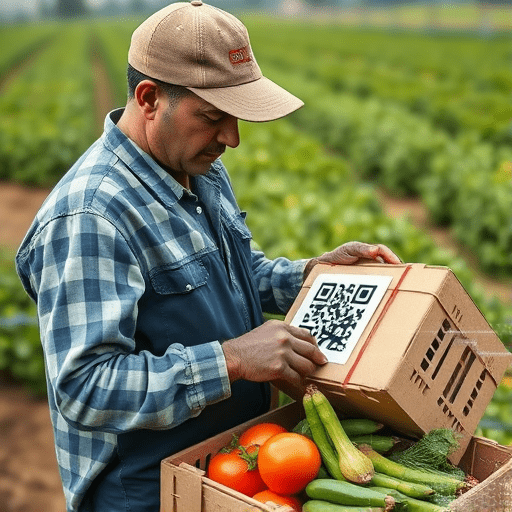
Micropayment Markets for Rewilding are an emerging financial model that use satellite‑tracked biodiversity credits and real‑time microtransactions to reward landowners for measurable restoration outcomes. By combining high-resolution remote sensing, robust biodiversity metrics, and instant payment rails, these markets aim to make conservation economically attractive to millions of private land stewards worldwide.
Why a new market is needed
Traditional conservation finance—grants, long-term carbon deals, and episodic donations—often fails to reach small private landowners or to reward incremental improvements. Micropayment markets bridge that gap by enabling frequent, transparent, and low‑friction payments for small, verifiable actions (e.g., native tree regeneration, returning pollinator habitat, removing fences). The result: local incentives align with global biodiversity goals.
How it works: the tech and the flows
1. Satellite and sensor verification
Satellites and increasingly low‑cost drones provide continuous observation of land cover, vegetation structure and, in some cases, proxies for wildlife activity (e.g., watering hole use, canopy complexity). Machine learning models translate imagery into biodiversity indicators—such as native species canopy cover, structural diversity, or habitat connectivity—which feed into credit issuance.
2. Biodiversity credits that are data‑driven
Instead of a single, long‑term offset contract, biodiversity credits in this market are issued in small, time‑bound units tied to specific metrics and geolocation. Credits reflect measurable change (additionality), are time stamped, and carry provenance so buyers can see what they’re funding: a hectare of restored meadow, a seasonal wetland returning, or the return of a nesting corridor.
3. Real‑time microtransactions
Once a credit is minted, micropayment systems—using traditional rails (ACH, SEPA), mobile money, or programmable payment networks—can move tiny amounts (cents to dollars) instantly to the landowner’s account or a community fund. Smart contracts enable conditional payouts (e.g., ongoing maintenance), while APIs connect monitoring platforms to payment gateways so verification and payment become near‑instant.
Key benefits for stakeholders
- Landowners: Immediate, predictable income streams for stewardship, low administrative burden, and transparent evidence of outcomes to support grant or tax claims.
- Buyers (individuals, companies): Direct connection to place-based outcomes, granular impact tracking, and the ability to support projects with small, recurrent payments.
- Conservation organizations: Scalable funding channels, improved monitoring data, and options to combine micropayments with larger restoration grants strategically.
Designing credible biodiversity credits
Robust credits require careful design to avoid greenwashing. Effective systems incorporate:
- Clear metrics: Habitat structure, species presence/absence (where possible), seasonality, and connectivity indices.
- Baseline and additionality: Rigorous baselines and counterfactuals to show change is due to interventions.
- Independence and auditability: Third‑party audits using open algorithms and raw imagery to allow independent verification.
- Time‑limited claims: Credits tied to monitored periods so outcomes are tracked long term and can be revoked or adjusted if necessary.
A concrete example: a 12‑month microcredit flow
Imagine a 50‑hectare private farm in a temperate region enrolled in a rewilding program. Year one activities include removing invasive shrubs from 5 hectares and seeding native wildflowers along riparian strips. Satellite and drone imagery detect increased native ground cover and improved canopy heterogeneity. The verification system issues 500 micro‑credits (each representing one month of measurable habitat gain over 1 hectare). Donors and corporate buyers purchase credits at $2 each. As credits are accepted, the landowner receives real‑time micropayments directly to their mobile wallet—small, frequent deposits that total a meaningful supplement to farm income while the habitat recovers.
Market mechanisms and pricing models
Several approaches can make pricing transparent and fair:
- Per‑metric pricing: Payments per unit of measurable improvement (e.g., $/ha of native cover gain).
- Subscription support: Monthly micro‑donations pooled into ongoing stewardship payments.
- Dynamic premiums: Higher prices for rare habitat types or projects with co‑benefits (carbon sequestration, flood mitigation, cultural site protection).
Governance, risks and safeguards
To prevent fraud and perverse incentives, platforms must combine algorithmic detection with on‑the‑ground sampling and community reporting. Key safeguards include:
- Transparent provenance and versioned imagery archives
- Penalty clauses for intentional manipulation of indicators
- Local stakeholder representation in credit design
- Insurance or buffer pools to manage verification uncertainty
Scaling: policy and partnerships
National policies that recognize micro‑credits for tax incentives, agroecological subsidies, or as part of stewardship schemes will accelerate uptake. Partnerships between satellite data providers, payment processors, conservation NGOs, and local cooperatives ensure the technical, financial, and social systems align. Importantly, standards bodies and open data approaches will help create interoperable credits that buyers trust globally.
Practical tips for landowners
- Start with a clear map of the property and identify priority areas for simple interventions (e.g., fencing, native seeding).
- Document practices and keep photos or on‑site logs to supplement remote sensing evidence.
- Join community pilot programs that provide technical support and reduce upfront costs.
- Ask platforms about payout frequency, fees, and dispute resolution before enrolling.
Micropayment Markets for Rewilding unlock a new relationship between place and purchaser, turning small behavior changes on private land into verifiable global outcomes—paid in near real time.
Conclusion: Deploying satellite‑tracked biodiversity credits with real‑time microtransactions creates scalable, transparent incentives that empower private landowners to become active agents of rewilding while giving buyers measurable impact for small, repeatable contributions.
Take action: Explore local pilots or sign up with a vetted platform to start earning for measurable rewilding outcomes today.